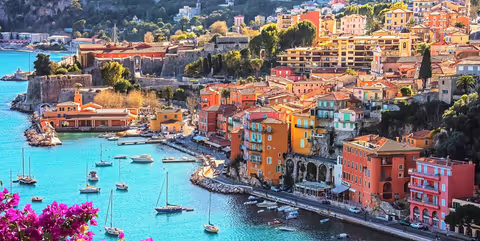
European Travel Destinations: Complete Guide to Travel Styles, Places, Planning Tips, Facts, and Best Practices
Europe is known for its historic cities, coastal landscapes, mountain regions, cultural traditions, and varied travel experiences. From the canals of Venice and the streets of Paris to the alpine scenery of Switzerland and the beaches of Greece, the continent offers destinations suited to different interests and travel styles.
European travel destinations attract visitors interested in architecture, museums, food, nature, outdoor activities, shopping districts, and peaceful countryside. Travelers can explore several countries during one journey or spend more time discovering a single region.
This guide explains popular European holiday destinations, luxury European destinations, places for couples and families, European beach destinations, mountain regions, and practical planning advice.
1. Overview of European Travel Destinations
Europe includes countries with distinct languages, landscapes, traditions, and transportation systems. Many destinations are connected by rail, road, and short flights, making regional travel convenient when planned carefully.
Popular European Countries
France: Known for Paris, the French Riviera, historic villages, vineyards, and alpine scenery.
Italy: Famous for Rome, Florence, Venice, Tuscany, the Amalfi Coast, and the Dolomites.
Spain: Offers Barcelona, Madrid, Andalusia, Mediterranean beaches, and island destinations.
Switzerland: Recognized for mountain landscapes, lakes, scenic rail journeys, and outdoor recreation.
Greece: Known for ancient landmarks, island villages, beaches, and Mediterranean culture.
Austria: Features Vienna, Salzburg, alpine towns, and winter recreation.
Portugal: Offers Lisbon, Porto, coastal towns, and Atlantic beaches.
Germany: Includes historic cities, castles, forests, and cultural attractions.
Croatia: Known for Adriatic coastal towns, islands, and historic waterfront areas.
Netherlands: Popular for Amsterdam, canals, cycling routes, and seasonal flower fields.
2. Types of European Holiday Destinations
European holiday destinations can be grouped according to the experience travelers want.
Cultural and Historical Destinations
European historic city architecture Rome Florence Paris old town travel.
Cities such as Rome, Athens, Prague, Vienna, and Paris are known for historical landmarks, museums, galleries, and traditional architecture.
Travelers can explore ancient ruins, royal palaces, cathedrals, old town districts, and local cultural events.
Coastal and Beach Destinations
European Mediterranean beach destination Greece Croatia Portugal coast.
Coastal areas in Greece, Spain, Portugal, Italy, Croatia, and France offer sandy beaches, rocky coves, seaside promenades, and water-based activities.
Popular coastal regions include the Algarve, the French Riviera, the Amalfi Coast, the Dalmatian Coast, and the Greek islands.
Mountain and Nature Destinations
European Alps Switzerland Austria mountain lakes hiking landscape.
Mountain regions provide opportunities for hiking, scenic rail journeys, photography, skiing, and nature exploration.
The Alps extend across several European countries, including Switzerland, France, Italy, Austria, and Germany.
City Break Destinations
A city break is a short visit focused on one urban destination. Paris, Amsterdam, Barcelona, Budapest, and Copenhagen are popular choices for architecture, museums, food, and local neighborhoods.
3. Luxury European Destinations
Luxury European destinations combine distinctive scenery, refined accommodation, cultural experiences, and comfortable travel arrangements.
French Riviera, France
The French Riviera is known for Mediterranean coastlines, historic seaside towns, waterfront promenades, and elegant architecture. Nice, Cannes, and Saint-Tropez are among its well-known locations.
Lake Como, Italy
Lake Como features lakeside villages, mountain views, gardens, and historic villas. Visitors can explore towns such as Bellagio, Varenna, and Como by road or ferry.
Santorini, Greece
Santorini is recognized for whitewashed buildings, volcanic landscapes, sea views, and sunset scenery. It is frequently considered for romantic holidays and scenic stays.
Zermatt, Switzerland
Zermatt is a mountain destination with views of the Matterhorn, walking routes, alpine scenery, and winter sports. The village has a largely car-free center.
Vienna, Austria
Vienna offers historic palaces, classical music venues, museums, elegant cafés, and well-preserved architecture. It is suitable for travelers interested in culture and comfortable city exploration.
4. European Destinations for Couples
European destinations for couples often include scenic towns, coastal locations, cultural cities, and peaceful countryside.
Venice, Italy
Venice is known for its canals, bridges, historic buildings, and boat journeys. Couples can explore quieter neighborhoods, local markets, and waterfront areas.
Paris, France
Paris features museums, gardens, cafés, river walks, and famous landmarks. Visitors can explore the city on foot or by public transportation.
Bruges, Belgium
Bruges is a historic city with canals, cobbled streets, medieval architecture, and compact walking routes. It is suitable for a short romantic visit.
Madeira, Portugal
Madeira offers ocean viewpoints, botanical gardens, walking trails, and dramatic coastal scenery. The island is particularly appealing to couples who enjoy nature.
5. European Destinations for Families
European destinations for families should be selected according to children’s ages, travel duration, accessibility, and preferred activities.
Copenhagen, Denmark
Copenhagen offers parks, museums, cycling routes, and family attractions. Its public transportation network makes it relatively easy to explore different areas.
Barcelona, Spain
Barcelona combines beaches, architecture, parks, and interactive cultural attractions. Families can divide their time between city sightseeing and seaside activities.
London, United Kingdom
London has museums, historic landmarks, gardens, theaters, and family-oriented attractions. Many museums have areas suitable for younger visitors.
Salzburg, Austria
Salzburg features historic streets, mountain views, gardens, and nearby lakes. It can be a useful base for exploring the surrounding countryside.
6. European Beach Destinations
European beach destinations Algarve Portugal Greek island turquoise water coast.
European beach destinations vary from sandy Mediterranean shores to rugged Atlantic coastlines.
Algarve, Portugal
The Algarve is known for golden beaches, cliffs, coastal walking routes, and seaside towns. Lagos, Faro, and Albufeira are commonly visited locations.
Greek Islands
Islands such as Crete, Rhodes, Corfu, and Naxos offer beaches, traditional villages, historic sites, and regional cuisine.
Costa Brava, Spain
Costa Brava features rocky coves, beaches, fishing villages, and coastal trails in northeastern Spain.
Dalmatian Coast, Croatia
The Dalmatian Coast includes historic waterfront towns, islands, clear Adriatic waters, and scenic boat routes.
Best Season for Beach Travel
Late spring and early autumn often provide pleasant temperatures and fewer crowds than peak summer. July and August are typically busy in many Mediterranean areas, so advance planning is helpful.
7. European Mountain Destinations
European mountain destinations Dolomites Alps Swiss mountain village scenic landscape.
Mountain regions are suitable for travelers interested in fresh air, outdoor recreation, photography, and scenic landscapes.
Swiss Alps
The Swiss Alps include destinations such as Interlaken, Grindelwald, Zermatt, and Lucerne. Activities may include hiking, mountain rail journeys, lake visits, and winter sports.
Dolomites, Italy
The Dolomites are known for dramatic rock formations, alpine meadows, mountain lakes, and walking routes. They are especially popular during summer and early autumn.
Austrian Alps
Austria’s alpine regions include Innsbruck, Tyrol, and Zell am See. Visitors can explore mountain villages, lakes, hiking trails, and winter recreation areas.
French Alps
The French Alps include Chamonix, Annecy, and several mountain resort areas. The region is known for alpine scenery, outdoor activities, and access to Mont Blanc views.
8. Planning a European Trip
Good planning helps travelers manage time, transportation, accommodation, and seasonal conditions.
Choose a Travel Route
Avoid covering too many countries in a short period. A trip of 10 to 14 days may be better organized around two or three nearby countries rather than a long list of distant locations.
Example route:
Paris, France
Brussels, Belgium
Amsterdam, Netherlands
Another route:
Rome, Italy
Florence, Italy
Venice, Italy
Consider Transportation
European transportation options include:
High-speed and regional trains
Local buses and trams
Metro systems
Ferries between islands and coastal towns
Domestic and regional flights
Rental vehicles in rural areas
Rail travel can be convenient between major cities, while a rental vehicle may be useful for exploring remote villages or mountain areas.
Select Accommodation Areas
Choose accommodation near public transportation or within a walkable district. In historic centers, check whether streets are accessible by vehicle and whether luggage transfer may be needed.
Prepare Travel Documents
Travelers should check passport validity, visa requirements, travel insurance, and entry conditions before departure. Requirements depend on nationality, destination, and trip duration.
9. Facts and Travel Tips
Europe has a wide range of climates, from Mediterranean regions to northern and alpine areas.
The euro is used by many European countries, but not all countries use it.
The Schengen Area includes many European countries and has shared rules for short-stay travel, but it is not identical to the European Union.
Some destinations become significantly busier during summer holidays and major festivals.
Mountain weather can change quickly, even during warmer months.
Local public transportation passes may help simplify city travel.
Many museums and historic attractions require advance timed-entry reservations during busy periods.
Travelers should check local customs, opening days, and public holiday schedules.
10. Recent Travel Trends and Updates
European travel patterns continue to evolve as destinations respond to visitor demand, environmental concerns, and changing transportation options.
Sustainable Travel
Rail journeys, walking routes, cycling, and longer stays in fewer destinations are increasingly considered by travelers seeking to reduce unnecessary transfers.
Regional and Lesser-Known Destinations
Travelers are showing interest in smaller towns, countryside locations, and less crowded regions alongside famous cities.
Digital Travel Planning
Mobile maps, digital tickets, translation tools, and itinerary applications help travelers organize transportation and daily activities.
Seasonal Travel
Spring and autumn travel can provide moderate temperatures and a different atmosphere from peak summer. Winter trips are popular in alpine regions and cities with seasonal cultural events.
11. Laws and Policies for European Travel
Travel rules vary by country and by traveler nationality. Before departure, confirm the latest requirements through official government or destination sources.
Schengen Travel
Many European countries participate in the Schengen Area. Short-stay visitors generally follow the applicable 90-days-in-any-180-day-period rule, subject to nationality and visa status.
A Schengen visa, when required, does not automatically provide entry to every European country outside the Schengen Area.
Passport and Entry Requirements
Travelers should verify passport validity, visa conditions, permitted stay duration, and any required supporting documents.
Local Regulations
Some cities regulate short-term accommodation, tourist activities, vehicle access, or visitor behavior in specific areas. Follow local instructions at historic sites, protected natural areas, and public spaces.
12. Tools and Resources for Travel Planning
Useful planning resources include:
Official national tourism websites
Official railway and public transportation websites
Airport and ferry operator information
Digital maps and navigation applications
Weather forecast applications
Currency conversion tools
Language translation applications
Museum and attraction booking platforms
Travel insurance information
Government visa and passport guidance
Use official sources for entry rules, transportation schedules, and important travel requirements.
13. Frequently Asked Questions
What are the most popular European travel destinations?
Paris, Rome, Barcelona, Amsterdam, Venice, Prague, Vienna, and Switzerland’s alpine regions are among the widely visited destinations.
Which European destinations are suitable for couples?
Paris, Venice, Santorini, Bruges, Lake Como, and Madeira are popular choices for romantic scenery and cultural experiences.
Which European destinations are suitable for families?
Copenhagen, London, Barcelona, Salzburg, and several Swiss cities offer a mix of cultural attractions, parks, transportation, and outdoor activities.
What are some popular European beach destinations?
The Algarve, Greek islands, French Riviera, Costa Brava, and Dalmatian Coast are well-known coastal regions.
When is the best time to visit Europe?
Late spring and early autumn are suitable for many destinations because temperatures are often moderate. Summer is popular for beaches, while winter is suitable for alpine activities and seasonal city visits.
Conclusion
European travel destinations offer a wide range of experiences, including historic cities, luxury locations, romantic towns, family-friendly attractions, beaches, and mountain landscapes. Travelers can choose a destination according to their interests, preferred season, trip duration, and transportation needs.
A well-planned European holiday balances sightseeing with time to explore local culture and surroundings. Checking entry requirements, transportation schedules, seasonal conditions, and local regulations before departure can help create a smoother and more enjoyable journey.
Disclaimer: Travel conditions, entry rules, transportation schedules, and local regulations may change. Confirm current requirements with official authorities before making travel arrangements.

Related Post...

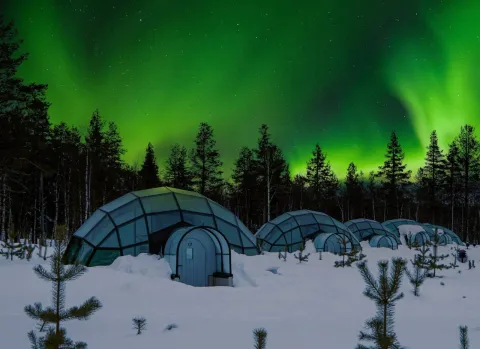
Glass Igloo Hotels: Complete Guide to Types, Designs, Experiences, Facts, and Best Practices
Updated: November 25, 2026
Read More