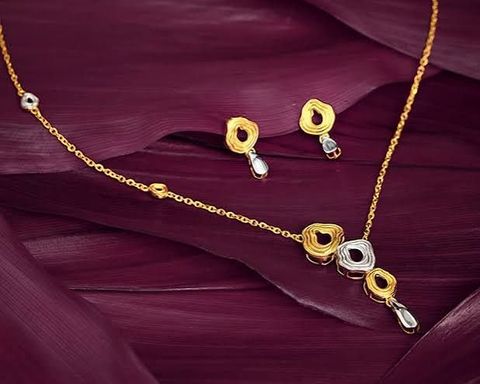
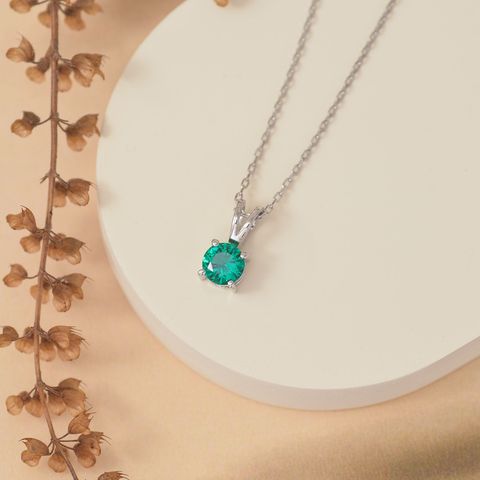
Meenakari Jewellery Designs: Explore Styles, Trends, Insights, Suggestions, and Useful Resources
Meenakari is a traditional decorative technique in which colored enamel is applied to the surface of jewellery, usually over a metal base such as gold or silver. The technique creates colorful patterns and can combine floral, geometric, nature-inspired, and traditional Indian motifs.
Meenakari jewellery designs are particularly associated with Indian jewellery traditions and are commonly seen in necklaces, earrings, bangles, pendants, rings, bracelets, and bridal ornaments.
The technique involves several stages. A craftsman prepares the metal surface, creates or engraves the required design, applies enamel colors, and uses controlled heating to fuse the enamel to the metal. Repeated preparation and firing may be necessary for pieces containing multiple colors.
The final appearance depends on the metal, enamel formulation, craftsmanship, design complexity, and finishing technique.
Meenakari can appear as the main decorative element or as a complementary detail alongside gemstones, pearls, kundan work, polki-style settings, or plain metal surfaces.
Why Meenakari Jewellery Remains Important
Meenakari combines decorative color with traditional craftsmanship. It can provide a distinctive visual character without relying entirely on gemstones.
The technique is relevant to:
Traditional Indian jewellery
Bridal jewellery
Festive accessories
Heritage-inspired designs
Contemporary fashion jewellery
Craft education
Jewellery design studies
Cultural and artisanal traditions
The continuing interest in traditional Meenakari jewellery designs also reflects the broader relationship between Indian jewellery and regional craftsmanship.
At the same time, designers have adapted the technique for contemporary preferences. Modern Meenakari jewellery designs may use simpler patterns, smaller motifs, geometric forms, pastel colors, or combinations of enamel with contemporary metal shapes.
Traditional and Modern Meenakari Designs
Traditional designs often contain recognizable Indian decorative elements.
Common motifs include:
Flowers
Leaves
Birds
Peacocks
Vines
Geometric borders
Traditional paisley forms
Symmetrical patterns
Nature-inspired compositions
Modern designs may simplify these elements or use them selectively.
| Design Approach | Common Characteristics | Typical Use |
|---|---|---|
| Traditional Meenakari | Detailed motifs and vibrant colors | Festivals and cultural occasions |
| Contemporary Meenakari | Simplified patterns | Everyday or modern styling |
| Bridal Meenakari | Elaborate patterns and multiple colors | Weddings |
| Minimal Meenakari | Small enamel details | Lightweight jewellery |
| Heritage-inspired | Regional motifs and craftsmanship | Traditional events |
| Fusion designs | Enamel with gemstones or modern forms | Contemporary occasions |
The distinction is not absolute. Many jewellery pieces combine traditional techniques with modern shapes.
Latest Meenakari Jewellery Designs and Current Trends
The latest Meenakari jewellery designs increasingly combine heritage techniques with lighter and more versatile formats.
Current design directions include:
Smaller pendant sets
Color-coordinated earrings
Minimal enamel accents
Pastel enamel palettes
Floral motifs
Geometric patterns
Multicolor enamel combinations
Enamel paired with pearls
Enamel combined with gemstones
Contemporary statement earrings
Another noticeable design direction is versatility. Instead of creating jewellery exclusively for weddings, designers can adapt Meenakari elements for festive gatherings, cultural celebrations, formal occasions, and occasional everyday wear.
The use of color also makes Meenakari particularly adaptable. Blue, green, red, pink, white, and turquoise-inspired shades can create very different visual effects within the same basic technique.
Bridal Meenakari Jewellery
Bridal Meenakari jewellery generally uses more elaborate designs than lightweight everyday pieces.
A bridal set may contain:
Necklace
Earrings
Maang tikka
Pendant
Bangles
Bracelet
Nath
Waist ornament
Matching accessories
Bridal designs may combine Meenakari with kundan, polki-style settings, pearls, gemstones, or detailed gold work.
The choice of colors often depends on the bridal outfit. Red and green combinations are strongly associated with traditional Indian aesthetics, while pink, blue, white, and pastel combinations can create a more contemporary appearance.
For bridal jewellery, coordination is important. The necklace, earrings, head ornament, and other pieces do not necessarily need to be identical, but repeating colors and motifs can create a more unified appearance.
Meenakari Necklace Designs
Meenakari necklace designs range from small pendants to elaborate layered bridal necklaces.
Common formats include:
Short necklaces
Long necklaces
Choker-style necklaces
Pendant necklaces
Layered necklaces
Collar-style pieces
Traditional bridal sets
A necklace can display enamel on the front surface or use Meenakari detailing on the reverse side of a gold ornament.
When evaluating a necklace, it is useful to look at:
Enamel coverage
Color consistency
Symmetry
Metal finish
Stone settings
Clasp construction
Overall weight
Design proportions
A larger necklace is not necessarily more visually effective. Proportion between the necklace, neckline, outfit, and other jewellery can have a greater influence on the overall appearance.
Meenakari Earrings Designs
Meenakari earrings designs offer particularly broad design possibilities because earrings can range from very small pieces to elaborate traditional ornaments.
Popular formats include:
Stud earrings
Jhumka-inspired earrings
Drop earrings
Chandbali-inspired forms
Hoop earrings
Long festive earrings
Floral earrings
Peacock-inspired designs
Small Meenakari earrings can use a single enamel color, while larger pieces can contain several shades arranged in separate sections.
When selecting an earring design, consider its weight, fastening mechanism, length, and relationship to the hairstyle and neckline.
How Meenakari Craftsmanship Works
Although methods differ between workshops and regions, a simplified Meenakari process can be represented as:
Metal preparation → Design creation → Enamel application → Firing → Cooling → Surface finishing → Inspection
The enamel is applied to prepared areas of the metal and heated so that it fuses with the surface.
Several colors may require separate applications and firing stages because different enamel compositions can respond differently to heat.
Craftsmanship therefore involves both artistic judgment and technical control.
The final piece can be affected by:
Metal preparation
Enamel quality
Color formulation
Application thickness
Firing temperature
Number of firing cycles
Surface finishing
Design complexity
This is why two jewellery pieces with similar patterns can have visibly different finishes.
Choosing Colors and Motifs
Meenakari is especially useful when color coordination is important.
A simple design-planning table can help:
| Color Direction | Visual Character | Common Pairing |
|---|---|---|
| Red | Traditional and vibrant | Gold and green |
| Green | Heritage-inspired | Red, gold and white |
| Blue | Cool and distinctive | Gold and white |
| Pink | Soft and contemporary | Gold and white |
| White | Clean and subtle | Multicolor enamel |
| Multicolor | Decorative and festive | Traditional outfits |
Color selection can be based on clothing, occasion, personal preference, or the desired level of contrast.
Care and Maintenance
Enamel can be durable, but jewellery containing enamel should still be handled carefully.
Recommended practices include:
Store pieces separately to prevent scratching.
Avoid dropping jewellery onto hard surfaces.
Keep enamel away from unnecessary impacts.
Avoid exposing jewellery to harsh household chemicals.
Remove jewellery before activities involving water or chemicals.
Keep pieces dry before storage.
Use a soft, appropriate cloth for gentle cleaning.
Follow the manufacturer's care instructions.
Have damaged enamel inspected by a qualified jewellery professional.
Strong impacts can chip or crack enamel, particularly around exposed edges.
The correct cleaning method can also depend on the underlying metal and gemstones. A single cleaning method should therefore not automatically be applied to every jewellery piece.
Understanding Gold Hallmarking in Meenakari Jewellery
When Meenakari is applied to gold jewellery, the underlying precious-metal content is an important consideration.
The Bureau of Indian Standards states that gold and silver are currently covered under India's hallmarking system. BIS identifies permitted gold fineness grades including 14K, 18K, 20K, 22K, 23K, and 24KS.
Since July 2021, the hallmark on gold jewellery includes three components: the BIS Standard Mark, purity in caratage and fineness, and a six-digit alphanumeric Hallmark Unique Identification (HUID) number. Consumers can use the BIS Care App's Verify HUID feature to check HUID information.
This is relevant when researching Meenakari jewellery designs made using gold. The decorative enamel itself does not replace the need to understand the metal's applicable purity and hallmarking requirements.
BIS also advises consumers to retain an authentic invoice for hallmarked jewellery and states that details of hallmarked articles should be included in the invoice.
Recent Hallmarking Developments in India
India's hallmarking framework has continued to evolve.
On 31 July 2025, the Department of Consumer Affairs issued the Hallmarking of Gold Jewellery and Gold Artefacts (Amendment) Order, 2025, updating the annexure of districts covered by mandatory hallmarking.
BIS reported that the fourth phase of mandatory hallmarking brought the total number of covered districts to 361 in 2024.
For consumers researching gold-based Meenakari jewellery, the practical lesson is straightforward: check the current hallmarking requirements applicable to the jewellery and location rather than relying on older information.
Laws, Standards, and Consumer Resources
The main regulatory consideration for gold Meenakari jewellery is the applicable hallmarking framework.
BIS explains that hallmarking is intended to provide third-party assurance concerning the purity or fineness of precious-metal articles.
Useful checks include:
BIS Standard Mark
Caratage and fineness
Six-digit HUID
Authentic invoice
Registered-jeweller information where applicable
HUID verification through BIS Care
BIS also provides consumer information concerning testing of hallmarked and unhallmarked jewellery through recognized Assaying and Hallmarking Centres.
For pieces made from other metals, silver, or mixed materials, the applicable standards and labeling requirements can differ. Consumers should therefore identify the actual metal composition before interpreting hallmark information.
Useful Tools and Resources
Several resources can help when researching Meenakari jewellery.
BIS Hallmarking Information: Useful for understanding Indian hallmarking requirements, permitted fineness grades, HUID, and consumer guidance.
BIS Care App: The Verify HUID feature can be used to check information associated with a hallmarked gold jewellery item's HUID.
Jewellery design reference sheet: Create a simple table comparing necklace length, earring shape, enamel colors, motifs, and intended occasion.
Jewellery care checklist: Record the metal type, enamel characteristics, gemstones, recommended cleaning method, and storage instructions.
Occasion planner: Match traditional, bridal, festive, and modern designs with clothing colors and event requirements.
Practical Checklist for Meenakari Jewellery
Before selecting or researching a Meenakari piece, consider:
Identify whether the base is gold, silver, or another metal.
Examine the enamel for consistent application.
Look for chips, cracks, or visible gaps.
Check the symmetry of repeated motifs.
Consider the weight and dimensions.
Examine clasps and other fastening components.
Match colors with the intended outfit.
Verify applicable hallmarking information for precious-metal jewellery.
Keep the invoice and product documentation.
Follow appropriate care instructions.
These checks are useful for both traditional and modern Meenakari jewellery designs.
Frequently Asked Questions
What is Meenakari jewellery?
Meenakari jewellery uses colored enamel decoration on a metal surface. The technique can produce floral, geometric, nature-inspired, and traditional patterns in a wide range of colors.
What are popular Meenakari jewellery designs?
Popular formats include necklaces, earrings, bangles, pendants, rings, jhumka-inspired earrings, bridal sets, floral designs, peacock motifs, and contemporary geometric patterns.
What is the difference between traditional and modern Meenakari jewellery?
Traditional designs generally emphasize detailed Indian motifs and vibrant color combinations. Modern designs may simplify those motifs, use lighter forms, introduce pastel colors, or combine enamel with contemporary jewellery shapes.
Can Meenakari jewellery be used for weddings?
Yes. Bridal Meenakari jewellery can include elaborate necklaces, earrings, bangles, head ornaments, and coordinated sets. The design can be selected according to the bridal outfit, ceremony, and preferred color palette.
How can gold Meenakari jewellery be checked for hallmark information?
For applicable hallmarked gold jewellery, consumers can look for the BIS Standard Mark, purity/fineness marking, and six-digit HUID. The HUID can be checked using the Verify HUID feature in the BIS Care App.
Conclusion
Meenakari jewellery combines metal craftsmanship with colorful enamel decoration and remains an important part of India's jewellery traditions. Its design possibilities range from detailed heritage pieces to lightweight contemporary ornaments.
Traditional Meenakari jewellery designs often emphasize floral, animal, geometric, and regional motifs, while modern Meenakari jewellery designs can use simplified forms, lighter structures, and contemporary color combinations.
Meenakari necklace designs and Meenakari earrings designs remain versatile formats, while bridal collections can combine enamel with other traditional jewellery techniques.
For gold jewellery, understanding hallmarking is also important. BIS provides information on purity, fineness, HUID verification, and consumer safeguards, with the hallmarking framework continuing to develop through recent amendments.
Disclaimer
This article is provided for general informational and educational purposes only. It does not constitute jewellery, financial, legal, valuation, or professional advice. No specific product, jewellery designer, manufacturer, retailer, or brand is being recommended, endorsed, sold, or promoted. The information presented is not a claim about the quality, authenticity, durability, or suitability of any particular jewellery item. Rules, standards, and regulations may change, so readers should consult current official sources or qualified professionals when specific verification or regulatory guidance is required.

Related Post...
Silver Chains for Women: Explore Styles, Trends, Insights, Suggestions, and Useful Resources
Updated: November 03, 2026
Read More
Kundan Jewellery Designs: Explore Styles, Trends, Insights, Suggestions, and Useful Resources
Updated: November 02, 2026
Read More
Mangalsutra Designs: Explore Styles, Trends, Insights, Suggestions, and Useful Resources
Updated: November 02, 2026
Read More