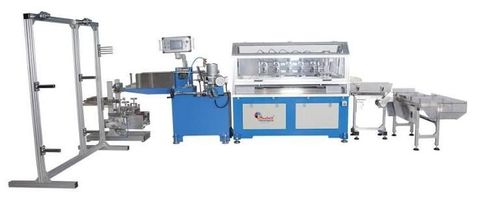
Potato Chips Making Machines: Complete Guide to Basics, Technologies, Processes, Facts, and Best Practices
Potato chips making machines are used to transform fresh potatoes into thin, crispy slices through a sequence of operations such as washing, peeling, slicing, rinsing, frying, seasoning, cooling, and packaging. These machines are used in small production units as well as large food-processing facilities. Depending on production requirements, equipment may operate individually or as part of an integrated automatic production line.
A modern potato chips manufacturing setup combines mechanical handling, controlled heating, oil filtration, temperature monitoring, and packaging technology. Understanding each machine, its function, and the complete production process helps manufacturers plan efficient operations while maintaining consistent product quality and food safety.
What Are Potato Chips Making Machines?
A potato chips making machine is equipment designed to process potatoes into finished chips. Some machines perform a single operation, while integrated systems handle several stages automatically.
A basic setup may include:
Potato washing and cleaning machine
Potato peeling machine
Potato slicing machine for chips
Slice rinsing and dewatering equipment
Continuous or batch frying machine
Oil filtration system
Seasoning and mixing machine
Cooling conveyor
Weighing and packaging equipment
An automatic potato chips making machine line can connect these operations through conveyors and control panels. This reduces repeated manual handling and helps maintain consistent processing conditions.
Importance of Potato Chips Manufacturing Equipment
Potato chips production involves several operations that require controlled handling. Suitable machinery helps maintain uniform slice thickness, frying conditions, seasoning distribution, and packaging quality.
Important benefits include:
Consistent slicing: Produces slices with more uniform thickness.
Production efficiency: Supports continuous or repeatable processing.
Process control: Helps regulate frying temperature, conveyor speed, and other operating parameters.
Product consistency: Reduces variation in colour, texture, and crispness.
Improved hygiene: Food-grade contact surfaces and cleanable equipment support sanitary processing.
Reduced material handling: Integrated production lines can move potatoes between stages with less manual intervention.
Production flexibility: Different configurations can accommodate different batch sizes and product styles.
The suitability of a machine depends on the intended output, potato variety, available floor space, utilities, and product specifications.
Types of Potato Chips Making Machines
Potato chips manufacturing equipment is available in different configurations. Each machine performs a particular task in the production line.
Machine type | Main function |
|---|---|
Potato washing machine | Removes soil and surface impurities |
Potato peeling machine | Removes potato skin |
Potato slicing machine | Cuts potatoes into thin slices |
Slice rinsing machine | Removes excess surface starch |
Dewatering machine | Removes water from washed slices |
Potato chips frying machine | Fries slices in controlled hot oil |
Oil filtration equipment | Removes suspended food particles from oil |
Seasoning machine | Distributes flavours over finished chips |
Cooling conveyor | Cools chips before packaging |
Packaging machine | Weighs, fills, and seals packets |
Batch potato chips machines: These process a defined quantity of potato slices at a time. They are suitable for smaller production arrangements and operations that require flexible batch processing.
Continuous potato chips machines: These move slices through different processing stages using conveyors. They are commonly used in larger production facilities where a steady production flow is required.
Automatic potato chips making machines: These combine multiple operations with automated controls, conveyors, sensors, and monitoring systems.
Industrial potato chips making machines: These are designed for higher production volumes and may include continuous frying, automated seasoning, oil management, and integrated packaging systems.
Main Technologies Used in Potato Chips Production
Modern potato chips production combines cutting, water treatment, frying, oil management, and automated material movement.
1. Rotary and centrifugal slicing technology
A potato slicing machine for chips uses rotating blades or cutting discs to produce thin slices. Blade design determines whether the finished chips are flat, ridged, or have another shape.
Key considerations include:
Adjustable slice thickness
Sharp, corrosion-resistant blades
Consistent feeding of potatoes
Easy blade removal and cleaning
Low breakage during slicing
Slice thickness affects frying time, texture, colour, and final moisture content. It should be selected according to the intended product.
2. Washing and peeling technology
Rotary drum washers, brush washers, and spray systems remove soil and surface impurities. Abrasive or roller-based peeling machines remove potato skin. Some production lines use steam peeling or other controlled methods.
3. Blanching and dewatering technology
Blanching involves briefly treating potato slices with hot water or steam. Depending on the recipe and potato characteristics, it can help manage surface starch and colour changes. A dewatering conveyor, air knife, or centrifugal system then removes excess surface water before frying.
4. Frying technology
Batch fryers process a fixed quantity of slices, while continuous fryers move slices through heated oil at a controlled rate. Important controls include oil temperature, frying time, oil circulation, and product movement.
5. Seasoning and mixing technology
A rotating seasoning drum distributes salt, spices, and flavour blends over the chips. Adjustable drum speed and controlled seasoning feeders help improve coating consistency.
6. Automated control technology
Industrial systems may use programmable logic controllers (PLCs), temperature sensors, variable-frequency drives, and human-machine interfaces (HMIs). These components help operators monitor production conditions and coordinate equipment.
Potato Chips Manufacturing Process
A typical potato chips manufacturing line follows a sequence of operations. The exact process depends on the product type, potato variety, and equipment configuration.
Typical production flow
1
Raw potato receiving and inspection
2
Washing and destoning
3
Peeling and trimming
4
Slicing
5
Rinsing or blanching, when required
6
Dewatering
7
Frying
8
Oil draining and cooling
9
Seasoning
10
Weighing and packaging
Step 1: Raw potato inspection
Potatoes are checked for size, condition, visible damage, green areas, and other defects. Suitable raw materials help improve processing consistency.
Step 2: Washing and destoning
A potato washing machine removes soil and loose impurities. Destoning equipment separates stones and other heavy foreign materials before the potatoes enter the peeling stage.
Step 3: Peeling and trimming
The peeling machine removes the outer skin. Operators or inspection systems may identify remaining defects that need trimming.
Step 4: Slicing
The potato slicing machine cuts the peeled potatoes into thin slices. Blade condition and slice thickness should be monitored regularly.
Step 5: Rinsing or blanching
Slices may be rinsed to remove excess surface starch. Some recipes also use blanching to help control colour and processing characteristics.
Step 6: Dewatering
Water is removed using vibrating conveyors, air blowers, or centrifugal equipment. Removing surface moisture helps manage frying behaviour and reduces unnecessary water entering the hot oil.
Step 7: Frying
Slices are fried under controlled conditions until they develop the required texture and colour. Temperature and residence time should be adjusted through product trials rather than relying on one fixed setting for every potato variety.
Step 8: Oil draining and cooling
Excess oil is allowed to drain from the chips. The product then moves through a cooling conveyor before seasoning and packaging.
Step 9: Seasoning
Salt or selected seasoning blends are applied through a controlled feeder and rotating drum. The amount and distribution should be checked for consistency.
Step 10: Weighing and packaging
Finished chips are weighed and packed using suitable food-contact packaging. Automated systems can combine weighing, filling, sealing, and date coding.
The Ministry of Food Processing Industries describes a similar commercial process involving washing, peeling, slicing, blanching, dewatering, and frying, with dedicated equipment for the different stages.
Factors That Affect Machine Performance
The performance of an industrial potato chips making machine depends on more than its advertised production capacity. The entire line must be configured around the characteristics of the raw potatoes and the desired finished product.
Factor | Why it matters |
|---|---|
Potato variety | Influences processing behaviour, colour, and texture |
Slice thickness | Affects frying time and crispness |
Moisture removal | Influences frying consistency |
Frying temperature | Affects colour, texture, and oil quality |
Conveyor speed | Determines movement and processing time |
Oil filtration | Helps remove accumulated food particles |
Seasoning control | Supports even flavour distribution |
Packaging quality | Helps protect chips from moisture and damage |
Recent Developments and Technology Trends
Potato chips manufacturing equipment is increasingly designed around automation, monitoring, and resource management.
Integrated production lines: Washing, slicing, frying, seasoning, and packaging equipment can be connected to reduce manual transfers.
Digital process monitoring: Sensors and control panels help track temperature, conveyor movement, and equipment status.
Improved oil management: Filtration and controlled oil circulation help maintain more consistent frying conditions.
Automated inspection: Optical inspection and sorting systems can identify some visible defects and irregular products.
Energy management: Heat recovery, insulation, and improved heating systems can help reduce unnecessary energy use.
Flexible production: Adjustable slicing and seasoning systems make it easier to process different chip styles.
These developments do not eliminate the need for operator supervision, equipment maintenance, and product testing. Their usefulness depends on the scale and requirements of the production facility.
Laws, Policies, and Food Safety Requirements in India
Potato chips manufacturing facilities in India must follow applicable food safety, hygiene, packaging, and labelling requirements. Machinery selection and factory layout should support these obligations.
1. Food Safety and Standards Act, 2006
The Food Safety and Standards Authority of India (FSSAI) administers food safety regulations under this Act. Food businesses must obtain the applicable registration or licence and follow relevant requirements for manufacturing and processing.
2. FSSAI Schedule 4 hygiene requirements
Manufacturing and processing facilities must follow applicable hygiene and sanitation requirements under Schedule 4 of the Food Safety and Standards (Licensing and Registration of Food Businesses) Regulations, 2011.
Important practices include:
Maintaining clean production areas
Using suitable food-contact equipment
Preventing contamination from pests and foreign materials
Providing appropriate handwashing and sanitation facilities
Maintaining cleaning and sanitation procedures
Implementing a documented Food Safety Management System
FSSAI identifies Good Manufacturing Practices (GMP), Good Hygiene Practices (GHP), and HACCP-based food safety management as important elements of this framework.
3. Food-contact materials and packaging regulations
The Food Safety and Standards (Packaging) Regulations, 2018 cover packaging materials used for food. Materials that come into direct contact with food must meet applicable food-grade requirements. Potato chips packaging should also be appropriate for the product, filling equipment, sealing process, and storage conditions.
4. Labelling and display requirements
Pre-packaged potato chips must follow applicable FSSAI labelling requirements. Manufacturers should verify declarations such as the food name, ingredient information, nutritional information, allergen declarations where applicable, net quantity, batch identification, and relevant date and manufacturer details.
5. Recent regulatory developments
FSSAI issued licensing and registration amendment regulations in March 2026. The reforms included provisions concerning perpetual validity, risk-based inspections, and revised turnover thresholds, with changes to turnover categorisation effective from 1 April 2026. Food manufacturers should check the current rules and applicable category before applying or updating their compliance procedures.
FSSAI also lists a packaging regulation amendment dated 7 August 2026. Manufacturers should consult the latest applicable version rather than relying only on older packaging guidance.
Best Practices for Operating Potato Chips Making Machines
Following a structured operating and maintenance routine helps improve product consistency and equipment reliability.
Select suitable raw potatoes: Use varieties appropriate for chip processing and check incoming batches for visible defects.
Maintain blade quality: Inspect slicing blades regularly and replace damaged or blunt blades.
Standardise slice thickness: Check sample slices at the beginning of production and at planned intervals.
Monitor frying conditions: Record oil temperature, frying duration, and product appearance.
Maintain oil quality: Filter oil as required and monitor its condition according to an established quality-control procedure.
Control moisture: Ensure that slices are adequately dewatered before entering the fryer.
Clean equipment regularly: Follow documented cleaning procedures for conveyors, slicers, fryers, seasoning drums, and product-contact surfaces.
Inspect electrical and mechanical systems: Check motors, belts, bearings, sensors, guards, and emergency stops.
Train operators: Provide instruction on safe operation, cleaning, maintenance, and food hygiene.
Keep production records: Record operating conditions, cleaning activities, maintenance work, and quality checks.
Tools and Resources for Potato Chips Production
A well-managed production facility uses supporting equipment and documentation in addition to its main potato chips machine.
Tool or resource | Application |
|---|---|
Digital weighing scale | Measures raw materials and finished products |
Temperature sensor | Monitors fryer and process temperatures |
Oil filtration unit | Removes food particles from frying oil |
Moisture analyser | Checks product moisture |
Thickness gauge | Checks slice uniformity |
Metal detector | Helps identify metallic foreign materials |
PLC control panel | Coordinates automated machine operations |
Preventive maintenance checklist | Tracks inspections and maintenance |
Food safety records | Documents hygiene and quality controls |
Packaging inspection tools | Checks seals and package integrity |
Frequently Asked Questions
1. What is a potato chips making machine?
It is food-processing equipment used to convert fresh potatoes into chips through operations such as washing, peeling, slicing, frying, seasoning, cooling, and packaging.
2. What equipment is required for potato chips manufacturing?
A typical production line includes a potato washer, peeling machine, slicer, rinsing or blanching equipment, dewatering conveyor, fryer, oil filtration system, seasoning drum, cooling conveyor, and packaging machine.
3. What is the function of a potato slicing machine for chips?
It cuts peeled potatoes into thin, uniform slices. Slice thickness and blade design influence frying time, texture, shape, and finished product consistency.
4. What is the difference between automatic and industrial potato chips making machines?
An automatic machine uses controls and automated operations to reduce manual handling. An industrial machine is designed for larger production environments and may include continuous processing, integrated conveyors, automated frying, seasoning, and packaging.
5. Which factors should be checked when selecting potato chips manufacturing equipment?
Important factors include production capacity, slice thickness adjustment, fryer design, temperature controls, food-contact materials, cleaning requirements, energy consumption, available floor space, and maintenance support.
Conclusion
Potato chips making machines play an important role in converting fresh potatoes into consistently processed snack products. A complete manufacturing line may include washing, peeling, slicing, rinsing, blanching, dewatering, frying, seasoning, cooling, and packaging equipment.
Choosing the right potato chips manufacturing equipment requires an understanding of production requirements, raw material characteristics, machine capacity, automation, hygiene, and maintenance. Regular process monitoring and compliance with applicable Indian food safety regulations help maintain consistent product quality and reliable manufacturing operations.
Disclaimer: This article is intended for general informational and educational purposes only. Machinery specifications, processing parameters, and regulatory requirements may vary according to equipment design and applicable rules. Verify technical details and current regulations with qualified professionals and relevant authorities. This content does not guarantee production outcomes and is not intended to promote any particular product, brand, or organisation.

Related Post...
Beer Filling Machines: Explore Overview, Basics, Explanation, Knowledge, and Key Details
Updated: November 13, 2026
Read More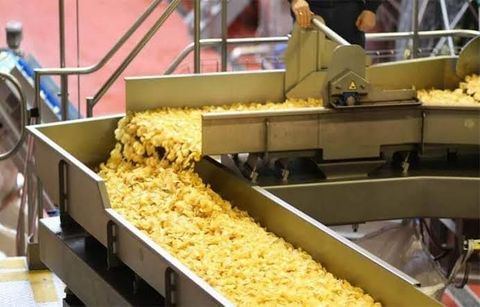
Rail Welding Machines: Discover Information, Facts, Tips, Resources, and Expert Advice
Updated: November 13, 2026
Read More