CO2 Laser Cutting Machines: Explore Overview, Basics, Explanation, Knowledge, and Key Details
Laser cutting is an important manufacturing technology used to cut, engrave, and shape different materials with a concentrated beam of light. Among the available laser systems, the CO2 laser cutting machine is widely used for processing non-metallic materials and selected thin metal applications.
A CO2 laser cutter generates a laser beam using a gas mixture that primarily contains carbon dioxide, along with other gases such as nitrogen and helium. The beam is directed through optical components and focused onto the material surface. The concentrated energy heats the material, allowing it to melt, vaporise, or separate along a programmed cutting path.
Modern equipment may combine computer numerical control (CNC), automatic focusing, motion-control systems, cooling units, and exhaust arrangements. These technologies support accurate cutting and repeatable engraving patterns.
This guide explains CO2 laser cutting machine fundamentals, types, components, working principles, applications, recent developments, Indian safety considerations, and operational best practices.
Understanding CO2 Laser Cutting Machines
A CO2 laser cutting machine is a non-contact processing system that uses a carbon dioxide gas laser as its energy source. A focused beam delivers concentrated energy to a selected area of a material. The machine follows a programmed path to create the required shape or design.
The process can be used for:
Cutting acrylic sheets and panels
Engraving wood and selected wood-based materials
Cutting paper, cardboard, and fabric
Processing leather and rubber suitable for laser applications
Engraving glass surfaces using suitable techniques
Marking selected coated or treated materials
A CNC CO2 laser cutting machine follows digital design instructions to control the movement of the laser head or worktable. The machine can process repeated shapes, intricate patterns, lettering, and customised designs.
CO2 laser systems are particularly associated with non-metallic materials. Although specialised high-power systems can process some metals, fibre lasers are generally more common for industrial metal cutting, particularly for reflective metals and thicker metal sheets.
Importance of CO2 Laser Cutting Machines
CO2 laser cutting machines are used in manufacturing, fabrication, signage, packaging, and creative production because they provide several useful processing capabilities.
Detailed cutting: A focused laser beam can produce intricate shapes, narrow cuts, and fine design features when the material and machine settings are appropriate.
Non-contact processing: The laser does not physically touch the material like a conventional cutting blade. This reduces mechanical cutting forces on the workpiece.
Digital design integration: CNC systems can follow patterns prepared in CAD and graphics applications, making it easier to reproduce complex designs.
Versatile material processing: CO2 laser systems are suitable for many non-metallic materials, although compatibility must be checked before processing.
Repeatable production: Stored programs and controlled machine movements help maintain consistency across repeated cutting cycles.
Engraving capabilities: A CO2 laser engraving and cutting machine can perform both surface engraving and through-cutting, depending on its configuration and operating settings.
Main Types of CO2 Laser Cutting Machines
CO2 laser cutting machines are classified according to their design, power range, work area, motion system, and intended applications.
1. Desktop CO2 Laser Cutter
Desktop machines are compact systems designed for smaller workpieces and light-duty applications. They are commonly used for engraving, model-making, decorative designs, and small acrylic or wood components.
Typical characteristics include:
Compact working area
Lower-power laser source
Basic motion-control system
Suitable for small-format projects
Manual material positioning on many models
2. Industrial CO2 Laser Cutting Machine
An industrial CO2 laser cutting machine is designed for continuous or demanding production environments. It may include a larger working bed, higher laser output, automatic material handling, advanced motion control, and industrial cooling and extraction systems.
Applications include signage production, packaging components, furniture details, textile cutting, and industrial non-metal fabrication.
3. CNC CO2 Laser Cutting Machine
A CNC CO2 laser cutting machine uses programmed instructions to control the cutting head, worktable, laser output, and movement sequence.
Common features include:
Digital design-file compatibility
Programmable cutting paths
Controlled movement along multiple axes
Repeatable engraving patterns
Adjustable cutting parameters
Automatic positioning on selected models
4. Precision CO2 Laser Cutting Machine
A precision CO2 laser cutting machine is configured for detailed work where dimensional consistency, narrow kerfs, and accurate pattern reproduction are important.
Its performance depends on optical alignment, beam quality, mechanical rigidity, focusing accuracy, motion control, and material characteristics.
5. 150W CO2 Laser Cutting Machine
A 150W CO2 laser cutting machine uses a laser source rated at approximately 150 watts. This power level is used in some medium-duty cutting and engraving configurations, particularly for non-metallic sheets.
Actual cutting capability depends on several factors:
Material type and composition
Material thickness
Laser tube condition
Optical alignment and lens condition
Cutting speed and focus position
Assist-air arrangement
Cooling performance
A 150W rating alone does not establish the maximum thickness or achievable edge quality. These should be confirmed through material-specific tests and machine specifications.
6. CO2 Laser Engraving and Cutting Machine
A CO2 laser engraving and cutting machine performs two related operations. Engraving uses controlled laser energy to mark or remove material from the surface, while cutting follows a path through the material.
It is commonly used for decorative panels, signs, labels, packaging prototypes, customised components, and lettering.
Main Components of a CO2 Laser Cutter
The design differs between manufacturers, but most machines contain the following components.
Component | Function |
|---|---|
CO2 laser tube or source | Generates the laser beam |
High-voltage power supply | Provides the required electrical power to the laser source |
Reflecting mirrors | Direct the beam along the optical path |
Focusing lens | Concentrates the beam onto the material |
Laser head | Holds optical components and directs the beam |
CNC controller | Manages machine movements and cutting instructions |
Motion system | Moves the laser head or worktable |
Worktable | Supports the material during processing |
Chiller or cooling unit | Maintains the required operating temperature |
Exhaust and filtration system | Removes smoke, fumes, and airborne particles |
Air-assist system | Directs air towards the cutting area to help clear debris |
Enclosure and interlocks | Help contain laser radiation and restrict access during operation |
CO2 Laser Cutting Machine Working Principle
A CO2 laser system generates infrared laser radiation through an electrically excited gas mixture. The beam is directed through mirrors and focused by a lens onto the surface of the material.
The concentrated energy heats the material in a small area. Depending on the material and settings, the material may melt, vaporise, or decompose. Assist air or another suitable gas may help remove molten material and debris from the cutting path.
A typical cutting sequence involves:
Preparing a digital drawing or design.
Importing the design into compatible machine software.
Checking the dimensions and cutting paths.
Placing the material on the machine bed.
Setting focus, power, speed, and other parameters.
Activating the cooling and exhaust systems.
Starting the programmed cutting or engraving sequence.
Monitoring the operation through the machine's protected viewing arrangement.
Allowing the workpiece and machine area to reach a safe condition.
Inspecting the finished component.
The correct settings vary with material composition, thickness, surface condition, and machine configuration.
Materials Used in CO2 Laser Cutting
CO2 laser systems are particularly suitable for many non-metallic materials. Material compatibility must always be checked before machining because some substances release hazardous fumes or may ignite.
Material | Typical application |
|---|---|
Acrylic | Signage, display panels, decorative components |
Plywood | Models, furniture details, craft components |
MDF | Decorative panels and prototypes, with suitable extraction |
Paper and cardboard | Packaging prototypes and paper designs |
Fabric | Textile patterns and selected garment components |
Leather | Engraving and selected cutting applications |
Rubber sheets | Selected stamps and industrial components |
Glass | Surface marking and engraving techniques |
Important material warning: PVC and vinyl should not be processed using a CO2 laser because they can release highly hazardous chlorine-containing gases and corrosive substances. Unknown plastics and coated materials should not be processed until their composition and safety have been verified. Polycarbonate can produce poor cutting results and may present additional processing hazards.
Recent Developments and Industry Trends
CO2 laser cutting technology continues to develop through improvements in automation, optical systems, software, and workplace safety.
Improved CNC Automation
Modern CNC systems provide more accurate motion control, programmable cutting paths, and repeatable operating sequences. Some machines include automatic focusing, material-position detection, and integrated design-file management.
Advanced Optical Systems
Improvements in lenses, mirrors, and beam alignment systems help maintain consistent energy delivery. Regular optical inspection remains important because dust, residue, and misalignment can affect cutting performance.
Intelligent Monitoring
Some industrial machines use sensors to monitor cooling temperature, airflow, machine movement, and operating conditions. These features can help identify abnormal conditions and support planned maintenance.
Integrated Design and Manufacturing
CAD and CAM applications make it possible to prepare designs, arrange multiple parts on a sheet, and generate machine instructions. Nesting software can improve material utilisation by arranging components efficiently.
Improved Fume Extraction
Modern installations increasingly use enclosed cutting areas, extraction ducts, and filtration units. Effective extraction is important because cutting and engraving can release smoke, fine particles, and material-specific gases.
Greater Focus on Machine Safety
Laser-processing safety continues to receive attention through international standards and machine-design guidance. ISO 11553-1:2020, which covers laser safety requirements for laser-processing machines, was reviewed and confirmed as current in 2025.
Laws, Policies, and Safety Standards in India
CO2 laser cutting machine operations in India should comply with applicable workplace safety, machinery, electrical, fire prevention, and environmental requirements. The exact obligations depend on the factory, state, machine configuration, materials processed, and nature of the activity.
Occupational Safety, Health and Working Conditions Code, 2020
India's Occupational Safety, Health and Working Conditions Code, 2020 came into force on November 21, 2025. It consolidates several central labour laws and establishes workplace safety and health responsibilities. Employers must take appropriate steps to maintain safe working conditions and protect workers from occupational hazards.
For laser cutting operations, relevant precautions include:
Providing appropriate machine guarding and protective enclosures.
Training operators in machine operation and emergency procedures.
Maintaining suitable ventilation and fume extraction.
Providing appropriate personal protective equipment.
Establishing safe procedures for cleaning and maintenance.
Managing fire risks and electrical hazards.
ISO 11553-1:2020
ISO 11553-1:2020 addresses safety requirements for laser-processing machines. It covers hazards associated with laser radiation and other hazards arising from machine operation and material processing. It also addresses safety information that equipment manufacturers should provide.
IEC 60825-1
IEC 60825-1 provides requirements for laser-product classification and safety. CO2 laser equipment should have an appropriate classification and protective arrangements based on its design and intended use.
BIS Machine Safety Guidance
The Bureau of Indian Standards provides machine-safety guidance covering hazards associated with industrial equipment, including thermal cutting systems. The guidance highlights radiation, fumes, heat, noise, and mechanical hazards, along with the need for appropriate protective measures.
Environmental and Fire Safety
Industrial installations should assess smoke, particulate emissions, waste handling, electrical systems, and fire protection. Applicable State Pollution Control Board requirements, local fire-safety rules, and factory permissions should be checked before operating an installation.
Best Practices for Operating CO2 Laser Cutting Machines
Safe and consistent operation depends on correct material selection, machine setup, maintenance, and operator training.
Verify material compatibility: Check the material composition before processing. Never assume that an unidentified plastic or coated sheet is safe for laser cutting.
Maintain optical cleanliness: Inspect mirrors and lenses regularly and clean them according to the manufacturer's instructions.
Check laser alignment: Incorrect alignment can affect beam delivery and cutting quality.
Set suitable parameters: Adjust power, speed, focus, and air assistance according to the material and thickness.
Maintain cooling performance: Check coolant levels, temperature, circulation, and chiller condition.
Use effective extraction: Keep exhaust ducts and filters clean and verify that smoke is removed from the cutting enclosure.
Monitor fire risks: Do not leave an operating laser unattended. Keep appropriate fire-protection arrangements available.
Inspect the worktable: Remove accumulated debris and check that the material lies flat and is securely positioned.
Follow electrical safety procedures: Isolate the machine before maintenance, particularly when working near high-voltage components.
Maintain operating records: Record machine inspections, optical cleaning, maintenance, parameter changes, and unusual operating conditions.
Use suitable protective equipment: Follow the machine's laser classification and safety instructions. Ordinary tinted glasses should not be treated as a substitute for correctly specified laser protection.
Tools and Resources for CO2 Laser Cutting
Several digital and technical resources support machine programming, material preparation, and quality inspection.
Tool or resource | Purpose |
|---|---|
CAD software | Create and edit technical drawings |
CAM software | Prepare machine-compatible cutting instructions |
Vector design applications | Develop lettering, patterns, and decorative designs |
Nesting software | Arrange components efficiently on sheet material |
Laser power meter | Check laser output using suitable measurement equipment |
Optical inspection tools | Examine mirrors, lenses, and beam-path components |
Cooling-system monitor | Track coolant temperature and circulation |
Airflow meter | Check extraction and assist-air performance |
Material safety data sheets | Review material composition and processing hazards |
BIS and ISO catalogues | Identify relevant safety and technical standards |
Frequently Asked Questions
1. What is a CO2 laser cutting machine?
A CO2 laser cutting machine uses a carbon dioxide gas laser to generate a focused infrared beam. The beam heats and separates material along a programmed path. It is commonly used for cutting and engraving non-metallic materials.
2. What materials can a CO2 laser cutter process?
Depending on machine configuration, it can process acrylic, plywood, MDF, paper, cardboard, fabric, leather, and selected rubber materials. Material compatibility and fume hazards must be checked before processing.
3. What is a 150W CO2 laser cutting machine used for?
A 150W CO2 laser cutting machine is used in some medium-duty cutting and engraving applications. Its actual performance depends on material type, thickness, optical condition, focus, cooling, and operating parameters.
4. What is the difference between a CO2 laser cutter and a fibre laser cutter?
A CO2 laser cutter uses a gas-based laser source and is commonly used for non-metallic materials. A fibre laser uses a solid-state fibre-based source and is widely used for industrial metal cutting and marking.
5. Is a CNC CO2 laser cutting machine suitable for industrial production?
Yes. CNC-controlled CO2 systems can support repeated cutting and engraving operations in industrial environments. Suitability depends on working-area dimensions, laser power, motion accuracy, material requirements, cooling, extraction, and production volume.
Conclusion
CO2 laser cutting machines are versatile manufacturing systems used for cutting and engraving a wide range of non-metallic materials. Their working principle combines gas-laser technology, optical components, focused energy, and controlled machine movement.
Different configurations, including desktop machines, industrial CO2 laser cutting machines, CNC CO2 laser cutting machines, precision systems, and 150W models, support different material dimensions and production requirements.
Modern developments in CNC automation, optical systems, digital design, and fume extraction continue to improve machine capabilities. Understanding material compatibility, machine components, operating parameters, and safety requirements is essential for maintaining consistent results and a safe working environment.
Disclaimer: This article is intended for general informational and educational purposes only. Machine specifications, material compatibility, operating procedures, and regulatory requirements should be verified with qualified professionals and relevant authorities before practical application. No particular machine, product, brand, or organisation is guaranteed or endorsed.

Related Post...
Tablet Counting Machines: Explore Overview, Basics, Explanation, Knowledge, and Key Details
Updated: November 17, 2026
Read More
French Fries Manufacturing Machines: Explore Overview, Basics, Explanation, Knowledge, and Key Details
Updated: November 13, 2026
Read More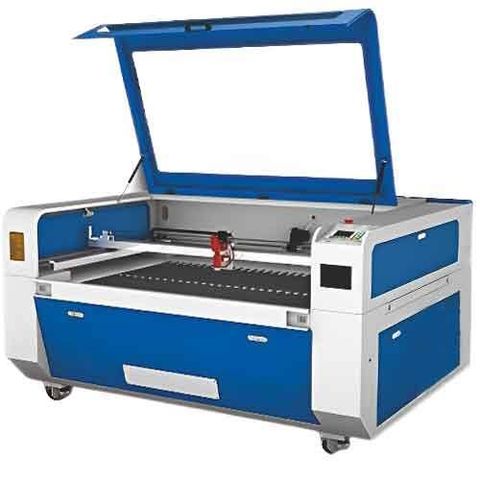
CO2 Laser Cutting Machines: Explore Overview, Basics, Explanation, Knowledge, and Key Details
Updated: November 17, 2026
Read More