Electric Sports Cars: Explore Guide, Tips, Insights, Advice, and Expert Suggestions
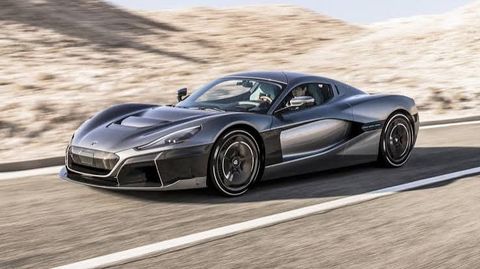
Electric sports cars combine modern electric propulsion with the driving characteristics traditionally associated with sporty vehicles. They are designed around responsive acceleration, precise handling, distinctive styling, and advanced vehicle technology.
Unlike conventional petrol-powered sports cars, electric sports cars use rechargeable battery packs and electric motors. Many models deliver strong torque at low motor speeds, allowing rapid acceleration without the need for a conventional multi-speed gearbox.
Electric sports cars are available in different forms, including two-seat roadsters, coupes, performance sedans, and sporty electric hatchbacks. Some focus on track driving, while others combine dynamic handling with everyday comfort.
This guide explores electric sports cars, luxury electric sports cars, electric sports car models, technology, acceleration, design, and important factors to understand when comparing these vehicles.
Basics of Electric Sports Cars
What Are Electric Sports Cars?
Electric sports cars are battery-powered vehicles designed to provide engaging driving characteristics through responsive power delivery, balanced handling, and performance-focused engineering.
Their main components include:
Rechargeable battery pack
One or more electric motors
Power electronics
Electronic traction control
Regenerative braking
Performance suspension
High-grip tyres
Battery cooling system
Some electric sports cars use a single motor to drive the rear wheels. Others use dual motors to provide all-wheel drive and more precise power distribution.
Electric Sports Cars vs. Conventional Sports Cars
| Feature | Electric Sports Cars | Conventional Sports Cars |
|---|---|---|
| Power source | Battery and electric motors | Petrol engine |
| Torque delivery | Strong at low motor speeds | Depends on engine speed |
| Gearbox | Often single-speed | Usually multi-speed |
| Energy recovery | Regenerative braking | Generally not available |
| Engine sound | Quiet motor operation | Engine and exhaust sound |
| Power control | Electronic motor management | Engine and transmission controls |
Both types can provide enjoyable driving experiences. The preferred choice depends on driving style, vehicle purpose, charging access, and personal preferences.
Electric Sports Car Models
Porsche Taycan
The Porsche Taycan is a performance-focused electric sedan known for responsive handling, rapid acceleration, and advanced chassis technology.
Its range includes several powertrain configurations, including dual-motor all-wheel-drive versions. The Taycan combines electric performance with a refined cabin and long-distance driving capability.
The Taycan Turbo GT is among the most performance-focused versions, with high power output and track-oriented engineering.
MG Cyberster
The MG Cyberster is a fully electric two-seat roadster with a convertible roof and a sporty exterior design.
Its dual-motor all-wheel-drive variant delivers high power and rapid acceleration. The Cyberster combines modern electric technology with the open-top driving experience associated with traditional roadsters.
Maserati GranTurismo Folgore
The GranTurismo Folgore is an electric grand touring coupe developed by Maserati.
It uses three electric motors and a high-capacity battery pack. Its design combines strong acceleration with a spacious two-door cabin and long-distance touring characteristics.
The Folgore demonstrates how electric propulsion can be integrated into a luxury sports coupe.
Audi Concept C
The Audi Concept C is an electric sports car concept that previews a future two-seat coupe and roadster direction for Audi.
The concept features a low body, clean exterior surfaces, and a retractable hardtop. Audi has announced plans for a production electric sports car based on this design direction, with production expected to begin in 2027.
Porsche 718 Electric
The all-electric Porsche 718 Boxster and Cayman successors are being developed as two-door electric sports cars.
Porsche announced in November 2026 that development of the electric 718 Boxster had reached its final stages. The model uses a sports-car-specific battery layout designed to support a low seating position and mid-engine-style driving balance.
The production vehicle is scheduled to be presented in the first quarter of 2027.
Luxury Electric Sports Cars
Luxury electric sports cars combine performance with refined interiors, advanced technology, distinctive materials, and carefully developed driving characteristics.
Luxury Electric Coupes
Luxury electric coupes generally feature:
Low-slung body proportions
High-output electric motors
Advanced suspension technology
Premium cabin materials
Digital driver displays
Performance braking systems
Sophisticated aerodynamic design
The Maserati GranTurismo Folgore and upcoming Audi electric sports car illustrate different approaches to this category.
Luxury Electric Roadsters
Electric roadsters focus on open-top driving and a close connection between the driver and the road.
The MG Cyberster is one example of a modern electric roadster. The upcoming electric Porsche 718 Boxster is another important development in this category.
Electric Sports Car Specifications
Specifications help explain the engineering and performance characteristics of electric sports cars.
| Specification | Meaning |
|---|---|
| Motor power | Output produced by the electric motor or motors |
| Battery capacity | Stored electrical energy, measured in kWh |
| Torque | Rotational force, measured in Nm |
| 0–100 km/h time | Acceleration time from a standstill |
| Top speed | Maximum specified or measured speed |
| Driving range | Estimated distance on a full battery |
| Charging power | Maximum supported charging rate |
| Vehicle weight | Total mass of the vehicle |
| Tyre specification | Tyre dimensions and performance rating |
Motor Power and Torque
Electric motor power is usually measured in kilowatts (kW) or horsepower (hp).
Torque is measured in newton-metres (Nm). Strong torque at low motor speeds helps electric sports cars accelerate quickly.
However, high power alone does not determine overall performance. Tyre grip, vehicle weight, battery temperature, road conditions, and electronic controls also influence acceleration and handling.
Battery Capacity and Range
Battery capacity is measured in kilowatt-hours (kWh). A larger battery can store more energy, but it also adds weight.
Sports car engineers must balance battery capacity, vehicle mass, driving range, and power delivery.
Actual driving range may be lower during high-speed driving, repeated acceleration, or cold weather.
Electric Sports Car Technology
Dual-Motor Electric Sports Cars
Dual-motor electric sports cars typically use one motor for the front axle and another for the rear axle.
This arrangement can provide all-wheel drive and improve traction during acceleration.
The control system can adjust the power delivered to each axle according to driving conditions. Some advanced models also use separate motors for individual wheels.
Torque Vectoring
Torque vectoring adjusts the driving force delivered to different wheels.
In a dual-motor electric sports car, electronic controls can change the front-to-rear power distribution to help the vehicle maintain stability and turn more precisely.
This technology works alongside steering, suspension, braking, and traction control.
Battery and Thermal Management
High-performance electric sports cars use battery packs designed to deliver substantial power.
Battery management systems monitor voltage, temperature, and charging conditions. Cooling systems help maintain suitable operating temperatures during repeated acceleration and rapid charging.
Thermal management is important because excessive heat can reduce power output or affect battery durability.
Regenerative Braking
Regenerative braking converts some of the vehicle's movement into electrical energy.
When the driver slows down, the electric motor can operate as a generator and return energy to the battery.
This can improve efficiency during everyday driving. High-performance sports cars also use conventional friction brakes for demanding braking situations.
Electric Sports Car Performance
Acceleration
Electric sports cars can accelerate rapidly because electric motors deliver strong torque at low speeds.
Some high-performance models can reach 100 km/h in less than three seconds under suitable conditions.
Acceleration depends on:
Motor output
Battery power capability
Tyre grip
Vehicle weight
Launch-control settings
Road surface
Battery temperature
Published acceleration figures may use different testing methods, so comparisons should be made carefully.
Handling and Stability
Electric sports cars often place the battery low within the chassis. This can lower the centre of gravity and support stable handling.
However, battery mass still affects vehicle weight and cornering behaviour.
Suspension tuning, tyre selection, steering calibration, and electronic stability systems are important for maintaining control during demanding driving.
Top Speed
Top speed depends on motor power, gearing, aerodynamic drag, tyre capability, and electronic speed limits.
A car with rapid acceleration may not have the highest maximum speed. Sustained high-speed driving also requires suitable battery cooling and aerodynamic stability.
Electric Sports Car Design
Aerodynamics
Aerodynamic design influences stability, energy use, and high-speed performance.
Common features include:
Smooth front bodywork
Air curtains
Underbody airflow channels
Rear diffusers
Active aerodynamic wings
Low-drag wheel designs
Engineers balance low drag with downforce and cooling airflow.
Lightweight Materials
Electric sports cars may use aluminium, carbon fibre, and advanced composite materials.
Reducing weight can improve acceleration, braking, and handling. Lightweight construction also helps balance the mass of the battery pack.
Interior and Driver Controls
Sports car interiors often focus on driver comfort and clear access to vehicle information.
Digital displays may show battery state, power output, energy use, tyre temperature, and driving modes.
Some models include selectable driving settings that adjust throttle response, steering, suspension, and traction control.
Recent Developments and Trends
Electric Sports Cars Entering Production
The electric sports car category is expanding beyond performance sedans and SUVs.
In November 2026, Porsche announced that the all-electric 718 Boxster had reached the final stages of development, with a production presentation planned for the first quarter of 2027.
The vehicle's dedicated battery layout is intended to preserve sports-car driving characteristics while adapting the platform to electric propulsion.
Audi Electric Sports Car
Audi's Concept C previewed a future two-seat electric sports car. The production model is expected to begin production in 2027.
The concept emphasizes clean body design, a retractable hardtop, and a compact sports-car layout.
Improved Performance Controls
Modern electric sports cars increasingly use software to coordinate motor output, braking, suspension, and traction control.
These systems can adjust vehicle behaviour quickly and help drivers select settings suited to road or track conditions.
Battery and Charging Improvements
New battery technologies and high-voltage platforms are helping improve charging capability and power delivery.
Charging speed depends on battery temperature, charger capability, state of charge, and the vehicle's charging curve.
Laws and Policies in India
Electric sports cars used on public roads in India must comply with applicable vehicle registration, safety, insurance, and road-use requirements.
Vehicle Registration
Imported or domestically produced electric sports cars must meet relevant homologation and registration requirements before public-road use.
Owners should confirm the vehicle's eligibility with the appropriate transport authority.
PM E-DRIVE Scheme
India's PM E-DRIVE scheme supports electric mobility, charging infrastructure, and the wider EV ecosystem.
The scheme covers specified vehicle categories and activities. A private electric sports car should not automatically be assumed to qualify for a purchase incentive.
Charging Infrastructure
The Ministry of Power's 2024 charging infrastructure guidelines provide a framework for public and private EV charging facilities.
Owners should confirm that charging equipment is compatible with the vehicle's connector, voltage, and charging requirements.
Delhi Electric Vehicles Policy
Delhi's Electric Vehicles Policy 2026 took effect on 1 July 2026 and covers the period through 2030.
The policy includes measures related to electric mobility, charging infrastructure, and vehicle adoption. Any incentive or regulatory provision depends on the vehicle category and the applicable policy conditions.
Tools and Resources
The following resources can help readers understand and compare electric sports cars:
EV specification databases: Compare motor power, battery capacity, range, and acceleration.
Charging time calculators: Estimate charging duration using battery capacity and charging power.
EV range calculators: Explore how speed, temperature, and driving conditions influence range.
Automotive engineering publications: Learn about motors, battery systems, aerodynamics, and chassis design.
Vehicle safety information: Understand braking systems, tyre ratings, and driver assistance technology.
Government transport portals: Review registration and vehicle compliance requirements.
Manufacturer technical documents: Confirm model-specific specifications and operating guidance.
FAQs
What are electric sports cars?
Electric sports cars are battery-powered vehicles designed for responsive acceleration, precise handling, and performance-focused driving.
Which electric sports cars are known for high performance?
The Porsche Taycan, MG Cyberster, Maserati GranTurismo Folgore, and upcoming electric Porsche 718 are notable examples of electric sports car development.
How do dual-motor electric sports cars work?
Dual-motor models typically use one motor for each axle. This can provide all-wheel drive and allow electronic control of power distribution for improved traction.
Are electric sports cars suitable for everyday driving?
Many electric sports cars can be used daily, but range, charging access, ride comfort, cabin space, and local road conditions should be considered.
What is the difference between an electric sports car and an electric hypercar?
Electric sports cars focus on sporty driving, handling, and performance. Electric hypercars generally represent a more extreme category with unusually high power, specialized engineering, and often very limited production.
Conclusion
Electric sports cars combine modern battery technology with performance-focused design and advanced driving controls.
Models such as the Porsche Taycan, MG Cyberster, and Maserati GranTurismo Folgore demonstrate how electric propulsion can support different sports car formats. Upcoming models such as the electric Porsche 718 and Audi's production sports car indicate continued development in the two-door electric segment.
As battery systems, motor controls, charging technology, and chassis engineering evolve, electric sports cars will remain an important part of the modern automotive landscape.
Disclaimer: Vehicle specifications, performance figures, and regulations may change. Confirm the latest details for the exact model and review current legal requirements before making vehicle-related decisions.

Related Post...
Toyota Fortuner Next Gen: Explore Features, Specifications, Technologies, and Useful Resources
Updated: November 25, 2026
Read More
High-Performance Electric Cars: Explore Guide, Tips, Insights, Advice, and Expert Suggestions
Updated: November 27, 2026
Read More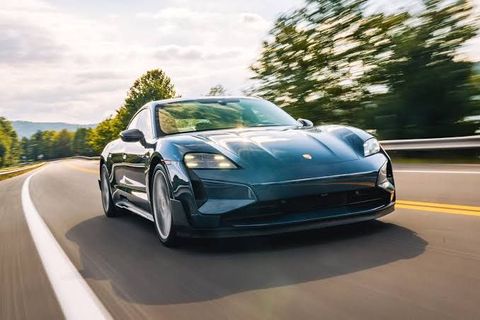
Electric Sports Cars: Explore Guide, Tips, Insights, Advice, and Expert Suggestions
Updated: November 27, 2026
Read More