Luxury Hybrid Cars: Explore Guide, Tips, Insights, Advice, and Expert Suggestions
Luxury hybrid cars combine premium comfort with a powertrain that uses both an internal combustion engine and an electric motor. This combination can improve fuel efficiency, reduce engine workload in certain driving conditions, and provide smooth acceleration.
Luxury hybrid vehicles are available in several body styles, including sedans, SUVs, and plug-in hybrid models. They often feature advanced cabin technology, refined interiors, driver assistance systems, and carefully tuned suspension.
Hybrid technology varies by manufacturer and model. Some vehicles use a small battery that charges through regenerative braking, while plug-in hybrid cars have larger batteries that can be charged from an external power source and may travel a limited distance using electricity alone.
This guide explores luxury hybrid cars, premium hybrid models, specifications, plug-in hybrid technology, safety features, and practical tips for understanding these vehicles.
1. Understanding Luxury Hybrid Cars
A luxury hybrid car uses more than one power source, usually a petrol engine and an electric motor. The hybrid system manages how these sources work together according to driving conditions.
The electric motor can assist the engine during acceleration, move the vehicle at low speeds in some designs, and recover energy during braking.
Luxury hybrid cars commonly include:
Petrol engine and electric motor
Hybrid battery pack
Power control electronics
Regenerative braking system
Automatic power management
Premium interior materials
Advanced infotainment systems
Driver assistance technology
The purpose of hybrid technology is not simply to increase power. It can also improve smoothness, reduce fuel consumption in suitable conditions, and support quieter operation at low speeds.
2. Types of Luxury Hybrid Cars
Mild Hybrid Cars
A mild hybrid system uses a small electric motor or starter-generator to assist the engine. It may support engine start-stop functions and provide limited assistance during acceleration.
Most mild hybrid vehicles cannot drive using electric power alone.
Full Hybrid Cars
A full hybrid can use its electric motor, petrol engine, or both, depending on the driving situation.
Some full hybrids can travel short distances at low speeds using electric power, although the battery is generally charged by the engine and regenerative braking rather than an external charger.
Luxury Plug-In Hybrid Cars
A plug-in hybrid electric vehicle, commonly called a PHEV, has a larger battery than a conventional hybrid and can be charged using an external power source.
Plug-in hybrid cars can often cover everyday short journeys using electric power when the battery is charged. The petrol engine remains available for longer trips.
Hybrid Performance Cars
Some premium hybrid vehicles use electric motors to increase overall power and improve acceleration.
Performance-oriented hybrid systems may combine a petrol engine with one or more electric motors, creating a powertrain that emphasizes both speed and efficiency.
3. Luxury Hybrid SUVs
Luxury hybrid SUVs combine elevated seating, passenger space, and premium features with hybrid powertrain technology.
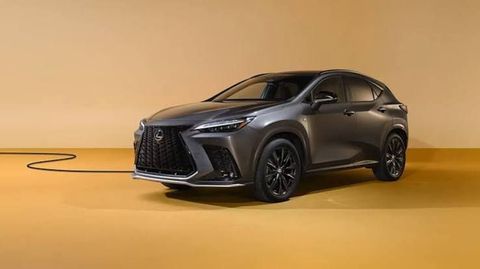
Lexus RX Hybrid
The Lexus RX hybrid range is known for a comfortable cabin, refined ride, and hybrid powertrain options. Specifications vary by market and model year.
BMW X5 xDrive50e
The BMW X5 xDrive50e is a plug-in hybrid SUV that combines a petrol engine with an electric motor and rechargeable battery.
It provides an electric driving mode for suitable journeys and a combined powertrain for longer travel.
Volvo XC90 Plug-In Hybrid
The Volvo XC90 plug-in hybrid combines a premium interior, three-row seating in many configurations, and an electrified powertrain.
Its features and electric driving range depend on the market and model year.
Mercedes-Benz GLE Plug-In Hybrid
Selected GLE plug-in hybrid versions combine a petrol or diesel engine, an electric motor, and a rechargeable battery.
The model is designed to provide a blend of cabin comfort, performance, and electric driving capability.
4. Luxury Hybrid Sedans
Luxury hybrid sedans are designed for comfortable road travel, refined cabin experiences, and balanced performance.
Lexus ES Hybrid
The Lexus ES hybrid is known for its quiet cabin, comfortable ride, and fuel-efficient hybrid system.
It is often considered by drivers who prefer a traditional luxury sedan with smooth power delivery.
BMW 5 Series Plug-In Hybrid
Selected BMW 5 Series plug-in hybrid models combine a petrol engine with an electric motor and external charging capability.
They provide a balance of executive-car comfort, driving dynamics, and electric commuting potential.
Mercedes-Benz E-Class Plug-In Hybrid
The E-Class plug-in hybrid range includes versions that combine an internal combustion engine with an electric motor.
Features may include digital displays, driver assistance systems, and a refined interior, depending on the configuration.
Toyota Crown Hybrid
The Toyota Crown hybrid range offers an electrified powertrain and a premium-oriented design.
Its specifications, body style, and availability differ across markets.
5. Luxury Plug-In Hybrid Cars
Luxury plug-in hybrid cars are designed to combine electric driving with the flexibility of a petrol engine.
How Plug-In Hybrid Technology Works
A plug-in hybrid contains:
A petrol engine
An electric motor
A rechargeable battery
An onboard charging system
A power control unit
Regenerative braking
When the battery is charged, the vehicle may operate using electric power for suitable journeys. When more power is needed or the battery charge becomes low, the petrol engine can start automatically.
Charging Options
Plug-in hybrid cars can generally be charged using compatible home charging equipment or public charging stations.
Charging time depends on battery capacity, charging power, vehicle design, and the type of charging equipment used.
Electric Driving Range
The electric driving range of a plug-in hybrid varies by model. Factors that affect range include:
Battery capacity
Driving speed
Outside temperature
Climate control use
Road conditions
Passenger and luggage weight
A plug-in hybrid can provide greater electric driving capability when charged regularly. Without regular charging, its fuel efficiency may be less favorable than expected because it carries both an engine and a battery system.
6. Luxury Hybrid Car Specifications
Luxury hybrid car specifications help explain the vehicle's powertrain, performance, comfort, and energy use.
| Specification | Meaning |
|---|---|
| Engine displacement | Size of the internal combustion engine |
| Combined system power | Total power available from the engine and electric motor |
| Electric motor output | Power produced by the electric motor |
| Battery capacity | Energy stored in the hybrid battery |
| Fuel economy | Fuel used over a stated distance |
| Electric driving range | Distance possible using electric power in a plug-in hybrid |
| Transmission | System used to transfer power to the wheels |
| Drive configuration | Front-wheel, rear-wheel, or all-wheel drive |
| Charging time | Time required to recharge a plug-in hybrid battery |
Combined Power Output
Manufacturers may report combined system power for hybrid vehicles. This figure does not always equal the simple addition of engine and motor power because both sources may not deliver their maximum output simultaneously.
Fuel Efficiency
Hybrid vehicles can reduce fuel consumption in stop-and-go traffic because the electric motor may assist the engine and regenerative braking can recover some energy.
Fuel economy varies according to driving style, traffic, temperature, road conditions, and the vehicle's hybrid design.
Battery Capacity
Conventional hybrids usually have relatively small batteries designed for frequent charging and discharging during driving.
Plug-in hybrids have larger battery packs that support longer electric journeys.
7. Luxury Hybrid Car Safety Features
Luxury hybrid car safety features may include a combination of active safety technology, passive protection, and systems designed specifically for electrified powertrains.
Advanced Driver Assistance Systems
Depending on the model, features may include:
Adaptive cruise control
Lane departure warning
Lane keeping assistance
Blind spot monitoring
Rear cross-traffic alert
Automatic emergency braking
Traffic sign recognition
Parking assistance
These systems help support the driver but do not replace attention or safe driving practices.
Airbags and Passenger Protection
Luxury hybrid vehicles commonly include front airbags and additional protection systems, depending on vehicle configuration.
Some models may include side airbags, curtain airbags, and specialized restraint systems.
Hybrid Battery Protection
Hybrid vehicles are designed with electrical safety systems that monitor battery conditions and help isolate high-voltage components when required.
Battery protection may include:
High-voltage insulation
Battery temperature monitoring
Electrical fault detection
Protective battery housing
Automatic power isolation in certain situations
Pedestrian Awareness
Electric motors can operate quietly at low speeds. Many hybrid vehicles include an acoustic vehicle alert system that produces a sound to help pedestrians notice the vehicle when it is moving slowly in electric mode.
8. Luxury Hybrid Car Design and Interior Features
Luxury hybrid car design combines traditional premium vehicle styling with the packaging needs of an electrified powertrain.
Exterior Design
Hybrid vehicles may feature aerodynamic bodywork, distinctive lighting, and design elements that identify their electrified powertrain.
Aerodynamic efficiency can help reduce energy use, particularly at higher speeds.
Interior Comfort
Premium hybrid cars may include:
Leather or alternative premium upholstery
Heated and ventilated seats
Multi-zone climate control
Panoramic sunroof
Ambient cabin lighting
Advanced audio systems
Digital instrument displays
Availability depends on the model and selected configuration.
Cabin Quietness
The electric motor can provide quieter operation during low-speed driving. This can improve the cabin experience in traffic and during short urban journeys.
When the petrol engine starts, the transition may be noticeable depending on the vehicle's engineering and operating conditions.
9. Tips for Choosing a Luxury Hybrid Car
Identify Your Driving Pattern
Consider how much of your driving takes place in cities, on highways, or over long distances.
A conventional hybrid may be suitable for mixed driving without regular charging. A plug-in hybrid may be more useful when daily journeys are short and charging is convenient.
Compare Fuel Economy
Check the official fuel economy figures for the exact model and version. Test procedures differ between regions, so figures from different markets may not be directly comparable.
Review Battery Information
For plug-in hybrid models, examine battery capacity, electric driving range, charging power, and charging time.
Check Passenger Space
Hybrid battery placement can affect luggage capacity or cabin packaging in some vehicles. Review the seating layout and cargo area before making a decision.
Understand Maintenance Requirements
Hybrid vehicles have both conventional engine components and electrical systems.
Maintenance schedules may include engine oil, filters, cooling systems, brake components, battery inspections, and software updates.
10. Recent Developments in Luxury Hybrid Technology
Luxury hybrid technology continues to develop through improvements in batteries, power electronics, and vehicle control systems.
Improved Battery Efficiency
Hybrid battery development focuses on energy storage, power delivery, durability, and temperature management.
More Efficient Electric Motors
Electric motor designs continue to focus on reducing energy losses and improving power output relative to weight.
Regenerative Braking Improvements
Regenerative braking converts some of the vehicle's movement into electrical energy during deceleration.
Advanced systems can adjust energy recovery according to driving conditions and battery charge levels.
Integrated Powertrain Control
Modern hybrid systems use software to coordinate the engine, electric motor, battery, transmission, and braking system.
This coordination helps balance performance, fuel economy, and smoothness.
Expanded Plug-In Hybrid Options
Several premium vehicle manufacturers have introduced plug-in hybrid versions of sedans and SUVs. These models provide electric driving capability while retaining an engine for longer journeys.
11. Laws, Regulations, and Hybrid Vehicle Safety
Luxury hybrid cars must meet the vehicle regulations applicable in the country where they are registered.
Vehicle Registration
Requirements may include vehicle certification, lighting, braking, safety equipment, and compliance with applicable emission standards.
In India, buyers should check the vehicle's current registration and homologation status, along with applicable road regulations.
Emission Standards
Hybrid vehicles are subject to applicable emission rules for their internal combustion engines.
The specific requirements depend on the vehicle category, fuel type, model year, and market.
High-Voltage System Safety
Hybrid battery systems contain high-voltage components. Inspection and repairs should be performed by trained personnel using suitable equipment.
Road Safety
Hybrid vehicles must follow the same applicable traffic rules as other passenger vehicles. Driver assistance technology should be treated as support rather than a substitute for attentive driving.
12. Tools and Resources for Luxury Hybrid Car Research
Useful resources include:
Official vehicle manufacturer websites
Vehicle specification databases
Hybrid technology explainers
Plug-in hybrid charging guides
Fuel economy comparison tools
EV charging station maps
Automotive safety assessment websites
Vehicle registration and road safety authorities
Owner manuals and maintenance schedules
Check the official specification sheet for the exact model year and market because powertrain configurations can differ between countries.
13. Frequently Asked Questions
What are luxury hybrid cars?
Luxury hybrid cars are premium vehicles that combine an internal combustion engine with an electric motor to support performance, comfort, and energy efficiency.
What is the difference between a hybrid and a plug-in hybrid?
A conventional hybrid generally charges its battery through the engine and regenerative braking. A plug-in hybrid has a larger battery that can also be charged externally and usually provides a longer electric driving range.
Are luxury hybrid SUVs available?
Yes. Luxury hybrid SUVs are available from several premium manufacturers, including Lexus, BMW, Volvo, and Mercedes-Benz. Availability and specifications vary by market.
Are luxury hybrid sedans fuel-efficient?
Many luxury hybrid sedans can achieve improved fuel efficiency compared with similar conventional petrol models, particularly in urban driving. Actual results depend on driving conditions and vehicle configuration.
What safety features should a luxury hybrid car have?
Useful features include automatic emergency braking, adaptive cruise control, blind spot monitoring, lane assistance, airbags, and high-voltage battery protection systems.
Conclusion
Luxury hybrid cars combine premium comfort with the advantages of electric motor assistance. They are available in sedans, SUVs, performance vehicles, and plug-in hybrid configurations.
Understanding the differences between mild hybrids, full hybrids, and plug-in hybrids can help readers compare models more accurately. Specifications such as combined power, fuel economy, battery capacity, electric range, and safety equipment provide useful information when evaluating a vehicle.
As hybrid technology continues to develop, luxury hybrid cars remain an important option for drivers seeking a balance of refinement, performance, and efficient powertrain design.
Disclaimer: Vehicle specifications, features, fuel economy, and electric driving range may vary by model year, market, and configuration. Confirm current technical information with the manufacturer before relying on it.

Related Post...
MINI Cooper SE: Explore Features, Specifications, Technologies, and Useful Resources
Updated: November 24, 2026
Read More
Toyota Fortuner Next Gen: Explore Features, Specifications, Technologies, and Useful Resources
Updated: November 25, 2026
Read More
Hyundai Stargazer: Explore Features, Specifications, Technologies, and Useful Resources
Updated: November 25, 2026
Read More