Packaging Printing Machines: Explore Overview, Basics, Explanation, Knowledge, and Key Details
Packaging printing machines are used to apply text, graphics, product information, logos, patterns, and regulatory details to packaging materials. They play an important role in the production of cartons, corrugated boxes, labels, flexible packaging, paper bags, wrappers, and other packaging formats.
Modern packaging printing equipment uses several technologies, including flexographic, offset, gravure, digital, and screen printing. Each technology has different strengths based on the packaging material, print quality, production volume, and design requirements.
The packaging printing process usually includes artwork preparation, prepress, printing, drying or curing, finishing, and quality inspection. Selecting the right machine requires an understanding of the substrate, printing technology, machine configuration, and intended packaging application.
1. Overview of Packaging Printing Machines
A packaging printing machine transfers an image or design onto a packaging substrate. The substrate may be paper, paperboard, corrugated board, plastic film, foil, or another compatible material.
Industrial packaging printing machines may operate as sheet-fed systems or continuous roll-fed systems. Some machines print directly onto the packaging material, while others print onto a separate layer that is later laminated or applied to the final package.
Main Characteristics
Prints product names, graphics, symbols, and identification details
Supports different packaging materials
Uses single-color or multi-color printing configurations
Can be configured for short, medium, or long production runs
Integrates with cutting, folding, laminating, coating, and converting equipment
Supports manual, semi-automatic, and automatic production workflows
Common Applications
Packaging printing equipment is used for:
Corrugated shipping boxes
Folding cartons
Flexible pouches and wrappers
Paper bags and sacks
Labels and tags
Beverage and food packaging
Pharmaceutical and personal-care packaging
Industrial product packaging
2. Basics of Packaging Printing Technology
Packaging printing technology refers to the methods and equipment used to transfer images onto packaging materials.
The choice of printing method depends on several factors:
Packaging substrate
Print design and color requirements
Production quantity
Image detail
Printing speed
Ink compatibility
Finishing requirements
The main printing processes used in packaging include flexography, offset lithography, gravure, digital printing, and screen printing.
3. Types of Packaging Printing Machines
Flexographic Packaging Printing Machine
A flexographic packaging printing machine uses a flexible printing plate with raised image areas. Ink is transferred from the plate to the substrate through controlled contact.
Flexographic printing is widely used for corrugated boxes, labels, flexible films, paper bags, and packaging rolls.
Key features:
Suitable for continuous roll-fed printing
Supports multiple printing stations
Works with various paper and film substrates
Can use compatible water-based, solvent-based, or UV-curable ink systems
Integrates with drying and converting equipment
Flexographic machines are commonly used for repeated designs and medium-to-long production runs.
Offset Packaging Printing Machine
An offset packaging printing machine transfers ink from a plate to a rubber blanket and then onto the substrate.
Offset printing is widely used for folding cartons, paperboard packaging, product boxes, and premium printed packaging.
Key features:
Reproduces fine text and detailed graphics
Supports accurate color reproduction
Commonly used with sheet-fed paperboard
Can be integrated with coating and finishing units
Offset printing is often selected for packaging that requires detailed artwork and high-quality image reproduction.
Gravure Packaging Printing Machine
A gravure packaging printing machine uses an engraved cylinder containing recessed ink-holding cells. The cylinder transfers ink directly to the substrate.
Gravure is used for certain flexible packaging applications and very long production runs.
Key features:
Engraved printing cylinders
Consistent image reproduction during extended runs
Suitable for selected films, foils, and paper substrates
Requires controlled ink viscosity and drying
Cylinder preparation is an important part of gravure production, so the process is generally suited to designs that remain consistent over large quantities.
Digital Packaging Printing Machine
A digital packaging printing machine reproduces artwork directly from digital files without requiring conventional printing plates or engraved cylinders for each design.
Digital printing is used for prototypes, short runs, personalized packaging, and packaging with frequent artwork changes.
Key features:
Direct digital artwork input
Rapid design changes
Supports variable data in suitable systems
Useful for small batches and multiple design versions
Can print labels, cartons, selected flexible materials, and corrugated packaging
Digital systems may use inkjet or toner-based technology, depending on the machine.
Screen Packaging Printing Machine
Screen printing transfers ink through a mesh screen containing a prepared image area.
It is used for selected rigid packaging, specialty graphics, and applications requiring a relatively thick ink layer.
Screen printing may be used on suitable plastic, glass, metal, and other packaging components.
4. Corrugated Box Printing Machines
A corrugated box printing machine prints graphics, text, and identification details onto corrugated board or corrugated box blanks.
Flexographic printing is commonly used for direct printing on corrugated board. Digital and other printing methods may also be used depending on the required image quality and production workflow.
Direct Printing and Preprinting
Corrugated packaging can be printed using two main approaches.
Direct printing: The printing machine applies ink directly onto the corrugated board or box blank. This method is commonly used for shipping cartons and printed corrugated packaging.
Preprinting: The liner paper is printed before it is combined with the corrugated structure. The printed liner is then incorporated into the board during corrugation or lamination.
Preprinting can provide a smoother surface for detailed graphics, while direct printing is useful for many standard corrugated packaging applications.
Common Corrugated Printing Machine Configurations
Flexographic sheet-fed printer
Flexographic printer-slotter
Rotary die-cutting and printing line
Digital corrugated printer
Preprint roll-fed flexographic press
The appropriate configuration depends on box dimensions, board grade, artwork, production quantity, and downstream converting requirements.
5. Industrial Packaging Printing Equipment
Industrial packaging printing equipment is designed for repeated production and integration with manufacturing or packaging lines.
Main Equipment Components
| Component | Function |
|---|---|
| Feeding system | Supplies sheets or rolls to the printing unit |
| Printing station | Transfers the image onto the substrate |
| Plate or cylinder | Carries the printing image in conventional systems |
| Ink delivery system | Supplies and controls ink |
| Impression system | Maintains contact between the image carrier and substrate |
| Drying or curing unit | Helps set or cure the printed ink |
| Control panel | Adjusts machine settings and operating sequence |
| Inspection system | Checks print quality and selected defects |
| Delivery or rewinding unit | Collects printed sheets or rolls |
Some industrial machines include additional units for coating, laminating, slitting, folding, or die-cutting.
6. Packaging Printing Process: Step by Step
Step 1: Artwork Preparation
The design is prepared using graphic design or prepress software. Artwork includes text, graphics, colors, barcodes, product information, and required symbols.
Step 2: Prepress Preparation
The artwork is checked for dimensions, color separations, image resolution, trapping, and printing requirements.
For conventional printing, plates or cylinders may be prepared. Digital printing systems receive the approved artwork file directly.
Step 3: Substrate Selection
The packaging material is selected according to the package structure, printing method, product requirements, and intended environment.
Step 4: Machine Setup
The operator installs the required plates or cylinders, prepares the ink system, loads the substrate, and sets the printing parameters.
Step 5: Printing
The machine transfers the design onto the packaging material. Multi-color systems use multiple printing units or controlled color passes.
Step 6: Drying or Curing
The printed material passes through the appropriate drying or curing process. The method depends on the ink chemistry and substrate.
Step 7: Finishing
Finishing may include coating, laminating, slitting, die-cutting, folding, gluing, or other converting operations.
Step 8: Quality Inspection
Printed packaging is checked for color accuracy, image clarity, registration, ink adhesion, and other required characteristics.
7. Packaging Printing Machine Specifications
Packaging printing machine specifications help determine whether equipment is suitable for a particular production requirement.
Printing Width or Sheet Size
The maximum printing width or sheet dimensions determine the size of the packaging material that can be processed.
Printing Speed
Speed may be specified in sheets per hour, meters per minute, or another machine-specific unit.
Actual output depends on substrate properties, print mode, number of colors, drying requirements, and finishing operations.
Number of Printing Units
The number of printing units determines how many colors or printing operations can be completed within a machine pass.
Color Configuration
Common process-color configurations use CMYK: cyan, magenta, yellow, and black. Additional stations may support spot colors, coatings, or special inks.
Substrate Compatibility
Check the supported material type, thickness, weight, surface treatment, and sheet or roll dimensions.
Registration Accuracy
Registration refers to the alignment of different colors or printing units. Accurate registration is important for detailed graphics, fine text, and multi-color packaging.
Automation and Controls
Machine controls may include programmable settings, automatic registration, tension control, ink monitoring, inspection cameras, and production data recording.
8. Packaging Printing Ink and Substrates
Packaging printing ink must be compatible with the printing machine and packaging material.
Common Ink Categories
Water-based inks
Solvent-based inks
UV-curable inks
Electron-beam-curable inks in selected industrial systems
Specialty inks for particular substrates or decorative effects
Common Packaging Substrates
Paper and paperboard
Corrugated board
Polyethylene and polypropylene films
Polyester films
Aluminum foil and foil laminates
Coated and laminated packaging materials
The ink must provide suitable adhesion, drying behavior, color reproduction, and resistance to the conditions expected during packaging, storage, and transport.
For flexible packaging, surface treatment such as corona treatment may be used on certain films to improve ink or coating adhesion.
9. Recent Developments in Packaging Printing
Digital and Hybrid Printing
Digital printing supports short-run production and frequent design changes. Hybrid systems combine digital printing with conventional printing or finishing units to support different production needs.
Automated Inspection
Camera-based inspection systems can monitor registration, missing print, color variation, and selected surface defects.
Improved Color Management
Digital prepress and color-management systems help maintain consistent color reproduction across different substrates and printing equipment.
Flexible Production
Modern packaging workflows increasingly support multiple design versions, smaller batches, and variable information.
Sustainable Printing Practices
Printing facilities may evaluate water-based inks, reduced material waste, energy-efficient drying, and recyclable packaging structures. The suitability of each approach depends on the substrate and the final packaging requirements.
10. Best Practices for Packaging Printing
Choose the Correct Printing Process
Select the technology according to packaging format, material, artwork, and production quantity. Flexography, offset, gravure, and digital printing each have different operating characteristics.
Prepare Artwork Carefully
Check dimensions, text, color separations, barcodes, and print tolerances before production.
Maintain Ink Consistency
Follow the ink manufacturer's instructions for viscosity, mixing, storage, and drying.
Control Substrate Handling
Maintain proper sheet alignment or web tension to reduce wrinkles, skewing, and registration problems.
Inspect Printed Samples
Review samples for:
Color consistency
Print clarity
Registration
Ink adhesion
Smudging or missing print
Surface defects
Maintain the Machine
Regularly inspect rollers, plates, cylinders, ink systems, feeding components, and drying units according to the machine manual.
11. Safety and Packaging Regulations
Packaging printing involves inks, solvents, moving rollers, electrical equipment, and sometimes UV or thermal drying systems.
Safety Practices
Use guards and safety interlocks
Follow machine operating procedures
Provide appropriate ventilation
Read ink and solvent safety data sheets
Use suitable personal protective equipment
Follow safe cleaning and maintenance procedures
Apply lockout procedures when required
Food Packaging Considerations
Food packaging requires special attention to ink selection, migration, substrate compatibility, and the intended packaging structure.
In India, the Food Safety and Standards (Packaging) Regulations, 2018 include requirements relating to packaging materials and printing inks. The regulations state that printing inks used on food packages must conform to the referenced Indian standard and that the printed surface should not come into direct contact with food.
Packaging manufacturers should consult the latest applicable FSSAI regulations, amendments, and relevant BIS standards before producing food-contact packaging.
12. Tools and Resources
Useful resources for packaging printing include:
Printing machine operating manuals
Ink technical data sheets
Substrate compatibility guides
Artwork and prepress software
Color-management systems
Registration and print inspection tools
Packaging design and dieline software
Applicable packaging standards
Technical information from printing equipment manufacturers and packaging industry organizations can help with machine configuration, substrate selection, artwork preparation, and process control.
13. Frequently Asked Questions
What is a packaging printing machine?
A packaging printing machine applies text, graphics, product information, and decorative designs to packaging materials such as paperboard, corrugated board, films, labels, and cartons.
Which printing technology is commonly used for corrugated boxes?
Flexographic printing is widely used for corrugated boxes. Digital printing and preprinted liner methods may also be used for applications requiring different image quality or production workflows.
What is the difference between digital and conventional packaging printing?
Digital printing reproduces artwork directly from a digital file, while conventional printing generally uses plates or engraved cylinders. Digital printing is useful for shorter runs and frequent design changes; conventional methods are commonly used for repeated production.
What should be checked in packaging printing machine specifications?
Important specifications include print width, sheet or roll dimensions, printing speed, number of units, color configuration, substrate compatibility, registration accuracy, and automation features.
Which ink is used in packaging printing?
Depending on the printing process and substrate, packaging may use water-based, solvent-based, UV-curable, or other specialized inks. The ink must be compatible with the packaging material and intended use.
Conclusion
Packaging printing machines are essential equipment for producing printed cartons, corrugated boxes, flexible packaging, labels, paper bags, and many other packaging formats.
Flexographic, offset, gravure, digital, and screen printing technologies serve different requirements. Corrugated box printing machines are commonly configured for direct printing, preprinting, or digital production depending on the board, artwork, and packaging workflow.
Selecting suitable packaging printing equipment requires reviewing machine specifications, substrate compatibility, ink properties, print quality, production speed, automation, and finishing requirements. Proper artwork preparation, process control, maintenance, and quality inspection help support consistent packaging print results.
Disclaimer: This article is intended for general educational purposes. Machine specifications, ink compatibility, packaging standards, and regulatory requirements vary by equipment and application. Consult the machine manual, ink technical documentation, current applicable standards, and relevant regulations before production.

Related Post...
Extrusion Machine Brands: Discover Information, Facts, Tips, Resources, and Expert Advice
Updated: November 26, 2026
Read More
Extrusion Machine Brands: Explore Overview, Basics, Explanation, Knowledge, and Key Details
Updated: November 26, 2026
Read More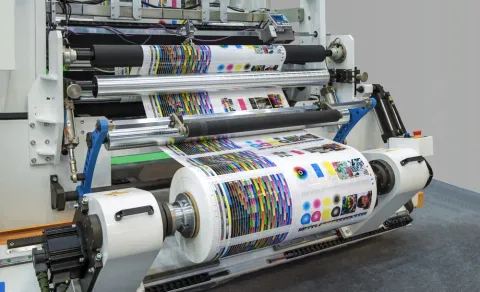
Packaging Printing Machines: Explore Overview, Basics, Explanation, Knowledge, and Key Details
Updated: November 26, 2026
Read More