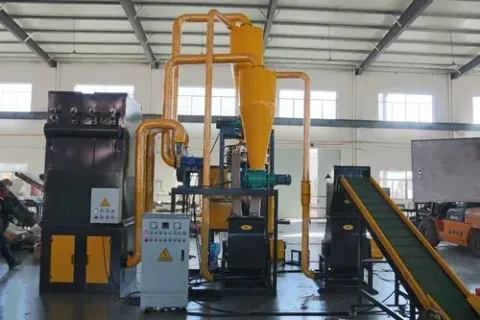
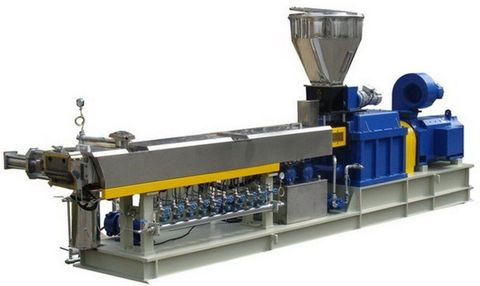
Battery Recycling Machines: Discover Information, Facts, Tips, Resources, and Expert Advice
Battery recycling machines are industrial systems designed to process used batteries and recover reusable materials. Depending on the battery chemistry and recycling method, equipment can perform sorting, discharging, dismantling, crushing, separation, and material recovery.
Battery recycling has become increasingly important because batteries are used in electric vehicles, consumer electronics, energy-storage systems, industrial equipment, telecommunications, and many other applications.
A typical recycling process may involve several stages:
Collection → Identification → Discharge → Dismantling → Size reduction → Separation → Material recovery → Residue management
The exact sequence depends on battery chemistry. Lead-acid batteries, lithium-ion batteries, nickel-based batteries, and other battery types require different processing methods.
A battery recycling machine should therefore not be considered a universal piece of equipment. A system designed for one battery chemistry may not be appropriate for another.
Why Battery Recycling Matters Today
The expansion of electric mobility and energy-storage technologies is increasing interest in battery recovery.
According to a December 2025 Ministry of Heavy Industries statement citing the NITI Aayog's Advanced Chemistry Cell Battery Reuse and Recycling report, projected annual lithium-ion battery demand was about 40 GWh for 2025 and was expected to reach approximately 210 GWh by 2030.
More batteries entering circulation eventually means more batteries reaching end-of-life or requiring refurbishment.
Recycling can help address several important challenges:
Recovery of valuable materials
Reduction of waste going to inappropriate disposal channels
Support for circular-material supply chains
Better management of end-of-life batteries
Reduction of dependence on some virgin mineral inputs
Recovery of materials such as lithium, cobalt, nickel, copper, aluminium, and lead, depending on battery chemistry
Battery recycling also presents safety challenges. Damaged lithium-ion batteries can contain stored electrical energy and may experience thermal runaway if improperly handled.
Therefore, recycling is not simply a matter of mechanically breaking batteries apart. Safe collection, identification, storage, processing, and residue management are equally important.
Main Types of Battery Processing Machines
Different machines perform different functions within a recycling line.
| Equipment Type | Main Function | Typical Application |
|---|---|---|
| Battery dismantling machine | Separates battery components | Packs and selected battery assemblies |
| Battery crushing machine | Reduces battery material size | Pre-processing |
| Battery separation machine | Separates material fractions | Metals, plastics and active materials |
| Battery processing machine | Performs one or more processing stages | Integrated recycling workflows |
| Sorting equipment | Identifies and separates batteries | Mixed battery streams |
| Discharge equipment | Reduces stored electrical energy | Selected battery types |
| Shredding equipment | Reduces battery size under controlled conditions | Pre-processing of suitable feedstock |
| Magnetic separator | Removes ferrous material | Mixed material streams |
| Screening equipment | Separates particles by size | Downstream processing |
A used battery recycling machine may refer to previously operated equipment, but equipment condition, compatibility, safety systems, maintenance history, and processing capability should be evaluated carefully.
Lithium Battery Recycling Machines
A lithium battery recycling machine is designed specifically around the characteristics of lithium-ion battery materials.
Lithium-ion batteries can contain combinations of:
Lithium compounds
Nickel
Cobalt
Manganese
Copper
Aluminium
Graphite
Steel
Plastics
Electrolytes
The composition varies according to chemistry and battery design.
Common lithium-ion chemistries include LCO, NMC, NCA, LFP, and other formulations. These differences affect the appropriate processing and material-recovery approach.
A recycling system may use mechanical processing followed by physical separation and, depending on the process, hydrometallurgical or pyrometallurgical recovery.
The term lithium battery recycling machine therefore covers a broad range of equipment rather than one standardized machine.
Battery Dismantling and Pre-Processing
A battery dismantling machine can be used to separate selected components before further processing.
For battery packs, dismantling may involve separating:
Housing
Wiring
Busbars
Cooling components
Electronic control systems
Individual modules
Cells
Manual or semi-automated dismantling may sometimes be required because battery-pack designs differ considerably.
Before mechanical processing, batteries may also require identification and controlled discharge procedures according to the chemistry and condition of the battery.
Particularly with damaged or swollen lithium-ion batteries, automated processing should not be treated as a substitute for proper hazard assessment.
Battery Crushing and Separation
A battery crushing machine or shredding system reduces the size of suitable battery feedstock so that downstream equipment can separate different material fractions.
A simplified mechanical process can be represented as:
Battery preparation → Controlled size reduction → Screening → Magnetic separation → Density or air separation → Material fractions
The recovered fractions may include metals, plastics, and active-material-rich mixtures.
A battery separation machine may combine screening, magnetic separation, eddy-current separation, air classification, or other technologies.
The appropriate configuration depends on particle size, material composition, moisture, battery chemistry, and the intended downstream recovery process.
Recent Developments in India
Battery recycling has received increasing policy attention in India during 2025 and 2026.
On 22 January 2026, NITI Aayog launched reports addressing circular-economy opportunities for end-of-life vehicles, waste tyres, e-waste, and lithium-ion batteries. The lithium-ion battery report examined infrastructure, sector formalization, Extended Producer Responsibility, and opportunities for strengthening India's circular economy.
A major development came from the Ministry of Mines.
On 30 April 2026, the Ministry announced that 58 companies had been found eligible under the Incentive Scheme for Promotion of Critical Mineral Recycling. The scheme has a total outlay of ₹1,500 crore and includes lithium-ion battery scrap among eligible feedstocks. The approved entities represented pledged processing capacity of approximately 850 KTPA and pledged investment of about ₹5,000 crore.
This policy direction indicates that battery recycling is increasingly being considered part of India's critical-mineral strategy rather than only a waste-management activity.
Battery Recycling and the Circular Economy
The circular-economy model attempts to keep useful materials in productive circulation for as long as possible.
For batteries, this can include several stages:
Battery manufacturing
Use in vehicles or equipment
Collection after use
Testing and potential refurbishment
Recycling
Recovery of useful materials
Reintegration into manufacturing
Not every battery should automatically be sent directly to material recovery. Some batteries or modules may have potential for reuse or refurbishment, subject to technical testing and applicable regulations.
The objective is to manage the entire battery lifecycle rather than focusing only on the final disposal stage.
Laws and Policies Affecting Battery Recycling in India
India's Battery Waste Management Rules, 2022 established an Extended Producer Responsibility framework covering batteries of different types, including electric-vehicle, portable, automotive, and industrial batteries.
Under the framework, producers and importers have responsibilities relating to collection, recycling or refurbishment targets. The rules also provide for a centralized online EPR system involving producers, recyclers, and refurbishers.
The rules have been amended several times.
The Ministry of Environment, Forest and Climate Change lists amendments from 2023 and 2024, followed by the Battery Waste Management (Amendment) Rules, 2025, notified on 24 February 2025.
The 2025 amendment included provisions concerning the display of EPR registration information through barcodes or QR codes in specified circumstances.
The rules also establish progressively structured collection and recycling/refurbishment obligations. CPCB's published rules include targets extending into 2026–27 and later compliance cycles.
Therefore, organizations handling battery waste should verify the latest CPCB and MoEFCC requirements rather than relying on an older version of the rules.
Critical Mineral Recycling Policy
Battery recycling is also connected with India's critical-mineral strategy.
The National Critical Mineral Mission was approved in January 2025, and the Ministry of Mines subsequently introduced an incentive scheme for critical-mineral recycling. Eligible feedstocks include lithium-ion battery scrap, e-waste, and specified other scrap streams.
The scheme was notified on 2 October 2025, with applications accepted through 1 April 2026. By April 2026, 58 entities had been identified as eligible for participation.
This development is relevant to recycling-machine technology because greater domestic recovery capacity can increase demand for appropriate sorting, dismantling, size-reduction, separation, and material-recovery systems.
Safety Considerations
Battery processing requires careful risk management.
Important precautions include:
Identify battery chemistry before processing.
Separate damaged batteries from normal feedstock.
Follow appropriate discharge procedures.
Prevent short circuits.
Use suitable protective equipment.
Control ignition sources.
Provide appropriate ventilation.
Monitor temperature where required.
Establish emergency procedures.
Store batteries according to applicable safety requirements.
Maintain clear records of incoming material.
Ensure operators understand the equipment and hazards.
Lithium-ion batteries deserve particular attention because mechanical damage can create fire or thermal-runaway hazards.
Industrial recycling equipment should therefore be selected and operated according to the battery chemistry, physical condition, process design, and applicable safety requirements.
Understanding Machine Selection
When comparing battery recycling machines, specifications should be considered as part of the entire recycling process.
| Evaluation Area | Key Question |
|---|---|
| Battery chemistry | What types of batteries can be processed? |
| Feed size | What battery dimensions are suitable? |
| Processing stage | Dismantling, crushing, separation, or recovery? |
| Throughput | What quantity can the system process? |
| Safety | What protection and monitoring systems are included? |
| Material recovery | Which fractions are separated? |
| Dust control | How are airborne particles managed? |
| Automation | Which operations are automated? |
| Maintenance | What inspection and maintenance procedures are required? |
| Integration | Can the equipment connect with upstream/downstream stages? |
A machine should be evaluated according to the complete process rather than a single advertised capacity.
Useful Tools and Resources
Several resources are useful for understanding battery recycling.
CPCB: The Central Pollution Control Board provides regulatory information, EPR-related material, and Battery Waste Management Rules documentation.
MoEFCC: The Ministry of Environment, Forest and Climate Change publishes notifications and amendments concerning battery-waste regulation.
Ministry of Mines: Useful for information about critical minerals, recycling initiatives, and the Incentive Scheme for Promotion of Critical Mineral Recycling.
NITI Aayog: Its 2026 circular-economy work provides useful background on lithium-ion battery reuse and recycling in India.
Battery classification worksheet: A spreadsheet can record chemistry, voltage, physical condition, form factor, source, and processing category.
Material-flow calculator: A process spreadsheet can estimate input mass, expected material fractions, process losses, and residue quantities.
Safety checklist: A written checklist can cover inspection, segregation, storage, discharge, processing, fire preparedness, and emergency procedures.
Practical Best Practices
Organizations researching battery recycling equipment should consider the complete lifecycle of the process.
Recommended practices include:
Identify battery chemistry before processing.
Separate incompatible battery types.
Inspect incoming batteries for damage.
Establish controlled storage procedures.
Use appropriate pre-processing methods.
Match equipment to the intended feedstock.
Monitor temperature and other relevant process conditions.
Control dust and airborne particles.
Maintain equipment according to manufacturer instructions.
Keep records of incoming and outgoing materials.
Follow applicable EPR and environmental requirements.
Train personnel in battery-specific hazards.
Review emergency procedures regularly.
These practices are especially important when lithium-ion batteries are involved.
Frequently Asked Questions
What are battery recycling machines used for?
They are used to perform different stages of battery recycling, including sorting, controlled discharge, dismantling, crushing, shredding, screening, separation, and material recovery.
What is a lithium battery recycling machine?
It is equipment or an integrated processing system designed for lithium-based battery feedstock. Depending on the system, it may process battery packs, modules, cells, or pre-processed material and separate useful material fractions.
What does a battery crushing machine do?
A battery crushing machine reduces appropriately prepared battery material into smaller pieces for subsequent separation and recovery. The process must be designed around the battery chemistry and safety requirements.
Why is battery dismantling important?
Dismantling can separate battery housings, electronics, wiring, modules, and other components before further processing. This can make downstream material separation more controlled for certain battery types.
Are battery recycling machines regulated in India?
Battery-waste handling is regulated through India's Battery Waste Management Rules and related environmental requirements. Producers, recyclers, and refurbishers can have specific EPR-related responsibilities, so organizations should check the latest CPCB and MoEFCC requirements applicable to their activity.
Conclusion
Battery recycling machines form an important part of the infrastructure needed to manage batteries at the end of their useful life. Depending on the battery chemistry and process design, equipment can support dismantling, crushing, screening, separation, and recovery of useful materials.
The growth of electric vehicles, energy storage, and portable electronics is increasing attention toward lithium-ion battery recycling. India's policy direction is also becoming more focused on circular economy development and critical-mineral recovery. NITI Aayog's January 2026 work and the Ministry of Mines' April 2026 announcement concerning 58 eligible recycling entities demonstrate this growing policy focus.
At the same time, battery recycling requires careful attention to safety. Battery chemistry, physical condition, electrical energy, fire risk, processing conditions, and waste-management requirements should all be considered before selecting or operating equipment.
For anyone researching a battery recycling machine, used battery recycling machine, battery processing machine, battery crushing machine, battery separation machine, lithium battery recycling machine, or battery dismantling machine, the most useful approach is to evaluate the equipment as part of a complete and properly regulated recycling process.
Disclaimer
This article is provided for general informational and educational purposes only. It does not constitute technical, legal, environmental, safety, financial, or professional advice. The information presented should not be interpreted as a guarantee of machine performance, regulatory compliance, material recovery, or operational results.
We do not claim, sell, promote, endorse, or recommend any particular battery recycling machine, manufacturer, equipment model, technology, or organization. Specifications, regulations, safety requirements, and government programs may change over time. Anyone planning battery-recycling activities should verify current requirements with the relevant government authorities, qualified technical professionals, and applicable equipment documentation before taking action.

Related Post...
Automatic Car Washing Machines: Explore Guide, Tips, Insights, Advice, and Expert Suggestions
Updated: October 28, 2026
Read More
Battery Recycling Machines: Discover Information, Facts, Tips, Resources, and Expert Advice
Updated: October 29, 2026
Read More