Textile Recycling Machines: Explore Overview, Basics, Explanation, Knowledge, and Key Details
Textile recycling machines play an important role in managing fabric waste and recovering useful materials from discarded textiles. These machines process old clothing, fabric scraps, production leftovers, and other textile materials into reusable fibers or materials suitable for further manufacturing.
As textile production and consumption increase, the amount of textile waste also grows. Recycling equipment helps reduce the volume of discarded fabric and supports the recovery of valuable textile resources.
A textile recycling machine may perform cutting, shredding, tearing, fiber opening, sorting, or material separation. The machine selection depends on the type of fabric, its composition, the required output, and the intended recycling method.
What Is a Textile Recycling Machine?
A textile recycling machine is industrial equipment designed to process textile waste into reusable material. It can handle natural fibers, synthetic fibers, blended fabrics, and certain textile products.
The main purpose of textile recycling machinery is to recover fibers or prepare textile waste for additional processing.
Common input materials include:
Cotton fabric scraps
Polyester textile waste
Wool and wool-blend fabrics
Denim and discarded garments
Knitted fabric waste
Nonwoven textile materials
Cutting-room leftovers
Used household textiles
The final output may include recycled fibers, fabric fragments, textile flakes, or material prepared for further manufacturing.
Importance of Textile Waste Recycling
Textile recycling supports more efficient use of raw materials and helps reduce the amount of fabric waste sent to disposal facilities.
Resource Recovery
Recycling machines recover useful fibers from textile waste. These fibers may be processed into yarn, nonwoven materials, insulation products, padding, or other textile-related materials.
Waste Reduction
Mechanical processing reduces the size and volume of discarded fabric, making it easier to handle and transport.
Material Efficiency
Manufacturers can recover suitable production leftovers and reuse them in selected manufacturing processes.
Environmental Considerations
Textile recycling can reduce the demand for some virgin raw materials and may lower the environmental impact associated with textile production. The actual benefit depends on the fiber type, energy use, transport, and recycling method.
Types of Textile Recycling Machines
Different textile recycling machines perform different stages of the recycling process.
Textile Shredding Machines
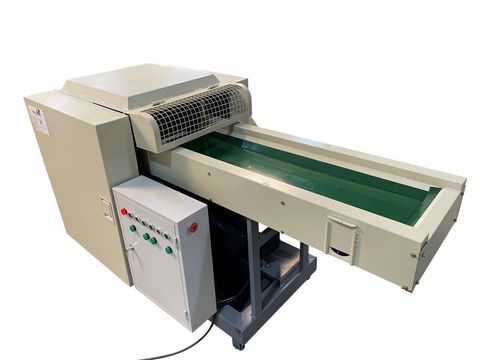
Textile shredding machines cut fabric waste into smaller pieces. They are commonly used as an initial processing stage before fiber opening or material separation.
These machines may handle garments, fabric rolls, textile scraps, and selected industrial textile waste.
Fabric Recycling Machines
Fabric recycling machines process textile waste into smaller fragments or recoverable fibers. Their configuration depends on the material being processed.
They may include cutting units, feeding systems, rotating blades, and material discharge arrangements.
Textile Fiber Opening Machines
Fiber opening machines loosen compacted textile fragments and separate them into individual or partially separated fibers.
This stage is important in mechanical textile recycling because it prepares the recovered fibers for further processing.
Textile Waste Recycling Machines
Textile waste recycling machines are designed to process a range of discarded textile materials. Some systems combine shredding, tearing, fiber opening, and dust collection.
The equipment may be arranged as a single machine or as a complete recycling line.
Industrial Textile Recycling Machines
Industrial textile recycling machines are used in larger processing facilities. They are designed for continuous or high-volume material handling, depending on their configuration.
Industrial systems may include automated feeding, multiple processing stages, conveyors, and monitoring controls.
Main Components of Textile Recycling Machinery
A textile recycling machine may contain several important components.
Feeding System
The feeding system moves textile waste into the processing chamber. It may use a conveyor, hopper, roller feeder, or controlled feeding arrangement.
Cutting or Shredding Unit
This unit reduces fabric into smaller pieces. Cutting blades or rotating elements perform the initial size reduction.
Fiber Opening Unit
The fiber opening unit loosens textile fragments and separates fibers from one another. Its design depends on the material and required fiber quality.
Motor and Drive System
The motor supplies power to the machine. The drive system controls the movement of rollers, blades, and other mechanical parts.
Control Panel
The control panel allows operators to monitor machine operation and adjust suitable settings, such as feeding speed or processing parameters.
Dust Collection System
Textile processing can generate dust and loose fibers. A dust collection system helps manage airborne particles and maintain a cleaner working area.
How Does a Textile Recycling Machine Work?
The recycling process varies according to the machine design and textile material. A typical mechanical recycling process includes the following stages.
Material Collection and Inspection
Textile waste is collected and inspected. Materials may be separated according to fiber type, color, fabric construction, or contamination.
Items containing buttons, zippers, metal parts, or other unwanted components may require preparation before processing.
Sorting and Preparation
The textile waste is sorted into suitable groups. Some materials require manual removal of accessories or non-textile components.
Sorting helps improve the consistency of the recycled output.
Cutting and Shredding
The prepared fabric enters the cutting or shredding unit. The machine reduces large textile pieces into smaller fragments.
Fiber Opening
The shredded material passes through a fiber opening unit. Mechanical action loosens the textile fragments and separates the fibers.
Cleaning and Separation
Depending on the system, the material may pass through screens, air separation, magnets, or other separation equipment to remove unwanted particles.
Collection and Further Processing
The recovered fibers are collected and may be compressed, blended, spun, or converted into nonwoven products.
The final quality depends on the original fabric, the recycling process, and the condition of the recovered fibers.
Technologies Used in Textile Recycling Machines
Mechanical Recycling
Mechanical recycling uses physical processes such as cutting, shredding, tearing, and fiber opening.
It is commonly used for cotton, wool, polyester, and selected fabric blends. The process does not normally change the chemical structure of the fiber.
Automated Material Feeding
Automated feeding systems regulate the movement of textile waste into the machine. This helps maintain a more consistent material flow.
Fiber Separation Technology
Fiber separation systems help distinguish or remove unwanted materials from the recycled textile stream.
Sensor-Based Sorting
Some textile sorting systems use optical or sensor-based technologies to identify material characteristics. These technologies can support the separation of textiles according to color or fiber composition.
Dust Management Technology
Industrial recycling lines may use filtration and dust collection equipment to manage loose fibers and airborne particles.
Applications of Textile Recycling Machines
Textile recycling machinery is used across several industries.
Textile Manufacturing
Fabric manufacturers may recycle cutting scraps and production leftovers into reusable fibers.
Garment Production
Garment factories can process fabric offcuts and selected textile waste generated during cutting and stitching.
Nonwoven Manufacturing
Recovered textile fibers may be used in selected nonwoven materials, padding, insulation, and other products.
Automotive Materials
Recycled textile fibers may be incorporated into certain automotive interior materials, acoustic components, and padding, depending on material specifications.
Furniture and Bedding
Textile recycling equipment can prepare fibers for selected cushioning, filling, and upholstery-related applications.
Waste Management Facilities
Recycling facilities use textile processing machinery to reduce textile waste and recover usable materials.
Important Specifications to Consider
When evaluating a textile recycling machine, several technical details are important.
Processing capacity: The amount of textile material handled per hour.
Material compatibility: The types of fabric and fiber blends the machine can process.
Output quality: The condition, length, and cleanliness of recovered fibers.
Power requirement: The electrical capacity needed for operation.
Machine dimensions: The space required for installation and maintenance.
Automation level: Manual, semi-automatic, or automated operation.
Dust control: The arrangements used to manage textile dust.
Maintenance requirements: The frequency of blade replacement, cleaning, and inspection.
Machine specifications should be matched to the actual textile waste stream rather than selected only by processing capacity.
Best Practices for Textile Recycling Machinery
Sort Materials Carefully
Separate textile waste according to fiber type and material condition. Mixed materials may produce inconsistent recycled fibers.
Prepare the Input Material
Remove unwanted accessories and contaminants where required. Proper preparation can help reduce machine wear.
Control Feeding Speed
Consistent feeding helps prevent overloading and supports stable machine operation.
Inspect Cutting Components
Blades and cutting elements should be inspected regularly. Worn components can affect processing quality and increase energy use.
Maintain Dust Control
Keep dust collection equipment clean and functioning properly. Follow appropriate workplace safety procedures.
Monitor Recycled Fiber Quality
Check fiber length, cleanliness, and consistency. These factors influence the suitability of recycled fibers for further manufacturing.
Recent Developments in Textile Recycling
Textile recycling has received increased attention as manufacturers and policymakers explore ways to improve textile waste management.
Recent developments include:
Greater interest in automated textile sorting.
Improved identification of fiber composition.
Expanded research into recycling blended fabrics.
Development of mechanical fiber recovery systems.
Increased focus on textile waste tracking and circular material use.
Research into recycling technologies that preserve fiber quality.
Mechanical recycling remains an established approach, while chemical and other advanced recycling methods are being developed for selected materials that are difficult to process mechanically.
Laws and Policies Related to Textile Recycling in India
Textile recycling activities in India may be affected by environmental, waste-management, workplace, and industrial regulations.
Waste Management Rules
Waste management rules and local requirements may apply to the collection, storage, handling, and processing of textile waste, depending on the type of waste and the facility.
Environmental Compliance
Industrial facilities may need to follow applicable environmental permissions, pollution-control requirements, and local authority rules.
Workplace Safety
Textile recycling facilities should follow appropriate machinery safety practices, electrical safety procedures, dust management, and worker protection measures.
Circular Economy Initiatives
India has introduced various initiatives related to resource efficiency, recycling, and sustainable manufacturing. Textile recycling can contribute to these wider objectives by recovering usable materials from textile waste.
Regulatory requirements can change. Facilities should verify the latest rules with the relevant central, state, and local authorities before establishing or modifying an industrial recycling operation.
Tools and Resources
The following resources can help readers understand textile recycling and industrial equipment.
Ministry of Textiles, Government of India: Information about textile-sector policies and initiatives.
Ministry of Environment, Forest and Climate Change: Environmental rules and waste-management information.
Central Pollution Control Board: Guidance on pollution control and environmental compliance.
Bureau of Indian Standards: Relevant standards for industrial equipment and safety.
Textile research institutions: Technical information about fiber processing, textile waste, and recycling methods.
Material testing laboratories: Testing of recycled fiber quality and textile composition.
Frequently Asked Questions
What is a textile recycling machine used for?
A textile recycling machine processes discarded fabric, garment waste, and textile production scraps into smaller fragments or reusable fibers.
Which materials can a textile waste recycling machine process?
Depending on its design, it may process cotton, polyester, wool, denim, knitted fabrics, and selected blended textiles.
What is the difference between a textile shredder and a fiber opening machine?
A textile shredder cuts fabric into smaller pieces. A fiber opening machine loosens those pieces and separates the fibers for further processing.
Can recycled textile fibers be used to make new fabric?
Yes. Recovered fibers may be blended with other fibers and processed into yarn or fabric. The suitability depends on fiber length, strength, cleanliness, and the intended product.
What factors affect textile recycling machine performance?
Important factors include the type of textile waste, feeding rate, machine design, cutting condition, fiber opening method, and maintenance practices.
Conclusion
Textile recycling machines help recover useful materials from discarded fabric and textile production waste. From shredding and cutting to fiber opening and separation, each stage contributes to preparing textile waste for further use.
Understanding machine types, processing methods, technical specifications, and material requirements helps readers evaluate textile recycling machinery more effectively. As textile recycling technologies continue to develop, efficient material sorting and fiber recovery will remain important parts of textile waste management.
Disclaimer: This article is for general educational purposes. Machine specifications, processing capacity, and regulatory requirements vary by equipment design, material, and location. Verify technical details and applicable regulations before making operational decisions.

Related Post...
Laser Tube Cutting Machines: Explore Overview, Basics, Explanation, Knowledge, and Key Details
Updated: November 26, 2026
Read More
Pad Printing Machines: Complete Guide to Basics, Technologies, Processes, Facts, and Best Practices
Updated: November 26, 2026
Read More
Packaging Printing Machines: Explore Overview, Basics, Explanation, Knowledge, and Key Details
Updated: November 26, 2026
Read More