Cement Mixing Machines: Complete Guide to Basics, Techniques, Facts, Knowledge, and Best Practices
A cement mixing machine is equipment used to combine cement with materials such as sand, aggregates, water, and other approved components to produce mortar or concrete mixtures. Although the term "cement mixer" is commonly used, the actual material being produced may be concrete or mortar rather than cement alone. Cement is one ingredient in many construction mixtures.
Cement mixing machines are used across residential construction, commercial buildings, roads, bridges, industrial facilities, foundations, paving projects, and other infrastructure activities.
The basic mixing process can be represented as:
Material measurement → Loading → Mixing → Quality checking → Discharge → Placement
Depending on the machine design, mixing may occur continuously or in separate batches.
A small portable cement mixer may be suitable for localized construction activities, while larger equipment can be integrated into batching plants or high-volume construction operations.
Why Cement Mixing Equipment Matters
Consistent mixing is important because concrete and mortar performance depends partly on the proportions and distribution of their ingredients.
Manual mixing can be practical for limited quantities, but larger construction activities require greater control over material handling and mixing consistency.
Cement mixing equipment can help construction teams:
Combine materials more uniformly
Handle larger quantities
Reduce repetitive manual work
Improve production consistency
Control mixing duration
Coordinate material preparation
Support larger construction workflows
Reduce unnecessary material handling
The appropriate machine depends on the material being produced, required quantity, site conditions, available power, transportation requirements, and project specifications.
Main Types of Cement Mixing Machines
Several types of mixers are used in construction.
| Mixer Type | General Characteristics | Common Application |
|---|---|---|
| Portable cement mixer | Compact and movable | Small construction projects |
| Drum mixer | Rotating drum combines materials | General concrete work |
| Heavy duty cement mixer | Larger and more robust configuration | High-volume construction |
| Batch mixer | Produces material in measured batches | Construction and batching operations |
| Pan mixer | Mixing takes place in a pan | Mortar and specialized mixtures |
| Twin-shaft mixer | Uses two mixing shafts | High-output concrete production |
| Planetary mixer | Multiple mixing movements | Precast and specialized concrete |
| Continuous mixer | Materials are mixed continuously | Selected large-scale applications |
Machine terminology can vary between manufacturers and construction sectors. A "cement mixer" may therefore describe equipment with significantly different capacities and mixing mechanisms.
Portable and Heavy-Duty Mixers
A portable cement mixer is designed to be moved relatively easily around a construction site. It can be useful where concrete or mortar needs to be prepared at multiple locations.
Important characteristics may include:
Compact dimensions
Wheels or transport arrangements
Smaller batch capacity
Simple controls
Electrical or engine-driven operation
Easier positioning
A heavy duty cement mixer, by comparison, is intended for more demanding operating conditions and larger material volumes.
These machines may have:
Larger mixing drums
Stronger drive systems
Higher structural capacity
More robust mixing components
Automated controls
Integration with material-handling equipment
The appropriate choice should be based on actual project requirements rather than simply selecting the largest available machine.
Cement Powder and Cement-Sand Mixing
A cement powder mixing machine may be used for dry blending or other specialized material-preparation applications. The exact machine depends on whether the process involves dry powders, mortar, concrete, or another formulation.
A cement and sand mixing machine is generally associated with mortar or related construction mixtures. However, cement-to-sand proportions should not be selected solely from a generic online recommendation.
Mix proportions depend on:
Intended application
Required strength
Cement type
Aggregate characteristics
Moisture content
Environmental exposure
Project specifications
Applicable construction standards
Water quantity is also important. Excess water can change the properties of concrete and mortar, so the water-to-cement relationship should be controlled according to the applicable mix design.
Understanding Cement Batch Mixers
A cement batch mixer prepares a defined quantity of material during each mixing cycle.
A simplified batch process is:
Measure ingredients.
Load the mixer.
Mix for the specified period.
Check the mixture where required.
Discharge the batch.
Clean or prepare the mixer for the next cycle.
Batch mixing provides an organized approach when each load needs to follow a specified formulation.
Large batching operations can automate weighing, material feeding, water measurement, mixing, and discharge.
The Bureau of Indian Standards lists IS 4925:2023, which covers specifications for concrete batching and mixing plants. BIS also lists IS 1791:2020, concerning general requirements for batch-type concrete mixers, with the standard reviewed in 2026.
Important Machine Features
When comparing a cement mixing machine, technical specifications should be considered together.
Important characteristics include:
Mixing capacity
Drum or chamber design
Mixing mechanism
Motor or engine specifications
Power requirements
Mixing-cycle controls
Discharge arrangement
Mobility
Structural construction
Cleaning access
Safety guards
Emergency controls
Maintenance requirements
For larger projects, compatibility with batching systems, conveyors, pumps, weigh systems, and other equipment can also be important.
A machine should be capable of handling the intended material without exceeding its designed operating limits.
Mixing Techniques and Quality Considerations
Machine operation is only one part of producing consistent concrete or mortar.
A controlled process generally involves:
Correct material measurement
Consistent ingredient quality
Appropriate loading sequence
Adequate mixing time
Controlled water addition
Proper discharge
Timely placement
Routine quality checks
The loading sequence can affect how materials move through the mixer. Operators should therefore follow the machine manufacturer's operating instructions and the project's approved mix procedure.
Concrete quality should not be judged simply by appearance. Testing and quality-control procedures may be necessary for structural applications.
BIS maintains numerous standards covering cement and related construction materials. Its cement standards compendium explains that Indian Standards address cement composition, physical and chemical requirements, storage, packaging, marking, and related quality considerations.
Recent Developments in India's Construction Equipment Sector
The demand environment for concrete and mixing equipment is closely connected with construction and infrastructure activity.
India's cement production reached an estimated 491.4 million metric tonnes in FY26, representing an 8.6% increase from FY25, according to IBEF's May 2026 industry analysis. The same analysis reported continued capacity expansion plans and strong demand from housing and infrastructure.
India's wider construction-equipment industry also recorded significant activity in FY26. IBEF reported that construction-equipment sales reached approximately 136,995 units, while infrastructure development and mechanization remained important demand drivers.
In May 2026, IBEF reported that construction-equipment exports increased 31.5% year over year during FY26, while domestic industry sales reached approximately 140,191 units according to Ministry of Heavy Industries information cited in the report.
These trends are relevant to cement mixing technology because concrete preparation forms part of many infrastructure, building, road, and industrial projects.
Automation and Digital Controls
Modern mixing systems can incorporate greater automation than traditional mechanical mixers.
Depending on the equipment, automation can include:
Digital weighing
Programmable controls
Automated water measurement
Batch recording
Sensor-based monitoring
Recipe management
Remote diagnostics
Production data logging
Automated material feeding
Automation can improve process repeatability, but it does not eliminate the need for appropriate mix design, equipment inspection, operator training, and quality testing.
For large plants, digital records can also make it easier to identify differences between batches and investigate production irregularities.
Understanding Cement Mixer Machine Price
Searches for cement mixer machine price can produce widely different figures because machines vary significantly in size, capacity, technology, power requirements, and configuration.
Instead of comparing one headline figure, examine the complete specification.
| Comparison Factor | What to Examine |
|---|---|
| Capacity | How much material can be mixed per batch? |
| Power | What electrical or engine capacity is required? |
| Mobility | Can the machine be moved around the site? |
| Automation | Manual, semi-automatic, or automated controls? |
| Construction | What materials and structural components are used? |
| Maintenance | What routine inspection is required? |
| Application | Mortar, concrete, dry materials, or another mixture? |
| Integration | Can it connect with batching or conveying equipment? |
The financial evaluation should also consider installation, electrical infrastructure, transportation, operating energy, maintenance, replacement components, and other project-related requirements rather than looking only at the machine's initial figure.
Laws, Standards, and Policies in India
Construction equipment operates within a broader framework of building, occupational safety, environmental, and technical requirements.
The Bureau of Indian Standards provides relevant standards for concrete mixers and batching equipment. IS 1791:2020 addresses general requirements for batch-type concrete mixers, while IS 4925:2023 covers concrete batching and mixing plant specifications.
BIS also released SP 7:2026, the National Building Construction Standards 2026, which supersedes SP 7:2016 and provides a current national reference framework for building construction practices and management.
Worker safety is another important consideration. India's four Labour Codes became effective on 21 November 2025, including the Occupational Safety, Health and Working Conditions Code, 2020. The Ministry of Labour and Employment states that the codes rationalized 29 existing labour laws and strengthened provisions related to occupational safety and worker welfare.
For construction activities, the previous Building and Other Construction Workers framework has been subsumed into the Occupational Safety, Health and Working Conditions Code and the Code on Social Security.
Actual obligations can depend on the project, establishment, workforce, state rules, and applicable regulations.
Safety Practices for Cement Mixing Machines
Mixers contain rotating and moving components that can create serious hazards if operated incorrectly.
Basic safety practices include:
Read the equipment operating manual.
Keep guards in place.
Do not reach into a moving mixer.
Isolate power before maintenance.
Keep loose clothing away from rotating components.
Use appropriate personal protective equipment.
Maintain stable ground conditions.
Keep the work area clear.
Inspect electrical connections before operation.
Check emergency controls where provided.
Follow the manufacturer's loading limits.
Train operators before independent operation.
Cement, aggregates, and dry powders can also create dust. Appropriate respiratory protection and dust-control practices should be considered where the work environment requires them.
Tools and Useful Resources
Several resources can help construction teams understand mixer selection and operation.
BIS Standards Database: Useful for researching Indian Standards relating to concrete mixers, batching plants, cement, aggregates, and construction practices.
National Building Construction Standards 2026: BIS's SP 7:2026 provides a current reference for building construction practices.
Mix-design worksheet: A spreadsheet can record cement, aggregates, water, admixtures, batch quantities, and testing results according to an approved mix design.
Equipment inspection checklist: Record drum condition, mixing blades, guards, electrical components, lubrication, fasteners, and emergency controls.
Batch-production log: Record batch identification, quantities, mixing duration, operator information, and quality observations.
Capacity calculator: A project spreadsheet can estimate the number of batches required based on the required concrete volume and the machine's approved batch capacity.
Best Practices for Using Cement Mixing Equipment
Good equipment management involves both machine care and process control.
Recommended practices include:
Select equipment according to the actual application.
Follow approved mix designs.
Measure ingredients consistently.
Do not exceed rated capacity.
Maintain appropriate mixing times.
Inspect the machine before operation.
Clean the mixing chamber according to instructions.
Keep guards and safety systems functional.
Record important maintenance activities.
Train operators on machine-specific procedures.
Use quality-control testing where required.
Keep operating and maintenance documentation available.
For structural construction, the mixer should be treated as one component of a broader quality-control system rather than as a guarantee of concrete performance.
Frequently Asked Questions
What is a cement mixing machine?
A cement mixing machine is equipment used to combine cement with water, sand, aggregates, or other specified ingredients to produce concrete, mortar, or related construction mixtures.
What is the difference between a portable cement mixer and a heavy-duty mixer?
A portable cement mixer is generally designed for mobility and smaller localized operations. A heavy-duty mixer is typically built for larger quantities and more demanding continuous or repeated construction activity.
What is a cement batch mixer?
A cement batch mixer prepares a defined quantity of material during each mixing cycle. Ingredients are measured, loaded, mixed, and discharged before another batch is prepared.
What affects cement mixer machine price?
Capacity, mixing technology, power requirements, automation, construction, mobility, controls, integration requirements, and maintenance considerations can all affect the overall financial requirement.
Are there Indian standards for concrete mixers?
Yes. BIS lists standards including IS 1791:2020 for general requirements for batch-type concrete mixers and IS 4925:2023 for concrete batching and mixing plants.
Conclusion
Cement mixing machines are an important part of modern construction because they help prepare concrete, mortar, and related mixtures in a controlled and repeatable manner.
The equipment ranges from compact portable mixers to heavy-duty systems and automated batching plants. Choosing the appropriate configuration depends on the application, batch requirements, material characteristics, site conditions, power availability, and required level of process control.
India's continuing infrastructure and construction activity has supported demand for construction equipment. Cement production also increased substantially in FY26, while the construction-equipment sector recorded continued activity and stronger exports.
Technical standards are equally important. BIS maintains standards for batch-type concrete mixers and concrete batching plants, while SP 7:2026 provides a current national reference for building construction practices.
Safe operation, correct material measurement, appropriate mixing procedures, routine inspection, and quality testing are essential for responsible use of this equipment.
Disclaimer: This article is provided for general informational and educational purposes only. It does not constitute engineering, legal, safety, financial, or construction advice, and no specific performance, quality, or result is being claimed or guaranteed. The information should not be treated as a recommendation to purchase, use, or select any particular machine, manufacturer, product, or equipment. This article is not intended to sell, promote, or endorse any product or equipment. Always consult qualified engineers, safety professionals, project specifications, applicable Indian Standards, and current government regulations before making technical or construction-related decisions.

Related Post...

Laser Cutting Machines: Discover Information, Facts, Tips, Resources, and Expert Advice
Updated: October 23, 2026
Read More
Battery Sorting Machines: Explore Guide, Tips, Insights, Advice, and Expert Suggestions
Updated: October 21, 2026
Read More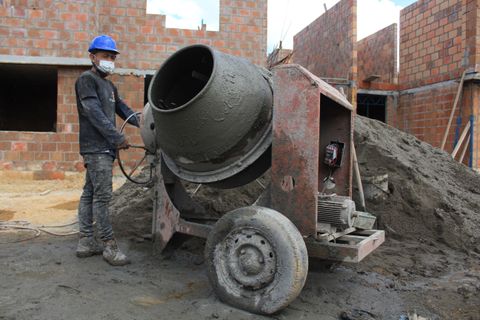
Cement Mixing Machines: Complete Guide to Basics, Techniques, Facts, Knowledge, and Best Practices
Updated: October 23, 2026
Read More