Garment Pressing Machines: Explore Overview, Basics, Explanation, Knowledge, and Key Details
Garment pressing machines are used in the textile and apparel industry to remove wrinkles, create defined creases, shape fabric and improve the final appearance of clothing. They apply a combination of heat, moisture, pressure and controlled drying to fabric or finished garments.
These machines are found in garment factories, textile processing units, tailoring workshops, commercial laundries and clothing finishing facilities. Depending on the garment and production requirement, operators may use a flat-bed steam press, a pneumatic garment pressing machine, a form finisher or an automated tunnel system.
Modern equipment combines steam generation, temperature controls, vacuum suction, compressed air and programmable operating cycles. These features help maintain consistent pressing conditions across different fabric types and garment designs.
What Is an Industrial Garment Pressing Machine?
An industrial garment pressing machine is equipment designed to apply controlled heat, pressure and moisture to fabric panels or completed garments. Its main purpose is to improve fabric appearance and help garments retain their intended shape.
Pressing is different from ordinary ironing. Ironing generally involves moving a heated iron across the fabric, whereas machine pressing often places the fabric between two shaped surfaces or uses a form that supports the entire garment.
The process is used at different stages of garment production:
Under-pressing: Pressing fabric sections during garment construction, such as seams and darts.
Intermediate pressing: Shaping garment components before final assembly.
Final pressing: Improving the appearance of completed clothing before packing.
Special-purpose pressing: Creating pleats, trouser creases, collars, cuffs and other defined shapes.
The correct method depends on fabric composition, garment construction, design and the required finish.
Basic Working Principle of Garment Pressing
Garment pressing uses four main elements: heat, moisture, pressure and drying. Each contributes to the shaping and finishing process.
Fabric positioning: The garment or fabric panel is placed on the lower pressing surface, commonly called the buck.
Heat application: The pressing head or heating element provides the required temperature.
Steam application: Steam introduces moisture and heat, helping relax fabric fibres and reduce wrinkles.
Pressure application: The upper head closes against the lower surface to shape the fabric.
Moisture removal: Vacuum suction or controlled airflow removes excess moisture.
Cooling and setting: The garment is allowed to cool so the pressed shape can stabilise.
Removal and inspection: The operator checks the finished garment for wrinkles, unwanted marks and uneven creases.
The temperature, steam quantity, pressure and pressing duration must be adjusted to suit the fabric. Excessive heat or pressure can cause shine, shrinkage, distortion or damage.
Main Components of a Garment Pressing Machine
An industrial steam pressing machine contains several mechanical and electrical components that work together.
Component | Main function |
|---|---|
Upper pressing head | Applies heat and pressure to the garment |
Lower buck | Supports the garment during pressing |
Steam generator or boiler | Produces steam for the pressing process |
Heating element | Maintains the required surface temperature |
Vacuum system | Removes moisture and helps cool the fabric |
Pneumatic cylinder | Controls movement of the pressing head in pneumatic models |
Control panel | Adjusts temperature, timing and operating settings |
Pressure regulator | Controls compressed-air pressure |
Steam valves | Regulate steam flow |
Padding and cover | Provide a suitable pressing surface and protect fabric |
Safety controls | Help prevent unsafe machine operation |
Machine configurations differ. Some models have an independent steam generator, while others connect to a central steam supply. Certain systems also include a compressed-air arrangement and a vacuum blower.
Types of Garment Pressing Machines
Different pressing machines are designed for particular garment shapes, production volumes and finishing requirements.
1. Flat-Bed Steam Pressing Machine
A flat-bed steam press has a lower padded surface and an upper pressing head. The garment is positioned between these surfaces, and the head closes to apply heat, steam and pressure.
Common applications include:
Shirts and trousers
Skirts and dresses
Fabric panels and seams
Uniforms and workwear
General garment finishing
The pressing surfaces may have different shapes and sizes depending on the garment type.
2. Pneumatic Garment Pressing Machine
A pneumatic garment pressing machine uses compressed air to operate the pressing head or other moving components. An air cylinder provides controlled movement and helps maintain a repeatable pressing cycle.
Typical features include:
Pneumatic head movement
Foot-pedal or push-button operation
Adjustable pressure settings
Steam and vacuum controls
Timed pressing cycles
Pneumatic systems are used in garment factories where repeated pressing operations are required. The compressed-air supply must match the machine manufacturer's specified pressure and air-quality requirements.
3. Automatic Garment Pressing Machine
An automatic garment pressing machine uses programmed controls to manage some or most of the pressing cycle. Depending on its design, it may automatically control head movement, steam release, vacuum operation and cycle timing.
Some systems include garment positioning arrangements or automated handling equipment. Automation can reduce repeated manual actions and help maintain consistent operating conditions.
4. Steam-Air Form Finisher
A steam-air finisher, also known as a form press or dolly press, uses an expandable form shaped approximately like the garment. The garment is placed over the form, and steam and air are passed through it.
The steam relaxes wrinkles, while air helps expand and support the garment. A drying stage helps remove moisture and stabilise the finish.
These machines are commonly used for T-shirts, dresses, shirts, nightwear and other garments that benefit from overall wrinkle removal rather than sharply defined creases.
5. Tunnel Finishing Machine
A tunnel finisher uses a conveyor or hanging-rail system to move garments through an enclosed chamber. Steam is applied to relax the fabric, followed by airflow that dries the garments.
Tunnel systems are useful when many garments need similar finishing treatment. They are used for selected knitted garments, synthetic fabrics and blended materials.
6. Special-Purpose Pressing Machines
These machines are designed for particular garment sections or finishing effects.
Examples include:
Collar and cuff presses
Sleeve seam presses
Trouser-topper machines
Trouser crease presses
Hem pressing machines
Pleating machines
Jacket and shoulder presses
Special-purpose equipment helps apply pressure to areas that may be difficult to finish consistently with a general flat-bed press.
Steam Press Machine for Garments: How It Works
A steam press machine for garments uses steam to relax fabric fibres and make wrinkles easier to remove. The process may also use mechanical pressure and vacuum suction to produce a smooth finish.
A typical steam pressing cycle follows these stages:
Steam preparation: A boiler or steam generator produces steam at the required operating condition.
Fabric placement: The garment is positioned on the padded lower buck.
Steam treatment: Steam passes through the pressing head, the lower buck or both, depending on the design.
Pressing: The head closes and applies controlled pressure.
Vacuum drying: Suction removes moisture from the garment and helps cool the fabric.
Release: The pressing head opens and the garment is removed.
Some machines use steam only, while others combine steam, heated surfaces and vacuum. The operator must follow the machine instructions and fabric-care requirements.
Important Technologies Used in Modern Pressing Equipment
Garment pressing equipment has developed through improvements in heating, steam distribution, pneumatic controls and automation.
Digital Temperature Control
Digital controllers help maintain a selected pressing temperature. This is important because cotton, wool, polyester, nylon and blended fabrics respond differently to heat.
Programmable Pressing Cycles
Programmable controls allow operators to set steam duration, pressing time, vacuum operation and other cycle parameters. Saved settings can help maintain consistency when the same garment type is processed repeatedly.
Vacuum Suction Systems
Vacuum systems draw air through the lower buck or pressing table. They help remove excess moisture and cool the garment after steaming.
Pneumatic Actuation
Pneumatic cylinders use compressed air to move pressing heads, clamps or other mechanical parts. Pressure regulators and control valves help manage movement and operating force.
Automatic Steam Distribution
Controlled steam valves regulate the flow of steam through the pressing surfaces. Some systems use separate steam channels for different garment areas.
Conveyor and Tunnel Automation
Automated rails and conveyors move garments through a sequence of steaming and drying stages. This arrangement is useful in larger garment finishing operations.
Energy and Water Management
Modern systems may include insulated steam lines, automatic standby settings, condensate management and controlled steam release. These features can reduce unnecessary energy and water use when properly configured.
Applications Across the Garment and Textile Industry
Garment pressing machines are used at different stages of clothing production and finishing.
Industry or garment category | Common pressing applications |
|---|---|
Shirt manufacturing | Collar, cuff, sleeve and body pressing |
Trouser manufacturing | Waistband shaping, crease formation and leg pressing |
Suit manufacturing | Jacket shaping, lapel pressing and shoulder finishing |
Uniform production | Consistent finishing of shirts, trousers and jackets |
Knitwear production | Wrinkle removal and garment shaping |
Fashion manufacturing | Pleats, seams and design-specific finishing |
Commercial laundries | Finishing shirts, trousers, uniforms and other clothing |
Textile processing | Pressing and finishing selected fabric panels |
The equipment must be matched to the garment. A form finisher may be suitable for overall shaping, while a specialised trouser press is more appropriate for producing a defined crease.
Factors to Consider When Selecting a Garment Pressing Machine
Choosing an industrial garment pressing machine requires an understanding of production needs, garment design and fabric characteristics.
Garment type: Identify whether the equipment will handle shirts, trousers, jackets, dresses, knitwear or several categories.
Fabric composition: Consider cotton, wool, polyester, synthetic blends and delicate materials.
Pressing area: Check the dimensions and shape of the buck and pressing head.
Steam arrangement: Determine whether the machine needs an independent steam generator or a central steam supply.
Pneumatic requirements: Confirm the required air pressure, airflow and compressor capacity for pneumatic equipment.
Vacuum capability: Check whether suction is required for moisture removal and cooling.
Automation level: Decide whether manual, semi-automatic or automatic operation suits the production process.
Production capacity: Compare the machine's cycle time with the required number of garments per shift.
Control system: Review temperature regulation, timers, pressure controls and available programme settings.
Safety features: Check emergency stops, protective guards, steam controls and pressure-relief arrangements.
It is useful to conduct trials with representative garments before finalising a machine configuration. This can reveal fabric marks, uneven pressing, unwanted creases or problems with garment positioning.
Recent Developments and Industry Trends
Garment finishing equipment is increasingly designed around production consistency, reduced manual handling and improved process control.
Greater automation: Programmable pressing cycles and automatic head movement help standardise repeated operations.
Improved digital controls: Electronic temperature and timing controls allow more precise adjustment for different fabrics.
Flexible pressing systems: Interchangeable bucks and specialised pressing heads support different garment shapes.
Integrated finishing lines: Tunnel finishers and automated garment-handling systems can connect steaming, drying and finishing operations.
Compressed-air efficiency: Better pneumatic controls and leak monitoring can help reduce unnecessary air consumption.
Energy-conscious steam systems: Insulation, controlled steam release and improved condensate handling can help reduce energy losses.
Data-based production monitoring: Some modern systems can record cycle settings and operating information for process review.
The appropriate technology depends on production scale, garment variety, fabric requirements and the level of automation needed. Not every factory requires a fully automated system.
Laws, Regulations and Safety Requirements in India
Garment pressing equipment may involve heated surfaces, steam, electrical power, compressed air and pressure vessels. Factories should identify the legal requirements that apply to their premises and equipment.
Factories Act, 1948
The Factories Act, 1948 includes provisions concerning worker safety, machinery and pressure plant. Section 31 addresses pressure plant operated above atmospheric pressure and requires effective measures to ensure that safe working pressure is not exceeded.
State Factory Rules
State factory rules contain additional requirements relating to pressure vessels, inspection, testing and safety arrangements. Applicable provisions should be checked for the state where the garment facility operates. The relevant requirements can depend on the equipment's design and operating conditions.
Boiler and Steam-System Requirements
Where a garment pressing installation uses a steam boiler, the applicable Indian boiler legislation, rules and inspection requirements must be checked. A steam generator and a regulated boiler may fall under different requirements depending on their design and classification. The equipment documentation and competent authority should be consulted.
Electrical Safety
Electrical connections, earthing, control panels and protective devices should follow applicable Indian electrical safety requirements. Installation and maintenance should be performed by appropriately qualified personnel.
Workplace Safety Practices
Factories should provide suitable training and operating procedures for workers who handle heated pressing surfaces, steam lines and pneumatic equipment. Safety arrangements should address burns, electrical hazards, pressure-related risks and moving machine parts.
Best Practices for Operating Garment Pressing Machines
Correct operation helps maintain garment quality, reduce fabric damage and improve workplace safety.
Before Operation
Check the machine's steam, electrical and compressed-air connections.
Inspect hoses, valves, pressure gauges and safety controls.
Confirm that the pressing surface and padding are clean.
Select temperature and steam settings suitable for the fabric.
Check that the vacuum system and condensate drainage are functioning correctly.
During Operation
Position garments correctly on the pressing buck.
Avoid excessive temperature, steam or pressure.
Use suitable protective equipment when handling hot surfaces.
Keep hands clear of moving pressing heads.
Follow the recommended pressing cycle for each fabric category.
Avoid leaving a heated press unattended while it is operating.
Maintenance Practices
Clean pressing surfaces and replace worn padding when required.
Inspect steam hoses, valves and connections for leakage.
Check pneumatic cylinders and compressed-air connections.
Clean filters and vacuum passages according to the maintenance schedule.
Examine electrical connections and safety switches.
Maintain records of inspections, repairs and operator training.
Tools and Resources for Garment Pressing Operations
The following resources can help operators and production managers manage pressing activities.
Tool or resource | Purpose |
|---|---|
Digital temperature controller | Maintains selected pressing temperature |
Steam pressure gauge | Monitors steam-system pressure |
Compressed-air regulator | Controls pneumatic operating pressure |
Vacuum gauge | Monitors suction performance |
Fabric testing samples | Helps assess pressing settings |
Timer and cycle controller | Regulates steam, pressure and drying duration |
Maintenance checklist | Supports routine equipment inspection |
Fabric-care labels | Provides garment-specific care information |
Production monitoring software | Records selected production and machine information |
For technical learning, the Directorate General of Training's Bharat Skills material includes lessons on garment pressing methods, steam presses, form finishers and tunnel finishers. The Bharat Skills portal is a useful educational resource.
Frequently Asked Questions
1. What is an industrial garment pressing machine used for?
It is used to remove wrinkles, shape garment components, create creases and improve the appearance of finished clothing. It is commonly used in apparel factories, textile units and commercial laundries.
2. What is the difference between a steam press and a pneumatic garment pressing machine?
A steam press uses steam and heated pressing surfaces to finish fabric. A pneumatic garment pressing machine uses compressed air to operate moving parts such as the pressing head. Some industrial machines combine both technologies.
3. How does an automatic garment pressing machine work?
It uses programmed controls to manage operations such as pressing-head movement, steam release, vacuum suction and cycle timing. The exact automation level depends on the machine design.
4. Which garments can be processed using an industrial steam pressing machine?
Depending on the machine configuration, it can process shirts, trousers, jackets, skirts, dresses, uniforms, knitwear and other garments. Special-purpose pressing heads may be needed for collars, cuffs, sleeves and trouser creases.
5. What safety precautions are important when operating a garment ironing press machine?
Operators should check steam and electrical connections, use suitable temperature settings, keep hands away from moving pressing surfaces, inspect pressure controls and follow the manufacturer's operating instructions. Regular maintenance and operator training are also important.
Conclusion
Garment pressing machines play an important role in clothing manufacturing and textile finishing. They use heat, steam, pressure and drying to remove wrinkles, shape fabric and improve the appearance of garments.
Flat-bed steam presses, pneumatic machines, automatic pressing systems, form finishers and tunnel finishers support different garment types and production requirements. Digital controls, vacuum systems and automated handling have made modern equipment more consistent and adaptable.
Selecting the right industrial garment pressing machine requires consideration of fabric type, garment design, production capacity, steam arrangements, pneumatic requirements and safety features. Proper operating procedures, regular maintenance and compliance with applicable Indian regulations help maintain reliable and safe garment finishing operations.
Disclaimer: This article is intended for general educational and informational purposes only. Machine specifications, operating procedures and regulatory requirements may vary according to equipment design and location. Consult qualified technical professionals and relevant authorities before installing or operating industrial pressing equipment. This content does not provide guarantees and is not intended to sell or promote any product, brand or organisation.

Related Post...
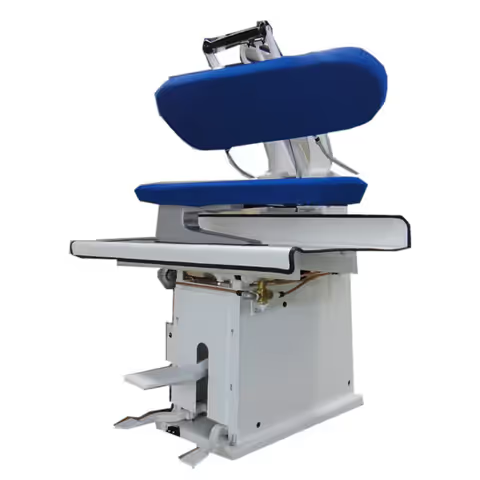
Garment Pressing Machines: Explore Overview, Basics, Explanation, Knowledge, and Key Details
Updated: November 20, 2026
Read More
Tea Leaf Plucking Machines: Explore Overview, Basics, Explanation, Knowledge, and Key Details
Updated: November 20, 2026
Read More
Paddy Thresher Machines: Discover Information, Facts, Tips, Resources, and Expert Advice
Updated: November 20, 2026
Read More