Rice Milling Machines: Complete Guide to Basics, Technologies, Processes, Facts, and Best Practices
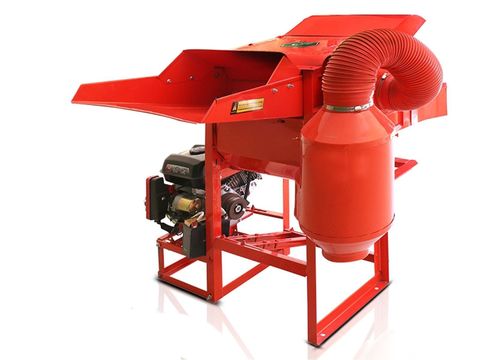
A rice milling machine is agricultural processing equipment designed to remove the husk and bran from paddy to produce milled rice. Paddy consists of an outer husk, a bran layer, a germ and the edible inner grain. Milling separates these layers while aiming to minimise grain breakage.
A basic rice milling machine may perform husking and whitening, while a complete rice mill uses multiple machines to clean, separate, polish and grade the grains.
The main objective is to produce clean rice with consistent grain size, acceptable appearance and minimal breakage. The required processing level depends on the rice variety, intended use and quality specifications.
Basic Rice Milling Process
Rice milling generally follows a sequence of operations. The exact arrangement depends on plant capacity, grain condition and equipment design.
Pre-cleaning: Removes straw, dust, leaves and other unwanted materials from incoming paddy.
De-stoning: Separates stones and other heavy particles that may damage processing equipment.
Paddy husking: Removes the outer husk using rubber-roll or another suitable hulling mechanism.
Paddy separation: Separates unhusked paddy from brown rice so that remaining paddy can pass through the huller again.
Rice whitening: Removes bran layers from brown rice through controlled abrasion or friction.
Rice polishing: Improves the surface finish of milled rice according to the required appearance.
Grading: Separates whole kernels, large broken grains and smaller fragments.
Final cleaning: Removes remaining impurities before storage or further processing.
The sequence may also include drying, colour sorting and additional quality checks in larger rice-processing plants.
Main Components of a Rice Milling Machine
A rice milling plant contains several components that work together to handle different stages of grain processing.
Component | Main function |
|---|---|
Feed hopper | Receives and directs paddy into the machine |
Elevator and conveyor | Moves grain between processing stages |
Pre-cleaner | Removes dust and larger impurities |
De-stoner | Separates stones from paddy |
Rice huller | Removes the outer husk |
Paddy separator | Recovers unhusked grains for reprocessing |
Rice whitener | Removes bran layers |
Rice polisher | Improves the surface finish |
Grader | Separates rice according to grain size |
Dust collection system | Collects husk dust and bran particles |
Control panel | Controls motors, settings and operating sequences |
Large facilities may also use sensors and automated controls to monitor grain flow, motor load and operating conditions.
Types of Rice Milling Machines
Rice milling equipment is available in different configurations according to processing capacity, operating requirements and automation level.
1. Mini Rice Milling Machine
A mini rice milling machine is designed for small-scale processing, local agricultural use and limited-volume operations. It generally combines multiple functions in a compact structure.
Common characteristics include:
Compact installation requirements
Simple operating arrangements
Suitable capacity for small batches
Basic husking and whitening functions
Relatively straightforward maintenance
These machines may be suitable for small agricultural processing centres and local grain-processing operations.
2. Commercial Rice Milling Machine
A commercial rice milling machine is used by processors handling regular batches of paddy. It may include separate cleaning, husking, whitening and grading units.
These systems are selected according to daily throughput, rice variety, available space and finished-grain quality requirements.
3. Industrial Rice Milling Machine
An industrial rice milling machine is designed for larger processing facilities with continuous or high-volume operations. It commonly uses multiple machines connected through conveyors and elevators.
Typical features include:
Higher processing capacity
Multiple milling and grading stages
Centralised control arrangements
Integrated dust extraction systems
Connection with grain storage and packaging equipment
4. Automatic Rice Milling Machine
An automatic rice milling machine uses sensors, control panels and automated material-handling systems to coordinate processing stages.
Depending on its configuration, it can regulate feed rates, monitor machine conditions, control conveyors and reduce repeated manual adjustments.
5. Rice Hulling Machine
A rice hulling machine removes the hard outer husk from paddy. Rubber-roll hullers are widely used because they apply controlled pressure and shear to separate the husk from the grain.
The machine must be adjusted according to grain size, moisture condition and paddy variety to reduce unhulled grains and breakage.
6. Rice Polishing Machine
A rice polishing machine improves the surface finish of milled rice. It removes remaining fine bran particles or creates a more uniform appearance, depending on its design.
Polishing should be controlled carefully. Excessive processing can reduce grain weight, increase breakage and generate additional heat.
Technologies Used in Modern Rice Milling
Rice milling technology has developed from basic mechanical equipment into integrated processing systems.
Rubber-roll husking: Uses two rotating rolls to separate the husk while limiting damage to the grain. Roll pressure and speed difference influence husking performance.
Friction whitening: Removes bran through controlled friction between grains and machine surfaces. It is used in many conventional whitening systems.
Abrasive whitening: Uses abrasive surfaces to remove bran layers. The level of whitening depends on machine settings and the number of processing passes.
Optical colour sorting: Uses cameras, sensors and air ejectors to identify and remove discoloured or defective grains. This technology is generally installed after the main milling stages.
Automated process control: Electronic controls coordinate feeding, conveying, machine operation and monitoring.
Dust and bran collection: Extraction systems collect airborne particles and help maintain cleaner working conditions. Bran and husk can also be directed towards suitable secondary uses.
Applications of Rice Milling Machines
Rice milling machines are used in different agricultural and food-processing environments.
Agricultural processing centres: Convert harvested paddy into milled rice for local use and distribution.
Commercial rice mills: Process regular batches for wholesale and retail supply chains.
Large food-processing facilities: Handle high-volume grain processing through integrated equipment.
Farmer cooperatives: Support shared processing arrangements for groups of farmers.
Specialty rice processing: Handle different rice varieties that require specific milling and grading settings.
Institutional grain processing: Prepare rice for large-scale food distribution and procurement programmes.
The equipment configuration depends on the type of paddy, expected processing volume, available space and finished-rice requirements.
Factors to Consider When Selecting a Rice Milling Machine
Selecting suitable equipment requires evaluating the complete processing requirement rather than focusing only on the machine's stated capacity.
Processing capacity: Compare the rated tonnes per hour with the expected daily paddy volume.
Rice variety: Grain length, shape, moisture and variety influence husking and whitening settings.
Milling recovery: Review trial results showing whole-grain recovery, broken-grain percentage and husking efficiency.
Power requirements: Check motor ratings, electrical supply and energy consumption.
Automation level: Decide whether manual, semi-automatic or fully automated operation is appropriate.
Maintenance access: Check the availability of replacement rolls, screens, bearings, belts and other wear components.
Available space: Allow room for grain storage, elevators, dust collection, maintenance access and safe movement.
Testing and documentation: Review technical specifications, operating manuals, safety features and relevant test reports.
A practical evaluation should include a trial with the paddy variety expected to be processed. Rated capacity alone does not establish finished-rice quality.
Recent Developments and Industry Trends
Modern rice milling increasingly focuses on grain recovery, process monitoring, energy efficiency and consistent output.
Improved process monitoring: Sensors and digital control systems can help operators monitor grain flow, motor load, temperature and machine performance. These features can support more consistent operation when properly calibrated.
Advanced sorting systems: Optical colour sorters identify grains with visual differences and remove selected material using controlled air jets. They are useful where uniform appearance and product grading are important.
Energy-efficient equipment: Efficient motors, appropriate machine loading, improved conveying arrangements and regular maintenance can reduce unnecessary electricity use.
Automated plant management: Integrated control systems can coordinate conveyors, elevators and milling stages. Operators can use monitoring data to identify irregular machine loads and interruptions.
AI-supported process optimisation: Research into artificial intelligence and sensor-based monitoring is exploring ways to improve grain identification, processing decisions and machine adjustment. Practical results depend on reliable data, equipment integration and testing under actual mill conditions.
Indian Standards, Regulations and Quality Requirements
Rice mill operators in India should consider food safety, machinery specifications, workplace safety and local environmental requirements.
Relevant BIS standards
The Bureau of Indian Standards publishes specifications for different types of rice-processing equipment. Examples include:
Indian Standard | Equipment or subject |
|---|---|
IS 9555 | Rice polisher |
IS 10048 | Rice length grader |
IS 10507 | Paddy separator |
IS 11787 | Rubber-roll paddy dehusker |
IS 12396 | Paddy cleaners |
IS 12411 | Centrifugal-type paddy dehusker |
IS 12792 | Mini rice mill |
Operators should check the BIS catalogue for current editions, amendments and applicability before selecting equipment or preparing compliance documents.
Food safety requirements
The Food Safety and Standards Act, 2006 provides the main legal framework for food safety in India. Rice-processing businesses must follow applicable hygiene and food safety requirements and obtain the appropriate FSSAI registration or licence.
Relevant considerations include:
Maintaining clean processing and storage areas.
Preventing contamination from dust, pests and foreign materials.
Using suitable food-contact materials.
Maintaining appropriate records and traceability.
Following applicable standards for rice quality and labelling.
Fortified rice processing
Facilities involved in fortified rice production must follow applicable FSSAI fortification requirements and relevant government guidelines. These may include requirements for fortified kernels, blending ratios, quality checks and production records.
Workplace and environmental requirements
Rice mills should follow applicable state factory rules, electrical safety provisions, fire precautions and worker-safety requirements. Dust extraction, noise management and waste handling should also be addressed. Depending on the location and scale of operations, permissions from the relevant State Pollution Control Board may be required.
Regulatory requirements can vary according to the mill's size, location and processing activities.
Best Practices for Rice Milling Machine Operation
Good operating practices help protect grain quality, reduce avoidable downtime and maintain consistent processing.
Clean incoming paddy: Remove stones, straw and other impurities before the grain enters the huller.
Check moisture condition: Assess paddy moisture before processing because it influences husking, whitening and grain breakage.
Adjust the huller: Set rubber-roll pressure and speed difference according to the grain variety and size.
Monitor paddy separation: Check the quantity of unhusked paddy returning through the separator.
Control whitening and polishing: Avoid excessive processing, which can increase broken grains and reduce finished-rice recovery.
Inspect machine components: Check screens, bearings, belts, rolls and elevators at planned intervals.
Maintain dust extraction: Keep ventilation passages and dust collection equipment clear.
Record operating data: Track throughput, machine settings, downtime and milling recovery.
Follow maintenance safety: Train operators to use emergency stops and isolate electrical power before maintenance.
Store finished rice properly: Use clean, dry storage conditions that limit moisture exposure and contamination.
Tools and Resources for Rice Mill Operators
The following resources can help with machinery evaluation, compliance and staff training:
Bureau of Indian Standards (BIS): Provides information about Indian Standards for rice milling equipment and related machinery.
Food Safety and Standards Authority of India (FSSAI): Provides food safety regulations, licensing information and applicable rice standards.
Department of Food and Public Distribution: Provides information and operational guidance related to rice procurement and fortified rice processing.
Farm Machinery Training and Testing Institutes: Provide information about agricultural machinery testing, training and technical evaluation.
Energy audit records: Help operators monitor electricity consumption at individual processing stages and identify opportunities to improve efficiency.
Machine operating manuals: Provide equipment-specific guidance for installation, adjustments, lubrication and maintenance.
Frequently Asked Questions
1. What is the main function of a rice milling machine?
Its main function is to remove the outer husk and bran layers from paddy to produce milled rice. A complete rice mill may also clean, grade, polish and sort the finished grains.
2. What is the difference between a rice hulling machine and a rice polishing machine?
A rice hulling machine removes the hard outer husk from paddy. A rice polishing machine works on already dehusked and milled rice to improve its surface finish.
3. Is a mini rice milling machine suitable for small-scale operations?
Yes. A mini rice milling machine can suit small agricultural processing units and local operations with limited paddy volumes. Its suitability depends on processing capacity, grain recovery and the required output quality.
4. What is the difference between commercial and industrial rice milling machines?
Commercial systems generally handle regular processing batches, while industrial systems are designed for larger throughput. Industrial setups may use interconnected machines, automated controls and multiple grading stages.
5. How can grain breakage be reduced during rice milling?
Grain breakage can be reduced by managing paddy moisture, adjusting huller and whitener settings, avoiding excessive polishing, maintaining machine components and checking grain quality throughout the process.
Conclusion
Rice milling machines play an important role in converting harvested paddy into clean, graded and processed rice. Equipment ranges from mini rice milling machines for smaller operations to commercial and industrial systems with automated cleaning, hulling, whitening, polishing and grading stages.
Choosing suitable equipment requires attention to processing capacity, grain variety, milling recovery, power requirements, maintenance and applicable Indian standards. Regular inspection, appropriate machine adjustments and careful process monitoring can help maintain consistent output and reduce grain losses.
Disclaimer: This article is intended for general informational and educational purposes only. Machinery specifications, operating procedures and regulatory requirements may vary by model, location and application. Consult qualified machinery professionals and relevant authorities before making technical or operational decisions. No guarantees are made regarding machine performance or processing results. This content is not intended to sell or promote any product, brand or organisation.

Related Post...
Coconut Dehusking Machines: Explore Overview, Basics, Explanation, Knowledge, and Key Details
Updated: November 20, 2026
Read More
Rice Milling Machines: Complete Guide to Basics, Technologies, Processes, Facts, and Best Practices
Updated: November 20, 2026
Read More
X-Ray Inspection Machines: Explore Overview, Basics, Explanation, Knowledge, and Key Details
Updated: November 19, 2026
Read More