Paper Recycling Machines: Explore Overview, Basics, Explanation, Knowledge, and Key Details
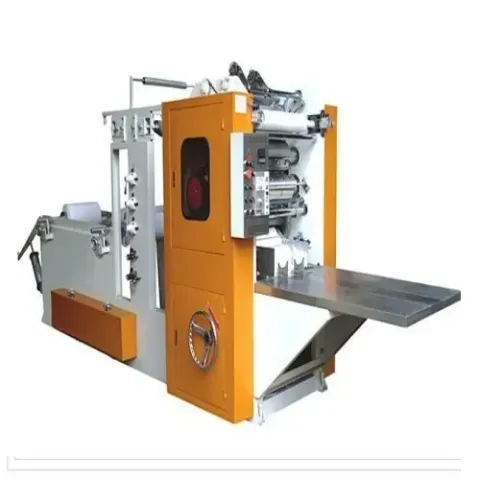
Paper recycling machines are industrial and commercial systems used to process recovered paper and convert it into usable fiber or recycled paper products. Depending on the system, the process can include sorting, shredding, pulping, screening, cleaning, de-inking, thickening, refining, and sheet formation.
The basic purpose is to recover useful cellulose fiber from discarded paper instead of sending suitable material directly for disposal.
The term paper recycling machines covers a wide range of equipment. A small paper shredder has a very different function from an integrated recycling plant capable of processing large quantities of recovered paper.
A typical recycling process can be represented as:
Collection → Sorting → Shredding → Pulping → Screening → Cleaning → De-inking → Refining → Sheet formation → Drying
Not every recycling facility uses every stage. The process depends on the type and quality of incoming paper and the characteristics of the recycled product being produced.
Why Paper Recycling Equipment Matters
Paper is a fiber-based material that can often be recovered and reused several times, although fiber quality gradually changes with repeated processing.
Recycling can help reduce the amount of recoverable paper entering mixed waste streams while providing secondary fiber for paper and board production.
A paper recycling machine can therefore be relevant to:
Paper mills
Recycling facilities
Printing operations
Packaging manufacturers
Commercial waste processors
Educational institutions
Offices
Material recovery facilities
Municipal waste-management systems
The effectiveness of recycling depends heavily on source segregation. Clean and correctly separated paper is generally easier to process than paper mixed with food waste, plastics, metals, chemicals, or other contaminants.
Main Types of Paper Recycling Machines
Different machines perform different functions within the recycling process.
| Equipment Type | Main Function | Typical Application |
|---|---|---|
| Paper shredding machine | Reduces paper size | Offices and recycling facilities |
| Bale breaker | Separates compressed paper bales | Industrial recycling |
| Pulping system | Separates fibers using water and mechanical action | Paper mills |
| Screening equipment | Removes oversized contaminants | Recycling plants |
| Cleaning equipment | Separates heavier contaminants | Pulp preparation |
| De-inking system | Removes inks and related contaminants | Recycled printing paper |
| Fiber washer | Cleans and thickens fiber | Pulp processing |
| Refiner | Modifies fiber characteristics | Paper production |
| Dewatering system | Removes water from pulp | Recycling plants |
| Sheet-forming equipment | Creates paper sheets | Paper manufacturing |
A waste paper recycling machine can refer to an individual machine or a larger combination of equipment designed specifically for recovered paper.
Likewise, waste paper recycling equipment can include conveyors, sorting systems, pulpers, pumps, screens, cleaners, presses, and control systems.
Understanding the Recycling Process
The first stage is usually collection and sorting. Paper is separated according to type and quality.
Common categories include:
Office paper
Newspapers
Corrugated cardboard
Mixed paper
Magazines
Packaging board
Printed paper
The sorted material can then be reduced in size or introduced into a pulping system.
During pulping, water and mechanical action separate paper fibers. Screening and cleaning remove unwanted materials.
Depending on the intended product, de-inking may be necessary. Ink, coatings, adhesives, plastics, staples, and other contaminants can affect the final recycled fiber.
The cleaned pulp can then be refined and prepared for sheet formation.
Industrial Paper Recycling Machine Systems
An industrial paper recycling machine is generally part of a larger process rather than a standalone device.
A high-throughput facility may contain:
Raw-material receiving
Sorting and storage
Bale handling
Pulping
Screening
Cleaning
De-inking
Fiber treatment
Water recovery
Sheet formation
Drying
Finishing and handling
The relationship between these machines is important. Increasing the capacity of one stage does not automatically increase the capacity of the entire facility.
For example, a high-capacity pulper can become a bottleneck if screening or dewatering equipment cannot process the same volume.
High-Capacity Paper Recycling Machines
A high capacity paper recycling machine is designed for larger material flows. Such systems may incorporate automated conveyors, continuous pulping, advanced screening, process monitoring, and water-management systems.
Capacity should not be evaluated solely through a manufacturer's headline figure.
Important parameters include:
Feedstock quality
Moisture content
Contamination levels
Fiber type
Operating hours
Recovery efficiency
Reject percentage
Water consumption
Energy requirements
Downstream capacity
A plant processing relatively clean office paper may have different operating characteristics from one processing mixed recovered paper or heavily printed packaging material.
Automatic Paper Recycling Machines and Automation
An automatic paper recycling machine can use sensors, programmable controls, conveyors, automatic dosing, and monitoring systems to reduce manual intervention.
Automation can support:
Consistent material feeding
Process monitoring
Automatic pump control
Water-level management
Contamination detection
Equipment alarms
Production data recording
Preventive maintenance
Energy monitoring
Modern recycling plants increasingly use digital control systems to monitor several stages from a centralized interface.
However, automation does not remove the need for trained personnel. Operators remain important for material inspection, equipment checks, maintenance, cleaning, safety, and troubleshooting.
Paper Recycling Technology and Resource Efficiency
Paper recycling technology is increasingly connected with resource efficiency.
Water management is particularly important because paper recycling uses substantial quantities of process water. Modern systems may incorporate water clarification, filtration, reuse, and closed-loop approaches.
The Central Pollution Control Board's guidance for pulp and paper industries includes specific measures for waste-paper and recycled-fiber facilities, including water and material balances for relevant zero-liquid-discharge operations, online monitoring, and wastewater-treatment requirements.
Other developments include:
Improved contaminant separation
More efficient screening
Better fiber recovery
Automated process controls
Reduced water losses
Energy monitoring
Advanced de-inking
Improved sludge handling
Digital process data
The objective is increasingly to recover more usable fiber while managing water, energy, and residual materials responsibly.
Recent Developments in India
Environmental policy has continued to evolve during 2025 and 2026.
In January 2026, the Ministry of Environment, Forest and Climate Change published the Solid Waste Management Rules, 2026, notified through S.O. 388(E) dated 27 January 2026.
The updated framework is relevant to paper recycling because segregation and recovery of recyclable materials are important parts of effective solid-waste management.
The government has also continued to emphasize circular-economy approaches. A recent Ministry annual report describes circular economy as a government focus and explains that market-based Extended Producer Responsibility mechanisms have been developed across several waste streams.
Paper-specific recycling does not operate under exactly the same EPR framework as plastic packaging or e-waste, so the applicable requirements depend on the material and activity involved.
Another important development was the Environment Protection (Extended Producer Responsibility for Packaging made from paper, glass and metal as well as sanitary products) Rules, 2024, published by the Ministry in December 2024.
These developments demonstrate the broader movement toward material recovery, resource efficiency, and circular production systems.
Laws and Policies Affecting Paper Recycling in India
Paper recycling facilities can be affected by several environmental and waste-management requirements.
Solid Waste Management Rules: The 2026 rules provide the current national framework for solid-waste management and are particularly relevant to segregation, collection, processing, and recovery of recyclable materials.
Environmental regulations: Industrial recycling facilities may need permissions and environmental controls depending on their scale, processes, location, emissions, wastewater, and waste streams.
Water and effluent management: Paper and pulp processing can generate wastewater containing suspended solids, organic matter, chemicals, and other contaminants. CPCB guidance identifies wastewater treatment, monitoring, water balances, and related controls for pulp and paper industries.
Hazardous and Other Wastes rules: Certain waste streams generated during industrial processing may fall under environmental rules governing hazardous or other wastes. CPCB documentation identifies paper waste as a recyclable resource within the broader waste-management framework.
Requirements can differ according to the facility and state. Operators should therefore verify current requirements with the relevant State Pollution Control Board and other authorities.
Tools and Useful Resources
Several tools can help when studying or planning paper recycling operations.
Material-flow calculator: Estimate incoming paper, recovered fiber, rejects, moisture, and final output.
Contamination assessment sheet: Record plastic, metal, food residue, coatings, adhesives, and other contaminants in incoming material.
Capacity calculator: Compare hourly feed requirements with pulper, screening, cleaning, dewatering, and sheet-forming capacity.
Water-balance worksheet: Track fresh-water intake, process-water circulation, treatment, reuse, and discharge.
Energy-monitoring spreadsheet: Record electricity consumption across shredders, pumps, refiners, conveyors, and other equipment.
CPCB resources: Useful for environmental guidance and pulp-and-paper-sector pollution-control information.
MoEFCC regulations: Useful for current environmental rules, notifications, and waste-management updates.
Practical Checklist for Evaluating Recycling Equipment
Before assessing a paper recycling system, it is useful to document the complete process.
Identify the types of paper entering the facility.
Measure average and peak material quantities.
Determine contamination levels.
Define the desired recycled-fiber output.
Review water requirements.
Assess energy consumption.
Determine the required level of automation.
Examine equipment compatibility.
Plan for reject and sludge management.
Check wastewater-treatment requirements.
Review workplace safety arrangements.
Verify applicable environmental permissions.
Consider maintenance and spare-parts requirements.
Evaluate the entire processing line rather than one machine.
This approach can provide a clearer understanding of how an individual machine fits into the complete recycling process.
Frequently Asked Questions
What is a paper recycling machine?
A paper recycling machine is equipment used to process recovered paper into usable fiber or recycled paper products. Different machines perform different stages such as shredding, pulping, screening, cleaning, de-inking, refining, or dewatering.
What is a paper shredding machine used for?
A paper shredding machine reduces paper into smaller pieces. This can make handling and subsequent processing easier, although industrial recycling systems generally require additional equipment beyond shredding.
What is the difference between paper recycling equipment and a complete recycling plant?
Paper recycling equipment can refer to an individual machine or a group of machines. A complete recycling plant combines multiple stages such as material handling, pulping, screening, cleaning, water management, and fiber processing.
Does all waste paper have the same recycling process?
No. Office paper, cardboard, newspapers, coated paper, and mixed paper can contain different fibers, inks, adhesives, coatings, and contaminants. Processing requirements therefore vary.
Are paper recycling facilities regulated in India?
Yes. Depending on the activity and facility, paper recycling can be affected by solid-waste, environmental, wastewater, industrial, and pollution-control requirements. The Solid Waste Management Rules, 2026 are part of India's current national waste-management framework.
Conclusion
Paper recycling machines form an important part of the infrastructure used to recover fiber from discarded paper. The technology ranges from relatively simple paper shredding machines to complex automated systems containing pulpers, screens, cleaners, de-inking equipment, refiners, dewatering units, and sheet-forming machinery.
The performance of a recycling system depends on more than machine capacity. Feedstock quality, contamination, water management, energy use, fiber recovery, process controls, and downstream equipment all influence the overall operation.
India's environmental framework is also moving toward stronger resource recovery and circular-economy practices. The Solid Waste Management Rules, 2026 and continuing government attention to circular economy provide an important policy context for recycling activities.
For anyone researching an industrial paper recycling machine, automatic paper recycling machine, or broader paper recycling equipment, the most useful approach is to understand the complete material flow and regulatory environment rather than focusing on a single machine specification.
Disclaimer: This article is provided for general informational and educational purposes only. It does not claim that any particular paper recycling machine, technology, manufacturer, equipment, process, or regulatory approach is suitable for a specific situation. The article is not intended to sell, promote, endorse, or recommend any product, equipment, company, or technology. Regulations, technical requirements, and environmental permissions can change and may vary by location and facility. Readers should verify current requirements with the appropriate government authorities and qualified technical or environmental professionals before making operational decisions.

Related Post...
3D Metal Printers: Explore Overview, Basics, Explanation, Knowledge, and Key Details
Updated: October 22, 2026
Read More
Cement Mixing Machines: Complete Guide to Basics, Techniques, Facts, Knowledge, and Best Practices
Updated: October 23, 2026
Read More
Laser Cutting Machines: Discover Information, Facts, Tips, Resources, and Expert Advice
Updated: October 23, 2026
Read More