Heat Transfer Printing Machines: Complete Guide to Basics, Technologies, Processes, Facts, and Best Practices
Heat transfer printing machines are used to apply printed designs, graphics, labels, and decorative elements to compatible materials through controlled heat and pressure. They are widely used in textile decoration, garment manufacturing, promotional products, and selected industrial applications.
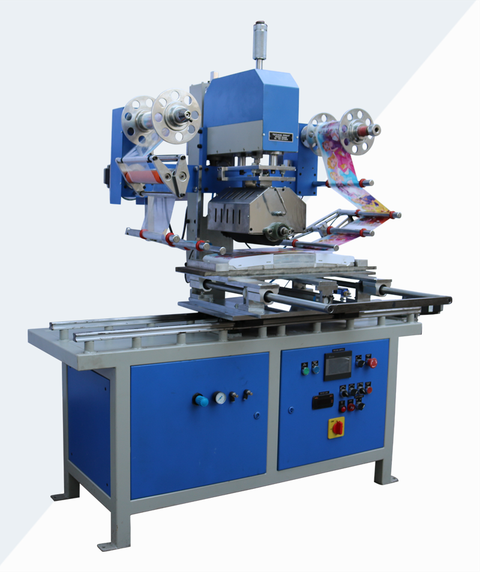
A heat transfer printing machine may use a flat heated platen, a curved heating element, or a heated roller system. The appropriate configuration depends on the product shape, transfer material, print area, and production requirements.
Modern heat transfer printing systems support several methods, including sublimation, heat-transfer vinyl, direct-to-film (DTF) transfers, and heat-applied labels. Each method has specific requirements for temperature, pressure, time, substrate compatibility, and transfer handling.
1. Overview of Heat Transfer Printing Machines
A heat transfer printing machine applies a design or transfer material to a substrate using a controlled combination of heat, pressure, and time.
The transfer may be printed onto paper or film before application, or it may be prepared as a cut design, label, or specialized transfer layer.
Main Characteristics
Applies graphics and designs to compatible materials
Supports textile and garment decoration
Uses adjustable temperature and dwell time
Provides controlled pressure during transfer
Available in manual, semi-automatic, and automatic configurations
Can be used with flat, curved, or continuous roll-fed materials
Common Applications
Heat transfer printing machines are used for:
T-shirts and sweatshirts
Sportswear and uniforms
Caps and bags
Textile labels and patches
Promotional products
Polyester fabric printing
Selected coated mugs, tiles, and metal panels
Decorative textile and garment components
2. Basics of Heat Transfer Printing Technology
Heat transfer printing involves transferring a design from a carrier or transfer material onto a compatible substrate.
The process generally requires three main conditions:
Temperature
Temperature activates the transfer ink, adhesive, or dye. The correct temperature depends on the transfer method and substrate.
Pressure
Pressure helps establish contact between the transfer and the receiving material. Too little pressure may cause incomplete transfer, while excessive pressure can leave marks or affect the fabric.
Dwell Time
Dwell time is the period during which heat and pressure are applied. It must be appropriate for the transfer material and substrate.
These three parameters work together. Changing one may require adjustments to the others.
3. Types of Heat Transfer Printing Machines
Industrial Heat Press Machine
An industrial heat press machine is designed for repeated production and controlled transfer application.
It may include:
Heavy-duty frame
Heated platen
Adjustable pressure mechanism
Digital temperature control
Programmable timer
Automatic opening or closing
Safety controls
Industrial presses may be used for garments, labels, patches, textile components, and selected coated products.
Textile Heat Transfer Machine
A textile heat transfer machine applies designs or transfer layers to fabric and textile products.
It may be configured as a flatbed press for cut fabric pieces or as a continuous system for roll-fed textiles.
Typical applications include sportswear, fashion garments, polyester fabrics, and textile decoration.
Garment Heat Press Machine
A garment heat press machine is used to apply transfers to clothing and apparel.
Common configurations include:
Clamshell press
Swing-away press
Drawer or slide-out press
Dual-platen press
Pneumatic press
These machines are used for T-shirts, jackets, uniforms, sleeves, and other garment areas.
Sublimation Heat Press Machine
A sublimation heat press machine transfers sublimation dye from printed transfer paper into a compatible polymer-coated or polyester-based substrate.
Sublimation is commonly used for polyester textiles and specially coated products.
The dye is heated so that it moves into the compatible substrate. The process does not work in the same way as adhesive-based transfer films.
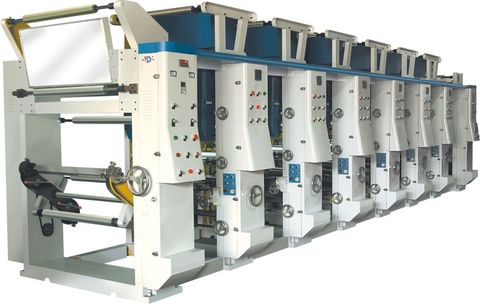
Roll to Roll Heat Transfer Machine
A roll to roll heat transfer machine processes continuous material from an input roll through a heated transfer system and onto an output roll.
Roll-to-roll equipment may use a heated drum or calender arrangement to transfer printed designs onto continuous fabric.
Typical applications include:
Polyester textile printing
Sportswear fabric
Flags and banners
Decorative textiles
Continuous fabric production
Digital Heat Transfer Printing System
A digital heat transfer printing system combines digital printing equipment with transfer application equipment.
The workflow may include:
Digital artwork preparation
Printing onto transfer paper or film
Ink drying or curing, where required
Transfer application using heat and pressure
Final inspection
Digital systems are useful when designs change frequently or when personalized graphics are required.
4. Common Heat Transfer Methods
Dye Sublimation
Sublimation uses heat to transfer dye from printed paper into a compatible polyester or polymer-coated surface.
It is commonly used for polyester garments, sportswear, flags, and coated promotional products.
Important considerations include:
Substrate compatibility
Transfer paper quality
Temperature uniformity
Pressing time
Color management
Prevention of unwanted dye migration
Heat Transfer Vinyl
Heat-transfer vinyl (HTV) is a colored or specialty film that is cut into a design and applied to fabric using a heat press.
The film usually includes a carrier layer and an adhesive or bonding layer.
HTV is commonly used for lettering, numbers, logos, and simple decorative graphics.
Direct-to-Film Transfer
Direct-to-film printing produces a design on a special film, which is prepared with a compatible adhesive powder and cured according to the system requirements.
The prepared transfer is then applied to the garment using a heat press.
DTF transfers can be used on several textile types, but compatibility and application conditions must be verified for each fabric and transfer system.
Heat-Applied Labels and Patches
Heat presses can apply compatible labels, patches, emblems, and decorative elements to garments.
The transfer may use an adhesive layer or another bonding structure designed for textile application.
5. Main Components of a Heat Transfer Printing Machine
| Component | Function |
|---|---|
| Heating platen or roller | Provides controlled heat |
| Lower platen or support | Holds the substrate during transfer |
| Pressure mechanism | Applies contact pressure |
| Temperature controller | Sets and monitors heat |
| Timer | Controls dwell time |
| Control panel | Provides machine settings |
| Transfer fixture | Positions the material |
| Safety mechanism | Helps protect the operator |
| Frame | Supports the machine structure |
Some industrial systems include pneumatic or hydraulic pressure, automatic opening, dual stations, or conveyor feeding.
6. Heat Transfer Printing Process: Step by Step
Step 1: Prepare the Artwork
Create the design according to the required dimensions, color configuration, and transfer method.
For cut vinyl, the artwork may need to be mirrored before cutting. For printed transfers, the correct color profile and image layout should be used.
Step 2: Prepare the Transfer
Print or cut the design using the appropriate transfer material.
Follow the transfer manufacturer's instructions for drying, curing, powder application, or film preparation.
Step 3: Prepare the Substrate
Place the garment or material flat on the lower platen.
Remove wrinkles, lint, and moisture where required. Ensure that seams, zippers, and thick areas do not interfere with even pressure.
Step 4: Set the Machine
Adjust the temperature, dwell time, and pressure according to the transfer and substrate instructions.
Step 5: Position the Transfer
Place the design in the correct location. Use alignment tools or heat-resistant tape when appropriate.
Step 6: Apply Heat and Pressure
Close the press and run the required cycle.
The machine applies heat and pressure for the specified dwell time.
Step 7: Remove the Transfer Carrier
Some transfers require hot peeling, warm peeling, or cold peeling. Follow the transfer manufacturer's instructions.
Step 8: Inspect the Finished Product
Check the design for complete adhesion, alignment, color quality, wrinkles, and surface marks.
7. Heat Transfer Printing Machine Specifications
Machine specifications help determine whether a press is suitable for a particular production task.
Platen Size
The platen size determines the maximum area that can be pressed in one cycle.
Common garment presses use rectangular platens, while specialized machines may have curved or shaped heating elements.
Temperature Range and Accuracy
The machine should provide a suitable temperature range for the intended transfer method.
Temperature accuracy and uniformity across the platen are important for consistent transfer results.
Pressure Adjustment
Pressure may be adjusted manually, pneumatically, or through another mechanical system.
The required pressure depends on the transfer material, substrate thickness, and platen size.
Dwell Time Control
A programmable timer controls the pressing duration. Automatic opening can help prevent excessive exposure after the cycle ends.
Automation Level
Machines may include manual operation, automatic opening, pneumatic closing, dual platens, or continuous roll-fed processing.
Production Capacity
Production capacity depends on the transfer area, cycle time, operator workflow, loading method, and cooling or peeling requirements.
8. Best Practices for Heat Transfer Printing
Follow Transfer Instructions
Do not assume that all transfer materials use the same temperature, pressure, or time.
Use the recommended settings for the specific transfer and substrate combination.
Check Temperature Uniformity
Uneven heating can cause incomplete transfer or inconsistent results.
Periodically verify platen temperature using suitable measurement equipment.
Use the Correct Pressure
Pressure should be appropriate for the transfer and material. Excessive pressure may leave platen marks or affect fabric texture.
Prepare the Fabric
Remove wrinkles and ensure that the pressing area is clean and dry.
Some materials may require pre-pressing or other preparation according to the transfer instructions.
Perform Test Presses
Before production, test the transfer on a sample of the actual material.
Check adhesion, color, surface appearance, and wash performance where relevant.
Maintain Consistent Positioning
Use alignment guides, garment templates, or fixtures to maintain repeatable placement.
Record Process Settings
Keep a record of the transfer type, substrate, temperature, pressure, dwell time, and peeling method.
These records help reproduce successful results.
9. Common Heat Transfer Printing Problems
Incomplete Transfer
Possible causes include insufficient heat, pressure, or time, or an incompatible substrate.
Transfer Peeling
Peeling may result from incorrect application conditions, unsuitable fabric, contamination, or an incorrect carrier removal method.
Fabric Scorching or Heat Marks
Excessive temperature or dwell time may damage sensitive fabrics or leave visible marks.
Color Changes
Some fabrics may change color when exposed to heat. Sublimation dye from other materials may also migrate into the printed design.
Uneven Printing
Uneven platen temperature, wrinkled material, or inconsistent pressure can cause uneven transfer.
Troubleshooting should begin with the transfer manufacturer's instructions and controlled testing of one process variable at a time.
10. Safety and Maintenance
Heat transfer printing machines use hot surfaces, pressure mechanisms, and electrical components.
Safety Practices
Keep hands away from the heated platen during operation
Use guards and safety features
Follow the machine operating manual
Keep the work area clear of combustible materials
Use suitable ventilation for transfer materials and adhesives
Handle hot garments and transfer sheets carefully
Disconnect power and allow the machine to cool before maintenance
Routine Maintenance
Inspect electrical cables and controls
Check pressure mechanisms
Clean platen surfaces using approved methods
Inspect pneumatic connections where applicable
Verify temperature and timer operation
Keep the machine free from adhesive residue
Maintenance should be carried out according to the equipment manufacturer's instructions.
11. Tools and Resources
Useful resources for heat transfer printing include:
Heat press operating manuals
Transfer film technical instructions
Sublimation paper and ink documentation
Fabric compatibility guides
Temperature measurement tools
Alignment templates
Heat-resistant tape and protective sheets
Artwork preparation software
Textile quality inspection tools
Technical guidance from heat press manufacturers and transfer material suppliers can help establish suitable application conditions.
12. Frequently Asked Questions
What is a heat transfer printing machine?
A heat transfer printing machine applies a design or transfer layer to a compatible substrate using controlled heat, pressure, and time.
What is an industrial heat press machine used for?
An industrial heat press machine is used for repeated transfer applications on garments, textiles, labels, patches, and selected promotional products.
What is the difference between a textile heat transfer machine and a garment heat press?
A garment heat press usually applies transfers to individual clothing items or fabric pieces. A textile heat transfer machine may also refer to equipment designed for continuous roll-fed fabric processing.
Which machine is used for sublimation printing?
Sublimation can use a flatbed heat press for individual items or a roll-to-roll calender for continuous polyester fabric.
What should be checked in heat transfer machine specifications?
Important specifications include platen size, temperature range, temperature uniformity, pressure adjustment, timer control, automation, and production capacity.
Conclusion
Heat transfer printing machines provide a flexible way to apply designs, labels, graphics, and decorative elements to compatible textiles and other substrates.
Industrial heat press machines, garment presses, sublimation presses, roll-to-roll systems, and digital heat transfer printing systems serve different production requirements.
Selecting suitable equipment requires consideration of the transfer method, substrate, print area, machine specifications, production volume, and process control. Proper preparation, accurate temperature and pressure settings, routine maintenance, and quality inspection help achieve consistent transfer results.
Disclaimer: This article is intended for general educational purposes. Machine specifications, transfer settings, substrate compatibility, and safety requirements vary by equipment and material. Always follow the machine manual and the transfer or fabric manufacturer's technical instructions.

Related Post...
Packaging Printing Machines: Explore Overview, Basics, Explanation, Knowledge, and Key Details
Updated: November 26, 2026
Read More
Extrusion Machine Brands: Explore Types, Features, Technologies, and Useful Resources
Updated: November 26, 2026
Read More