Rotogravure Printing Machines: Complete Guide to Basics, Technologies, Processes, Facts, and Best Practices
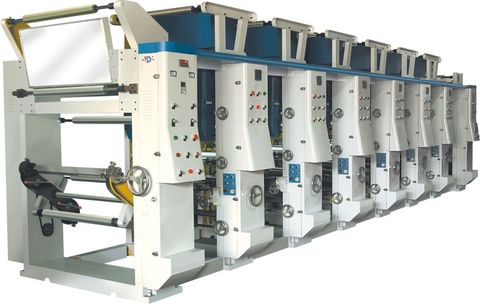
Rotogravure printing is an industrial printing process known for consistent image quality, detailed graphics, and high-volume production. It is widely used in flexible packaging, decorative materials, publication printing, labels, and printed paper products.
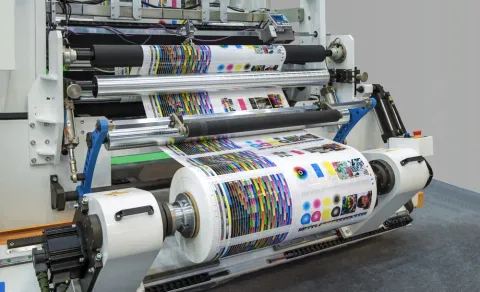
A rotogravure printing machine transfers ink from an engraved cylinder onto a moving web of material. The image is formed by thousands or millions of small recessed cells on the cylinder. Each cell carries a controlled amount of ink, helping create solid colors, fine details, and smooth tonal effects.
Modern gravure presses combine mechanical systems, electronic controls, drying technology, and automated web handling. Understanding these systems helps manufacturers, packaging converters, and printing professionals select suitable equipment and maintain reliable production.
Basics of Rotogravure Printing
What Is a Rotogravure Printing Machine?
A rotogravure printing machine is a rotary printing press that uses an engraved cylinder as its image carrier. It is also known as an industrial gravure printing machine or gravure press.
Unlike relief printing, where the image is raised, gravure printing uses recessed cells. These cells hold liquid ink and transfer it directly to the substrate when the material passes through the printing nip.
The process is particularly suitable for long production runs because engraved cylinders can maintain consistent printing performance when properly prepared and maintained.
How the Gravure Printing Process Works
The printing process generally follows these steps:
Unwinding: A roll of paper, plastic film, or foil is mounted on the unwind section.
Web guiding: Sensors and guiding rollers keep the moving material aligned.
Ink supply: The gravure cylinder receives ink from an ink pan or enclosed chamber.
Doctor blade wiping: A doctor blade removes excess ink from the cylinder surface, leaving ink inside the engraved cells.
Ink transfer: The substrate passes between the gravure cylinder and a rubber-covered impression roller.
Drying: Heated air or another controlled drying method removes ink carrier from the printed surface.
Color registration: Subsequent printing units apply additional colors in alignment with the previous print.
Rewinding: The printed web is collected into a finished roll for further processing.
Each color normally requires a separate printing unit and engraved cylinder.
Main Components of a Gravure Printing Machine
Gravure Cylinder
The gravure cylinder is the main image carrier. It is commonly constructed using a steel base with a copper engraving layer and a protective surface finish.
The image is formed by engraving small cells into the cylinder. Cell geometry, depth, shape, and distribution influence ink volume and tonal reproduction.
Doctor Blade Assembly
The doctor blade wipes surplus ink from the non-image areas of the cylinder. Its edge condition, alignment, pressure, and angle affect ink metering and print quality.
A damaged or incorrectly positioned blade may cause streaks, dirty printing, uneven density, or excessive wear.
Impression Roller
The impression roller presses the substrate against the engraved cylinder. Its rubber covering helps maintain contact and supports ink transfer.
Even pressure across the web width is important for consistent printing.
Ink Supply System
The ink system includes an ink pan or chamber, circulation pump, pipes, filters, and mixing arrangements. It supplies ink to the cylinder and helps maintain stable ink properties during production.
Drying System
Drying units remove solvent or water from the printed ink between color stations. Common systems use heated air, controlled airflow, and exhaust arrangements.
Proper drying prevents smearing, blocking, and unwanted ink transfer during winding.
Unwinding and Rewinding Units
The unwind section feeds the substrate into the press, while the rewind section collects the printed material.
Automatic tension control helps prevent wrinkles, stretching, loose winding, and register variation.
Types of Rotogravure Printing Machines
Industrial Gravure Printing Machine
An industrial gravure press is designed for continuous production across a range of substrates. It may include multiple printing stations, automatic register control, drying sections, and integrated web handling.
Flexible Packaging Gravure Press
A flexible packaging gravure press is commonly used for printing plastic films, paper, foil, and laminate structures.
Typical applications include snack wrappers, pouch films, sachets, food packaging, and household product packaging.
High-Speed Gravure Printing Machine
A high-speed gravure press is designed for rapid continuous web movement while maintaining print consistency.
Its key systems may include:
Servo-driven printing units
Automatic tension control
Electronic register correction
High-efficiency drying
Automatic roll changing
Centralized process monitoring
The achievable production speed depends on substrate characteristics, ink formulation, print coverage, drying capacity, and machine configuration.
Automatic Rotogravure Printing Machine
An automatic rotogravure printing machine uses electronic controls to reduce manual adjustments during production.
Automation may include automatic register correction, ink viscosity monitoring, web guiding, cylinder positioning, roll change control, and fault alerts.
Plastic Film Gravure Printing Machine
This machine is designed for substrates such as BOPP, PET, PE, and other flexible films.
Film printing requires careful control of surface treatment, tension, temperature, and ink adhesion. Thin films can stretch or wrinkle if web tension is not properly adjusted.
Roll-to-Roll Gravure Printing Machine
A roll-to-roll gravure printing machine feeds material continuously from an unwind roll and collects it on a rewind roll.
It is suitable for long web-based production and can be integrated with laminating, coating, slitting, or pouch-making equipment.
Technologies Used in Modern Gravure Presses
Electronic Line Shaft Technology
Electronic line shaft systems synchronize multiple printing units through electronic controls rather than relying only on mechanical transmission.
This helps coordinate cylinder rotation, web speed, and color registration.
Servo Drive Systems
Servo motors provide controlled motion for printing cylinders, unwinders, rewinders, and auxiliary systems.
They support accurate speed adjustment and coordinated operation during acceleration, deceleration, and roll changes.
Automatic Register Control
Register control detects printed marks and corrects the relative position of colors.
Accurate registration is important for fine text, multicolor graphics, and detailed packaging designs.
Digital Cylinder Engraving
Cylinder engraving systems use electronic data to create the required image cells. Common methods include electromechanical engraving and laser-based engraving.
Digital preparation helps maintain repeatable cylinder geometry and supports accurate artwork reproduction.
Ink Monitoring and Process Sensors
Sensors may monitor ink viscosity, temperature, web tension, dryer conditions, and machine speed.
The information can help operators identify process variation before it affects a large portion of the printed roll.
Applications of Rotogravure Printing
Rotogravure printing is used in several industrial sectors.
Flexible Packaging
Food wrappers and snack packaging
Beverage sachets and pouches
Detergent and household product packaging
Printed laminate films
Decorative packaging materials
Paper and Publication Printing
Magazines and catalogues
Wrapping paper
Decorative paper
Printed paper rolls
Specialty publications
Decorative and Industrial Materials
Decorative laminates
Furniture surface materials
Wallcoverings
Flooring patterns
Printed foil and specialty films
Important Machine Specifications
The specifications of a gravure press should match the substrate, artwork, production requirements, and downstream converting process.
| Specification | What to Review |
|---|---|
| Printing width | Maximum substrate width |
| Printing speed | Rated speed and practical production speed |
| Number of colors | Number of printing units |
| Cylinder circumference | Repeat length and artwork layout |
| Substrate range | Film, paper, foil, or laminate compatibility |
| Register accuracy | Color alignment capability |
| Drying capacity | Ink drying requirements and airflow |
| Web tension range | Suitable tension for different materials |
| Automation | Register, viscosity, guiding, and roll change controls |
| Rewind capacity | Roll diameter and winding arrangement |
Rated speed should not be treated as the guaranteed production speed. Actual output depends on ink drying, material properties, print coverage, operator setup, and quality requirements.
Best Practices for Gravure Printing
Prepare the Cylinder Correctly
Inspect engraved cylinders before mounting. Check for surface damage, contamination, wear, and correct cylinder identification.
Store cylinders in suitable protective conditions to prevent damage during handling.
Maintain Doctor Blade Condition
Use a blade suitable for the ink and cylinder surface. Keep the blade holder aligned and inspect the edge regularly.
Avoid excessive blade pressure because it can increase wear and create unwanted marks.
Control Ink Properties
Maintain consistent ink viscosity, temperature, and circulation. Filter ink where appropriate to reduce particles that may damage the cylinder or affect printing.
Follow the ink manufacturer's technical instructions for dilution and handling.
Maintain Stable Web Tension
Use appropriate tension settings for each substrate. Excessive tension may stretch thin films, while insufficient tension can create wrinkles or unstable registration.
Monitor Drying Conditions
Adjust airflow, temperature, and exhaust according to ink and substrate requirements.
Overheating may deform heat-sensitive films, while inadequate drying can cause blocking or smearing during winding.
Check Color Registration
Inspect register marks and printed samples at regular intervals. Correct alignment issues promptly to reduce rejected material.
Keep Production Records
Record cylinder details, ink batches, substrate specifications, machine settings, and quality inspection results.
These records help repeat approved printing conditions during later production runs.
Safety and Environmental Considerations
Gravure printing may involve flammable solvents, heated dryers, rotating cylinders, and moving web systems.
Important precautions include:
Use suitable ventilation and exhaust systems.
Keep solvent containers closed when not in use.
Use electrical equipment appropriate for the hazardous area classification.
Install guards around rotating and nip points.
Follow lockout procedures before maintenance.
Keep ignition sources away from solvent handling areas.
Train operators in chemical handling and emergency procedures.
Monitor solvent vapour and dryer conditions according to applicable requirements.
Water-based ink systems may reduce dependence on organic solvents in suitable applications. However, ink selection must consider drying performance, adhesion, print quality, and compatibility with the substrate and lamination process.
Tools and Resources
Useful resources for learning about gravure printing include:
Cylinder engraving software: Used to prepare engraving data and cell patterns.
Color management systems: Help maintain consistent color reproduction.
Viscosity measurement tools: Used to monitor ink flow properties.
Web tension monitoring systems: Help control substrate movement.
Register inspection systems: Detect color alignment variation.
Dryer monitoring instruments: Measure temperature and airflow conditions.
CPCB resources: Provide information on plastic packaging regulations and environmental requirements in India.
BIS standards resources: Help identify relevant machinery safety and technical standards.
Frequently Asked Questions
What is the main advantage of a rotogravure printing machine?
Rotogravure printing can provide consistent image quality, smooth tonal reproduction, and reliable performance during long production runs.
Which materials can a gravure press print?
Depending on the machine configuration and ink system, gravure presses can print on plastic films, paper, foil, and flexible laminate materials.
What is the role of the doctor blade?
The doctor blade removes surplus ink from the cylinder surface, allowing ink to remain mainly inside the engraved cells before transfer.
Is a high-speed gravure press suitable for every substrate?
No. Production speed must match the material's tension limits, ink drying requirements, surface properties, and print design.
What should be checked before selecting a gravure press?
Review printing width, number of colors, repeat length, substrate range, drying capacity, automation, register control, and compatibility with downstream converting equipment.
Conclusion
Rotogravure printing machines are important in high-volume printing applications where consistent image quality and continuous web production are required. Their performance depends on the interaction of engraved cylinders, doctor blades, ink systems, impression rollers, drying units, and web handling controls.
Understanding machine types, technologies, specifications, and maintenance practices helps printing professionals make informed equipment decisions and maintain stable production. Careful process control, operator training, and appropriate safety measures remain essential for reliable gravure printing.
Disclaimer: This article is intended for general educational purposes. Machine specifications, operating procedures, and regulatory requirements vary by equipment, substrate, ink system, and location. Always follow the machine manufacturer's documentation and applicable regulations.

Related Post...
Extrusion Machine Brands: Explore Types, Features, Technologies, and Useful Resources
Updated: November 26, 2026
Read More