Laser Leather Cutting Machines: Explore Overview, Basics, Explanation, Knowledge, and Key Details
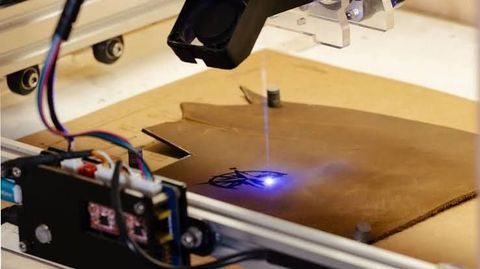
Laser leather cutting machines use a focused beam of light to cut shapes, engrave patterns, and mark designs on suitable leather materials. They are used in footwear, bags, wallets, upholstery, fashion accessories, and decorative products.
A laser cutter follows digital artwork to create precise contours and detailed designs. Compared with manual cutting, it can reproduce intricate shapes consistently and reduce the need for physical cutting dies in suitable applications.
However, not every leather or leather-like material is compatible with laser processing. Natural leather, polyurethane (PU) leather, microfiber leather, and coated synthetic materials can respond differently to heat. Material identification and sample testing are essential before production.
Basics of Laser Leather Cutting
What Is a Laser Leather Cutting Machine?
A laser leather cutting machine is a computer-controlled system that uses focused laser energy to cut or engrave compatible leather materials.
The machine typically includes a laser source, optical system, cutting head, motion system, worktable, exhaust arrangement, and control software.
The laser beam heats a small area of the material. During cutting, the energy separates the material along a programmed path. During engraving, it changes or removes a controlled surface layer to create a visible design.
How Laser Leather Cutting Works
The typical process includes these steps:
Artwork preparation: Create the required shape or pattern using vector design software.
Material identification: Confirm the leather type, thickness, tanning method, coatings, and backing.
Material positioning: Place the leather flat on the cutting table and secure it without stretching.
Focus adjustment: Set the laser focus according to the material and machine instructions.
Parameter selection: Adjust power, speed, frequency, and other available controls using approved test settings.
Cutting or engraving: The CNC system moves the laser head along the programmed path.
Inspection: Check edge quality, dimensions, surface appearance, and any smoke marks.
Finishing: Remove residue and inspect the final pieces before assembly.
The exact settings depend on the laser source, material composition, thickness, and desired result. A setting that works on one leather type may produce poor results on another.
Main Types of Laser Leather Cutting Machines
CO₂ Leather Cutting Machine
A CO₂ leather cutting machine uses a carbon dioxide gas laser, commonly operating at a wavelength near 10.6 micrometres.
CO₂ lasers are widely used for processing many non-metallic materials, including certain natural leather types and laser-compatible synthetic materials.
Typical applications include:
Cutting decorative leather shapes
Engraving logos and patterns
Creating intricate wallet and bag components
Cutting suitable leather sheets
Producing personalized leather accessories
Material compatibility must be confirmed before processing, particularly for synthetic leather and chemically treated hides.
Industrial Leather Laser Cutter
An industrial leather laser cutter is designed for regular production and may include a larger working area, higher laser output, automatic material handling, and advanced control systems.
Depending on its configuration, it may support:
Continuous or batch production
Camera-assisted pattern alignment
Automatic nesting
Multiple cutting heads
Conveyor-based material feeding
Integrated exhaust and filtration systems
Industrial systems are generally selected according to material range, production volume, required precision, and available workspace.
CNC Leather Laser Cutting Machine
A CNC leather laser cutting machine uses computer numerical control to guide the laser head along programmed paths.
The system can process complex contours, repeated patterns, holes, and decorative details. CNC control also helps reproduce designs across multiple pieces when the material and process remain consistent.
Automatic Leather Cutting Machine
An automatic leather cutting machine may use laser technology, a mechanical knife, or another cutting method. The term describes the level of automation rather than one specific cutting technology.
Automatic systems may include:
Camera-based hide or pattern recognition
Automatic nesting software
Conveyor feeding
Vacuum material holding
Automatic alignment
Digital production monitoring
For natural hides with irregular shapes and variable surface quality, camera-assisted digital cutting can help identify usable areas and improve material layout.
Leather Sheet Laser Cutting Machine
A leather sheet laser cutting machine is designed for flat leather pieces or sheet-based material.
It is commonly used for small and medium-sized components, decorative shapes, craft patterns, and detailed designs.
The working area should accommodate the largest sheet while allowing safe material placement and adequate exhaust flow.
Leather Laser Engraving Machine
A leather laser engraving machine creates surface designs rather than necessarily cutting completely through the material.
Common engraving applications include:
Decorative patterns
Initials and text
Logo designs
Texture effects
Serial or identification marks
Engraving depth and contrast depend on the leather finish, laser settings, and surface characteristics. Sample testing is needed to confirm the appearance.
Main Components of a Leather Laser Cutter
Laser Source
The laser source generates the beam used for cutting or engraving. Its output, wavelength, stability, and expected operating life affect machine capability.
CO₂ laser sources are commonly used for leather applications, although the suitable source depends on the exact material and process.
Optical System
The optical system directs the laser beam through mirrors and a focusing lens.
Clean optics and correct alignment are important for consistent energy delivery. Dust, smoke residue, or lens damage can reduce cutting quality.
Laser Cutting Head
The cutting head holds the focusing lens and may include an air-assist nozzle.
The nozzle directs airflow toward the cutting area to help remove smoke and residue. Appropriate airflow can improve edge appearance and reduce contamination.
CNC Motion System
The motion system moves the cutting head along the programmed X and Y axes. Some machines include additional axes or specialized head arrangements.
Accurate motion, stable frame construction, and correct belt or rail adjustment help maintain dimensional precision.
Worktable
The worktable supports the leather during cutting. Honeycomb or slatted tables are commonly used to allow airflow and reduce unwanted contact between the material and the table surface.
The leather should remain flat and stable during processing.
Exhaust and Filtration System
Laser cutting leather generates smoke, particles, and odours. A suitable exhaust system removes contaminants from the cutting enclosure.
The extraction arrangement must be designed for the actual material and machine. General-purpose room ventilation alone may not provide adequate control.
Technologies Used in Modern Leather Laser Cutting
Digital Vector Cutting
Vector cutting follows lines and curves defined in digital artwork. It is suitable for contours, holes, slots, and detailed shapes.
Raster Engraving
Raster engraving processes an image line by line. It is commonly used for photographs, shading, decorative textures, and filled patterns.
Camera-Assisted Positioning
Some machines use a camera to identify material edges, printed outlines, or reference marks.
This technology can help align designs with irregular leather shapes and reduce positioning errors.
Automatic Nesting
Nesting software arranges multiple shapes within a sheet or hide to improve material utilization.
For natural leather, nesting may also account for grain direction, visible defects, and differences in surface quality.
Air Assist
Air assist directs airflow near the laser cutting point. It helps remove smoke and may reduce surface staining and residue.
Airflow should follow the machine manufacturer's recommendations because excessive or insufficient flow can affect the result.
Applications of Laser Leather Cutting Machines
Footwear Manufacturing
Laser cutting may be used for suitable shoe upper components, decorative patterns, perforations, and design elements.
Bags and Wallets
Leather laser cutters can create wallet panels, bag components, card holders, belt patterns, and decorative details.
Fashion Accessories
Applications include key holders, bracelets, small leather ornaments, and personalized accessories.
Furniture and Upholstery
Laser systems may cut or engrave selected leather materials used in furniture panels, upholstery details, and decorative surfaces.
Automotive Interiors
Suitable leather and approved interior materials may be processed for decorative patterns, perforations, and trim components. Material compatibility and production specifications must be verified carefully.
Important Machine Specifications
| Specification | What to Check |
|---|---|
| Laser type | CO₂ or another compatible source |
| Laser output | Suitable for the material and thickness |
| Working area | Maximum sheet or component dimensions |
| Cutting speed | Practical speed for the intended design |
| Positioning accuracy | Ability to maintain required dimensions |
| Engraving resolution | Detail capability for surface designs |
| Material thickness | Confirmed processing range |
| Motion system | Stability and repeatability |
| Exhaust capacity | Suitable smoke and fume removal |
| Automation | Camera, feeding, nesting, and alignment features |
| Software | Supported file formats and design workflow |
Rated speed alone does not determine productivity. Intricate patterns, material variations, cutting quality, and inspection requirements can affect actual output.
Best Practices for Laser Leather Cutting
Identify the Material Before Cutting
Obtain reliable information about the leather's composition, tanning method, coatings, dyes, backing, and adhesives.
Do not rely only on the material's appearance or a general label such as “synthetic leather.”
Test a Representative Sample
Before processing a full sheet or hide, test a small sample from the same material batch.
Check the cut edge, surface colour, smoke marks, dimensional accuracy, and any changes to the material's texture.
Use Suitable Focus and Settings
Set the focal position and processing parameters according to the machine instructions and approved material tests.
Avoid assuming that one power and speed combination will work for all leather types.
Keep the Material Flat
Secure the leather without excessive stretching. Uneven material can cause inconsistent focus and inaccurate contours.
Maintain the Optics
Inspect mirrors, lenses, and the cutting head regularly. Clean them using the method recommended by the equipment manufacturer.
Inspect Finished Components
Check dimensions, edge quality, engraving contrast, and surface cleanliness. Natural leather may have variations in grain, colour, and thickness that require additional inspection.
Safety and Material Compatibility
Laser processing leather requires careful material screening because leather may contain tanning chemicals, dyes, coatings, adhesives, or synthetic backing layers.
Materials That Must Not Be Laser Cut
Do not laser-cut PVC, vinyl, or unidentified materials that may contain chlorine or other hazardous halogenated compounds. Certain chemically treated leathers may also release harmful contaminants during laser processing.
Research on airborne particles and chromium compounds released during laser cutting of leather highlights why the tanning process and chemical composition must be known before processing.
Use only materials approved by the laser manufacturer and confirmed suitable by the material supplier. When composition is uncertain, choose a non-laser cutting method.
Fire Prevention
Leather is combustible, and laser processing can create hot particles or flames.
Important precautions include:
Never leave the machine unattended during operation.
Keep the cutting bed clean and remove accumulated residue.
Maintain suitable fire detection and extinguishing equipment.
Keep combustible materials away from the machine.
Stop processing if unexpected flames or abnormal smoke appear.
Follow the manufacturer's emergency shutdown instructions.
Ventilation and Fume Extraction
Use an appropriate exhaust system to remove smoke and airborne contaminants from the cutting enclosure.
The exhaust system should be designed for the actual material and processing conditions. Filters must be selected and maintained according to the contaminants they are intended to capture.
Laser Protection
Use a properly enclosed laser system with functioning safety interlocks, protective covers, and emergency stop controls.
Never bypass interlocks or operate a machine with damaged protective components. Operators should receive training on the specific equipment and its safety procedures.
Tools and Resources
Useful resources for laser leather cutting include:
Vector design software: Creates cutting paths, holes, patterns, and contours.
Nesting software: Arranges components to improve material layout.
Camera positioning systems: Help align artwork with leather edges or reference marks.
Laser power and motion controls: Adjust the processing conditions according to approved material tests.
Air-assist systems: Help remove smoke and residue from the cutting area.
Exhaust monitoring: Helps confirm that smoke and contaminants are being properly removed.
Material documentation: Provides information about tanning, coatings, backing layers, and chemical composition.
BIS resources: Provide information about relevant Indian standards and machinery safety guidance.
Frequently Asked Questions
What type of laser is commonly used for leather cutting?
CO₂ lasers are commonly used for cutting and engraving suitable leather materials. The correct laser depends on the material's composition, thickness, finish, and intended result.
Can a laser leather cutting machine process synthetic leather?
Some laser-compatible synthetic materials can be processed, but compatibility must be confirmed. PVC, vinyl, and unidentified synthetic materials should not be laser cut.
What is the difference between laser cutting and laser engraving?
Laser cutting separates the material along a programmed path. Laser engraving changes or removes a surface layer to create a visible design or texture.
Is a CNC leather laser cutting machine suitable for intricate patterns?
Yes. CNC control can follow complex digital contours and repeat patterns accurately when the material is stable and the machine is properly configured.
What should be checked before selecting a leather laser cutter?
Review the laser type, working area, material compatibility, cutting thickness, motion accuracy, software, exhaust capacity, safety enclosure, and required automation.
Conclusion
Laser leather cutting machines combine focused laser energy with CNC motion control to create precise cuts and detailed surface designs. CO₂ laser systems are commonly used for compatible leather materials, while automatic feeding, camera positioning, and nesting technologies can support more organized production.
Selecting the correct machine requires careful consideration of leather composition, working dimensions, cutting requirements, and safety arrangements. Material identification, sample testing, regular maintenance, and effective exhaust control are essential for consistent results.
Disclaimer: This article is intended for general educational purposes. Machine capabilities and material compatibility vary by equipment and leather composition. Follow the machine manufacturer's instructions, obtain material safety information, and comply with applicable safety requirements before processing.

Related Post...
Extrusion Machine Brands: Explore Types, Features, Technologies, and Useful Resources
Updated: November 26, 2026
Read More
Laser Leather Cutting Machines: Explore Overview, Basics, Explanation, Knowledge, and Key Details
Updated: November 26, 2026
Read More