Plastic Injection Molding Machines: Explore Types, Features, Insights, Suggestions, and Useful Resources
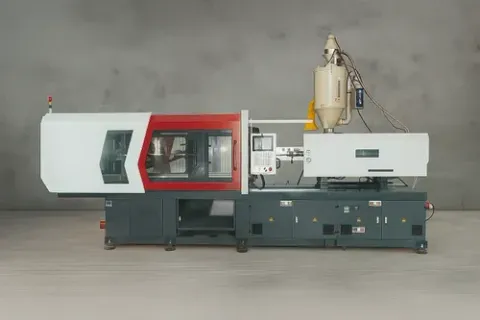
Plastic injection molding machines are industrial machines used to manufacture plastic components by heating plastic material until it becomes sufficiently fluid and then injecting it into a mold cavity. After the material cools and solidifies, the molded component is removed from the mold.
The basic process can be summarized as:
Plastic pellets → Heating → Plasticization → Injection → Mold filling → Cooling → Part removal
This technology is widely used because one molding cycle can produce a repeatable component with a defined shape and dimensional characteristics.
Products manufactured through injection molding can include automotive components, electrical housings, medical items, consumer products, packaging components, appliance parts, toys, industrial components, and many other molded articles.
A plastic injection molding machine normally consists of two major functional sections:
Injection unit
Clamping unit
The injection unit melts and injects the material, while the clamping unit holds the mold closed during injection and cooling.
Other important elements include the hydraulic or electric drive system, control panel, heating system, screw and barrel assembly, sensors, safety guards, and mold interface.
Why Injection Molding Matters Today
Injection molding is important because modern manufacturing requires repeatability, controlled production cycles, complex shapes, and increasingly precise components.
An industrial plastic injection molding machine can be integrated into automated production environments where material handling, mold changes, part removal, inspection, and packaging are coordinated.
The technology can help manufacturers address several production requirements:
Consistent component geometry
Repeatable molding cycles
Complex component shapes
High-volume production
Automated material handling
Reduced manual intervention
Integration with quality inspection
Multi-component molding
Controlled processing parameters
Injection molding is used across many industries, but the appropriate machine depends on the polymer, component geometry, mold design, required output, and dimensional requirements.
Main Types of Injection Molding Machines
Different machine configurations are designed for different production situations.
| Machine Type | Main Characteristic | Typical Application |
|---|---|---|
| Hydraulic machine | Hydraulic drive system | General industrial molding |
| Electric machine | Electric servo-driven operation | Precision and energy-conscious production |
| Hybrid machine | Combination of hydraulic and electric systems | Flexible industrial applications |
| Vertical machine | Vertical clamping arrangement | Inserts and specialized components |
| Two-color machine | Multiple material or color injection | Multi-color components |
| High-speed machine | Optimized for rapid cycles | Thin-wall and high-output applications |
| High-capacity machine | Large clamping and injection capability | Large molded components |
| Multi-material machine | Processes different materials | Complex component designs |
| Automatic machine | Integrated automated controls | Automated production lines |
The choice should be based on the complete manufacturing requirement rather than a single machine specification.
Automatic Plastic Injection Molding Machines
An automatic plastic injection molding machine uses programmed controls and sensors to manage many parts of the molding cycle.
Automation can coordinate:
Mold closing
Injection
Holding pressure
Cooling
Mold opening
Part ejection
Material feeding
Safety monitoring
Production data collection
Additional automation may include robotic part removal, conveyor systems, vision inspection, dryers, temperature controllers, and automated material handling.
Automation does not eliminate the need for skilled technical oversight. Operators and engineers still need to monitor material conditions, mold performance, machine parameters, safety systems, and product quality.
High-Speed and High-Capacity Machines
A high speed injection molding machine is designed around shorter production cycles and rapid machine movements. Such systems can be useful for products where cycle time is an important manufacturing parameter.
However, speed alone does not determine productivity. Cooling time, mold design, material properties, injection profile, part geometry, and quality requirements can all influence the practical cycle.
A high capacity injection molding machine is generally intended for larger components or applications requiring greater clamping force and injection capacity.
Machine capacity is commonly discussed using parameters such as:
Clamping force
Injection volume
Injection pressure
Screw diameter
Screw stroke
Mold dimensions
Maximum mold height
Minimum mold height
Maximum daylight
Ejection force
The required clamping force depends partly on projected part area and the pressure generated during filling.
Two-Color Injection Molding Machines
A two color injection molding machine can produce components containing two colors or, depending on the machine and process, two different compatible materials.
Common applications include:
Automotive interior components
Consumer products
Handles and grips
Buttons
Decorative components
Seals and overmolded parts
Multi-material products
Two-color molding can reduce the need for separate molding and assembly steps in suitable applications.
The mold itself is particularly important because it must coordinate the different injection stages and maintain appropriate alignment between the molded sections.
Vertical Injection Molding Machines
A vertical injection molding machine uses a vertically oriented clamping arrangement rather than the more familiar horizontal configuration.
Vertical machines can be useful for insert molding because an operator or automated system can position an insert in the mold before the plastic is injected.
Applications can include:
Electrical components
Metal inserts
Connector components
Small precision parts
Overmolded products
The appropriate configuration depends on the component design, insert-handling method, mold structure, and production workflow.
Electric Injection Molding Machines
An electric injection molding machine uses electric servo-driven systems rather than relying primarily on conventional hydraulic drive mechanisms.
Potential characteristics include:
Precise movement control
Repeatable positioning
Programmable motion profiles
Reduced hydraulic dependence
Potentially lower energy consumption in suitable applications
Lower hydraulic-fluid requirements
However, electric and hydraulic systems each have different engineering characteristics. Machine selection should consider the required force, speed, material, mold, operating environment, maintenance practices, and production cycle.
Important Plastic Injection Molding Equipment
A molding machine is only one part of a complete manufacturing cell.
Additional plastic injection molding equipment can include:
Material dryers
Hopper loaders
Granulators
Chillers
Mold-temperature controllers
Robots
Conveyors
Material blending systems
Vision inspection equipment
Hot-runner controllers
Cooling systems
Part separators
Process-monitoring systems
A simplified automated cell can be represented as:
Material storage → Drying → Feeding → Injection molding → Robot removal → Inspection → Conveying → Secondary processing
This broader view is important because equipment compatibility can affect overall production efficiency.
Recent Developments in India's Plastics Industry
India's plastics industry continued to emphasize automation, technology adoption, sustainability, and integration into global manufacturing chains during 2026.
At PLASTINDIA 2026, held at Bharat Mandapam in New Delhi, the Plastic Industry Status Report 2025 was released. The event highlighted technology adoption, waste minimization, sustainable manufacturing, and India's expanding role in global plastics value chains.
In August 2026, Plastindia Foundation representatives met the Department of Chemicals and Petrochemicals to discuss strengthening India's finished-plastics sector, global value-chain integration, cluster development, and workforce capabilities through CIPET centers.
These developments indicate a broader industry focus on modern processing technologies rather than treating molding equipment as an isolated machine category.
Automation, digital monitoring, robotics, material efficiency, and waste reduction are therefore increasingly relevant when evaluating modern molding operations.
Plastic Waste and Circular Manufacturing
Injection molding is closely connected with the wider discussion about plastic waste and recycling.
India's Plastic Waste Management framework places responsibilities on different participants in the plastic value chain. CPCB guidance explains that the Plastic Waste Management Rules apply to waste generators, local bodies, manufacturers, importers, producers, and brand owners.
For plastic packaging, Extended Producer Responsibility requirements include recycling targets and recycled-content obligations that change across specified financial years. CPCB's published guidelines, for example, set different recycling percentages for packaging categories for 2025–26 and 2026–27.
For molding operations, this creates an important distinction: the machine itself is not necessarily responsible for all EPR obligations. Requirements depend on the role of the particular organization in the plastic value chain and the products or packaging involved.
Manufacturing facilities should therefore identify their specific regulatory responsibilities rather than assuming that all plastic-processing businesses have identical obligations.
Laws, Standards, and Safety Requirements in India
Machine safety is an important consideration for injection molding because the equipment contains moving mechanisms, high temperatures, electrical systems, and significant mechanical forces.
India's Bureau of Indian Standards has included machinery for working rubber and plastics within the Machinery and Electrical Equipment Safety framework. BIS identifies IS 16819:2018 / ISO 12100:2010 as a general machinery-safety standard within this framework.
BIS also published an All India First Licence in November 2025 for an injection molding machine under this machinery category, referencing IS 16819:2018 / ISO 12100:2010.
BIS's machine-category guidance further states that injection molding machines should follow applicable requirements including IS/ISO 20430, while labeling and marking requirements apply under the relevant conformity framework.
The BIS compulsory-certification framework was updated during 2026 and includes machinery for working rubber and plastics within its Scheme X coverage.
The exact conformity requirements depend on the machine category, applicable notification, date of implementation, and other relevant conditions. Manufacturers and importers should therefore verify the current BIS requirements applicable to a specific machine before production or importation.
Tools and Useful Resources
Several resources can help when studying or planning an injection molding operation.
BIS Know Your Standard: The BIS portal allows users to search standards using an IS number or keyword and access related documents, amendments, laboratory information, and licensing details.
CPCB plastic-waste resources: CPCB provides information and guidelines concerning Plastic Waste Management Rules, EPR, plastic-waste processing, and environmental compliance.
PLASTINDIA resources: Industry information can help researchers follow developments in plastics processing, machinery, materials, and sustainability.
Machine-selection worksheet: Record clamping force, injection volume, screw diameter, mold dimensions, material, cycle time, and automation requirements.
Material-processing chart: Maintain recommended processing temperatures, drying requirements, residence-time limits, and other polymer-specific information based on authoritative material documentation.
Cycle-time calculator: A spreadsheet can estimate production output from cycle time, cavity count, operating hours, planned downtime, and quality requirements.
Practical Machine Selection Checklist
Before selecting a machine, examine the complete application.
Important questions include:
What plastic material will be processed?
What is the component's projected area?
What clamping force is required?
What injection volume is needed?
What mold dimensions are required?
Is insert molding involved?
Is two-color molding required?
Is high-speed production necessary?
Is an electric or hydraulic configuration more appropriate?
What auxiliary equipment is required?
What safety standards apply?
What environmental requirements apply?
How will scrap and plastic waste be handled?
Can the machine integrate with automation and inspection systems?
A machine should be evaluated as part of the complete production cell rather than as an independent piece of equipment.
Frequently Asked Questions
What is a plastic injection molding machine?
It is a machine that heats plastic material, injects it into a mold cavity under controlled conditions, allows it to cool, and then releases the molded component.
What is the difference between hydraulic and electric injection molding machines?
Hydraulic machines use hydraulic systems for major machine movements, while electric machines use electric servo-driven systems. Each has different characteristics relating to control, energy use, maintenance, speed, and application requirements.
What is a two color injection molding machine?
It is a machine configured to inject two colors or, in suitable applications, two compatible materials into a component. It is commonly used for multi-color or multi-material molded products.
What is a vertical injection molding machine used for?
Vertical machines are often useful for insert molding and specialized components where inserts need to be positioned in the mold before plastic injection.
Are injection molding machines subject to Indian safety requirements?
Yes. Machinery for working plastics is included within India's machinery-safety conformity framework, and applicable standards include IS 16819/ISO 12100 and, for injection molding machines, IS/ISO 20430. The exact requirements depend on the applicable BIS notifications and machine category.
Conclusion
Plastic injection molding machines are central to the production of a wide range of molded plastic components. Their configurations vary from conventional hydraulic systems to electric, vertical, high-speed, high-capacity, and two-color machines.
Modern plastic injection molding equipment is increasingly connected with automation, robotics, digital monitoring, material efficiency, and sustainability. India's plastics industry has also been emphasizing technology adoption and stronger integration with global value chains during 2026.
Machine selection should consider the plastic material, mold, component geometry, clamping requirements, injection capacity, cycle characteristics, safety requirements, auxiliary equipment, and environmental responsibilities.
Regulatory compliance is equally important. BIS requirements for machinery safety and CPCB requirements concerning plastic waste and packaging can affect different parts of the plastics manufacturing ecosystem.
Disclaimer: This article is provided for general informational and educational purposes only. It does not constitute engineering, legal, regulatory, financial, or technical advice. No specific performance, compliance, quality, or suitability claim is being made about any machine, manufacturer, equipment, material, or technology mentioned or discussed. Readers should verify current standards, regulations, technical specifications, and applicable requirements with the relevant authorities and qualified professionals. This article is not intended to sell, promote, endorse, or recommend any particular product, manufacturer, or equipment.

Related Post...
Cardboard Box Making Machines: Discover Information, Facts, Tips, Resources, and Expert Advice
Updated: October 24, 2026
Read More
Automatic Labeling Machines: Explore Types, Features, Insights, Suggestions, and Useful Resources
Updated: October 23, 2026
Read More
Paper Recycling Machines: Explore Overview, Basics, Explanation, Knowledge, and Key Details
Updated: October 23, 2026
Read More